Bibliothèque Picturale
Bibliothèque Picturale
16 masters · 280 works · 1842 → 1929
Current selection
Thirteen essential works
An editorial selection — one work per master, among the most emblematic of their corpus, as Maison Picturale would reinterpret them in a signed print at the Paris 20e studio.
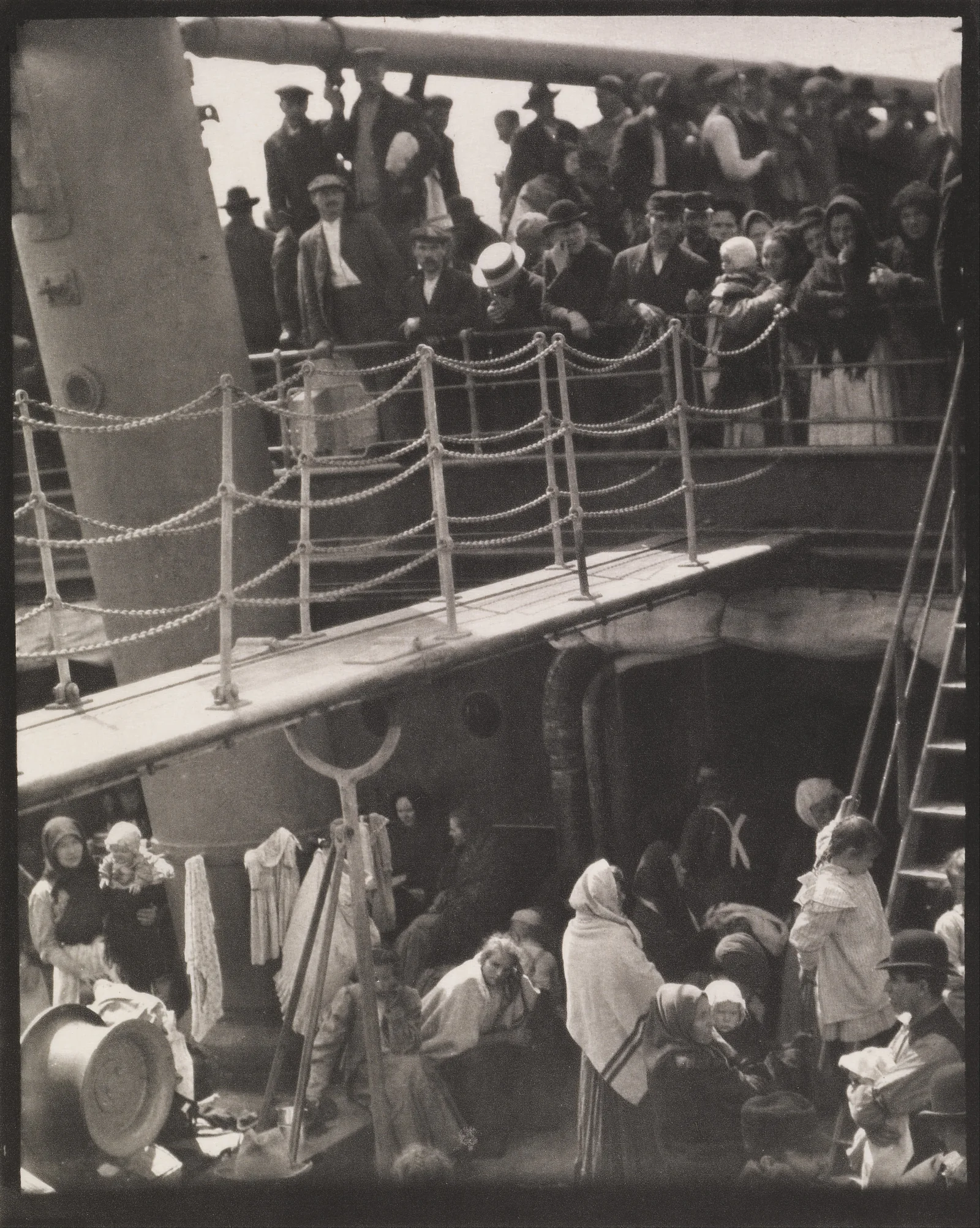
Alfred Stieglitz · 1907
The Steerage
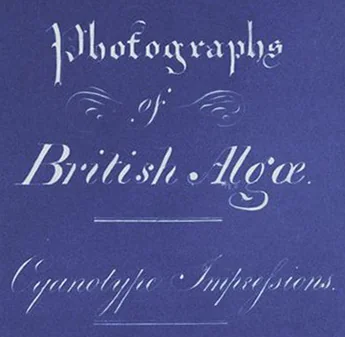
Anna Atkins · 1843
Title Page — Photographs of British Algae: Cyanotype Impressions
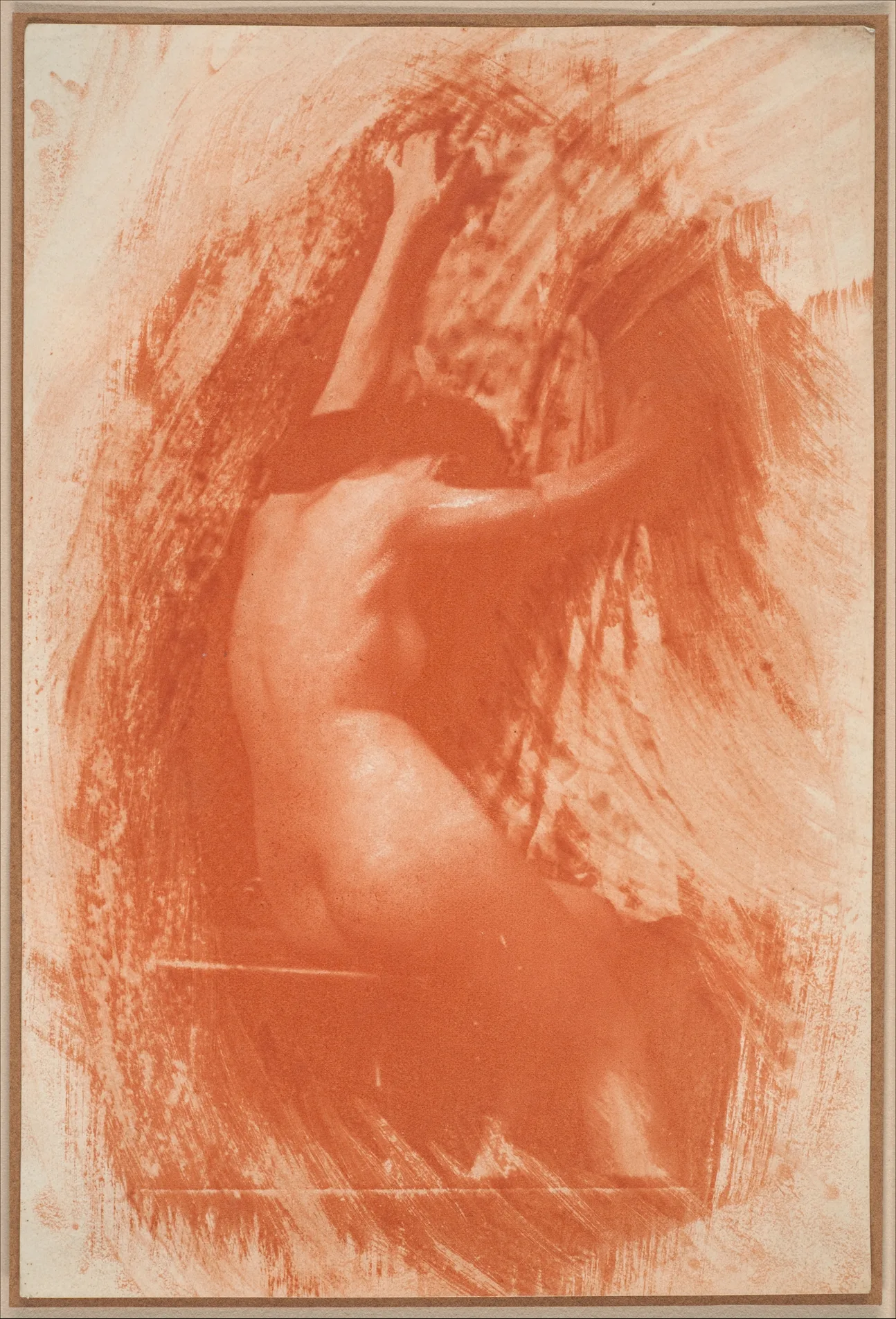
Robert Demachy · c. 1903 (publ. 1904)
Struggle
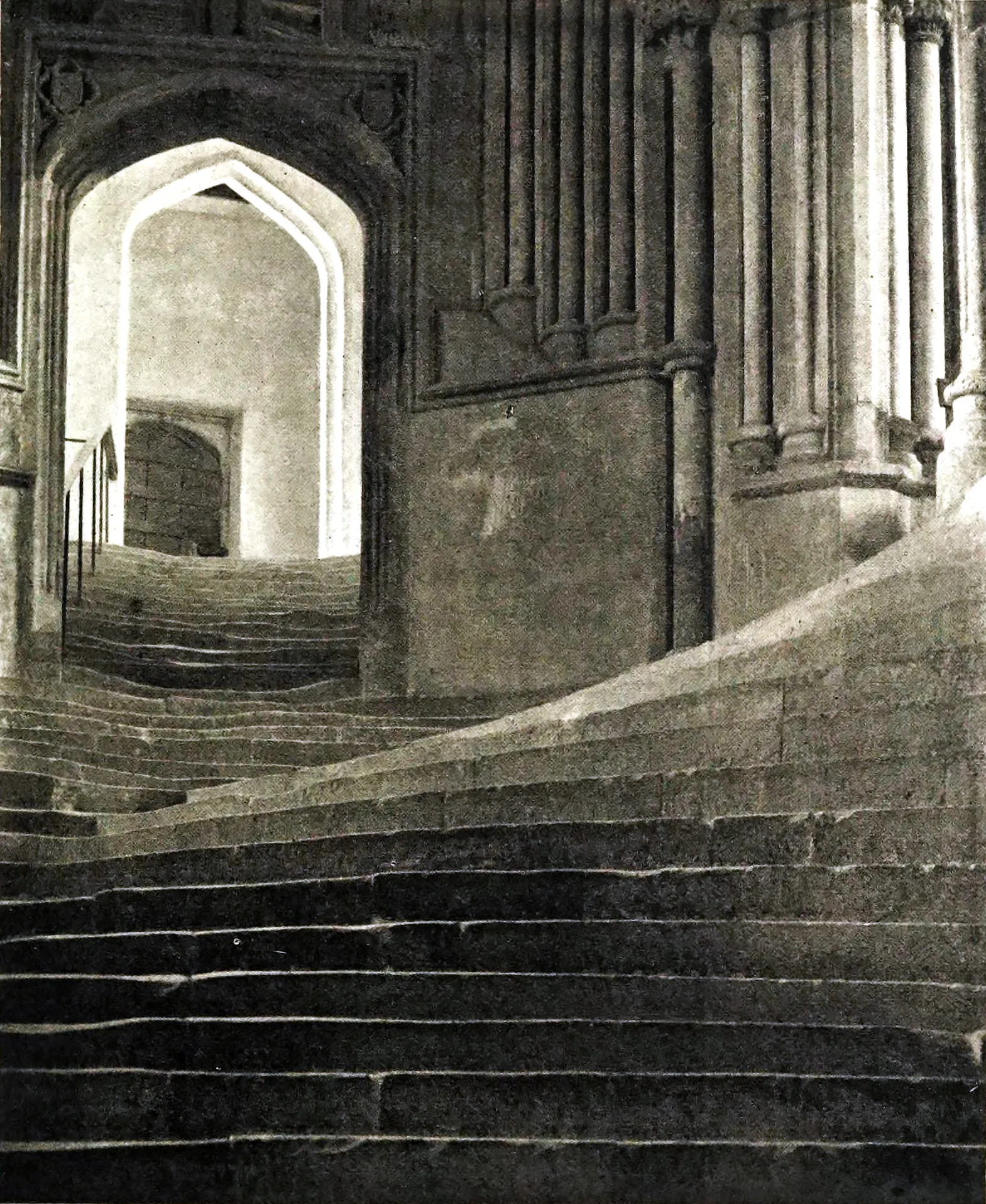
Frederick H. Evans · 1905
Sea of Steps, Wells Cathedral
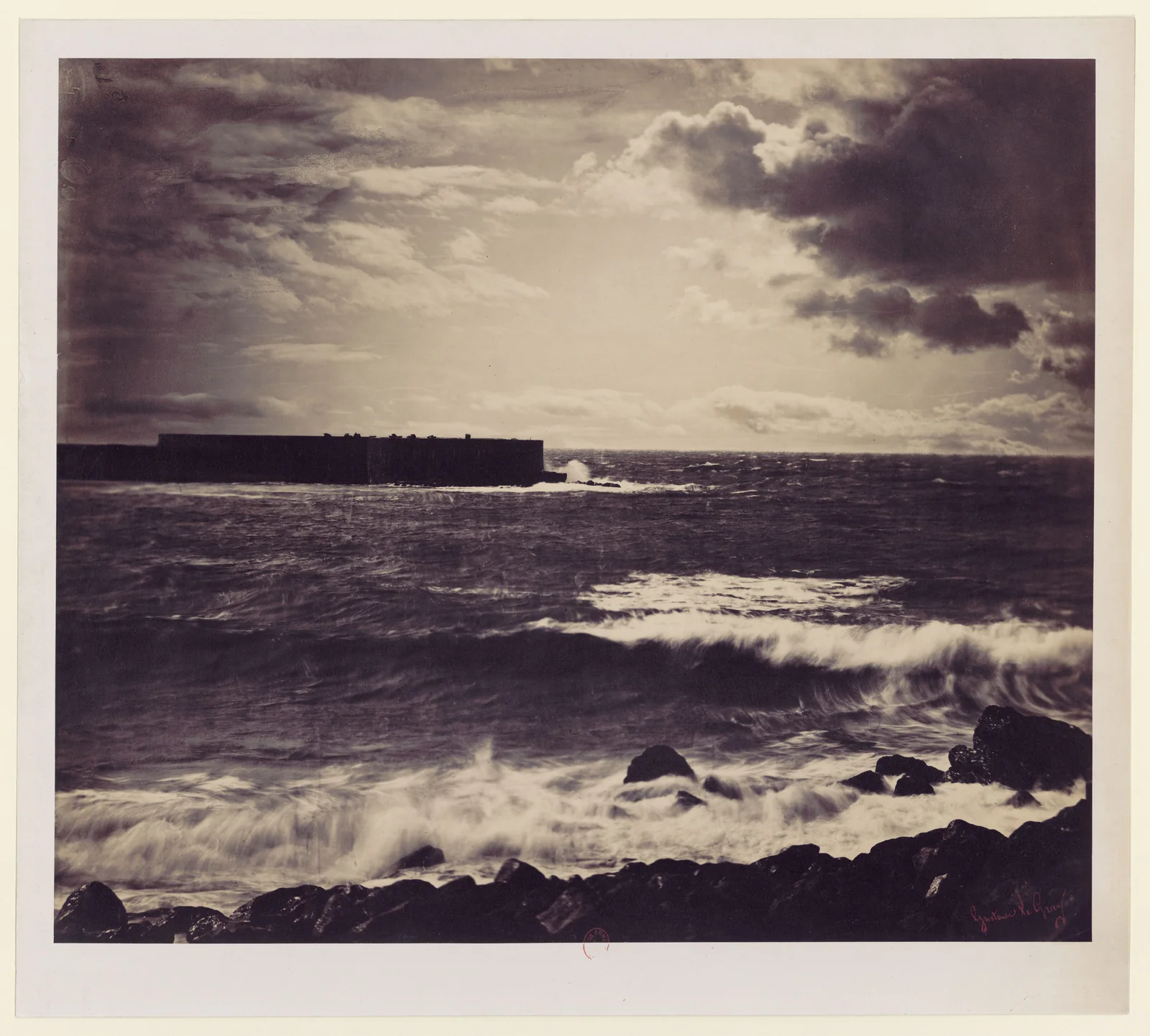
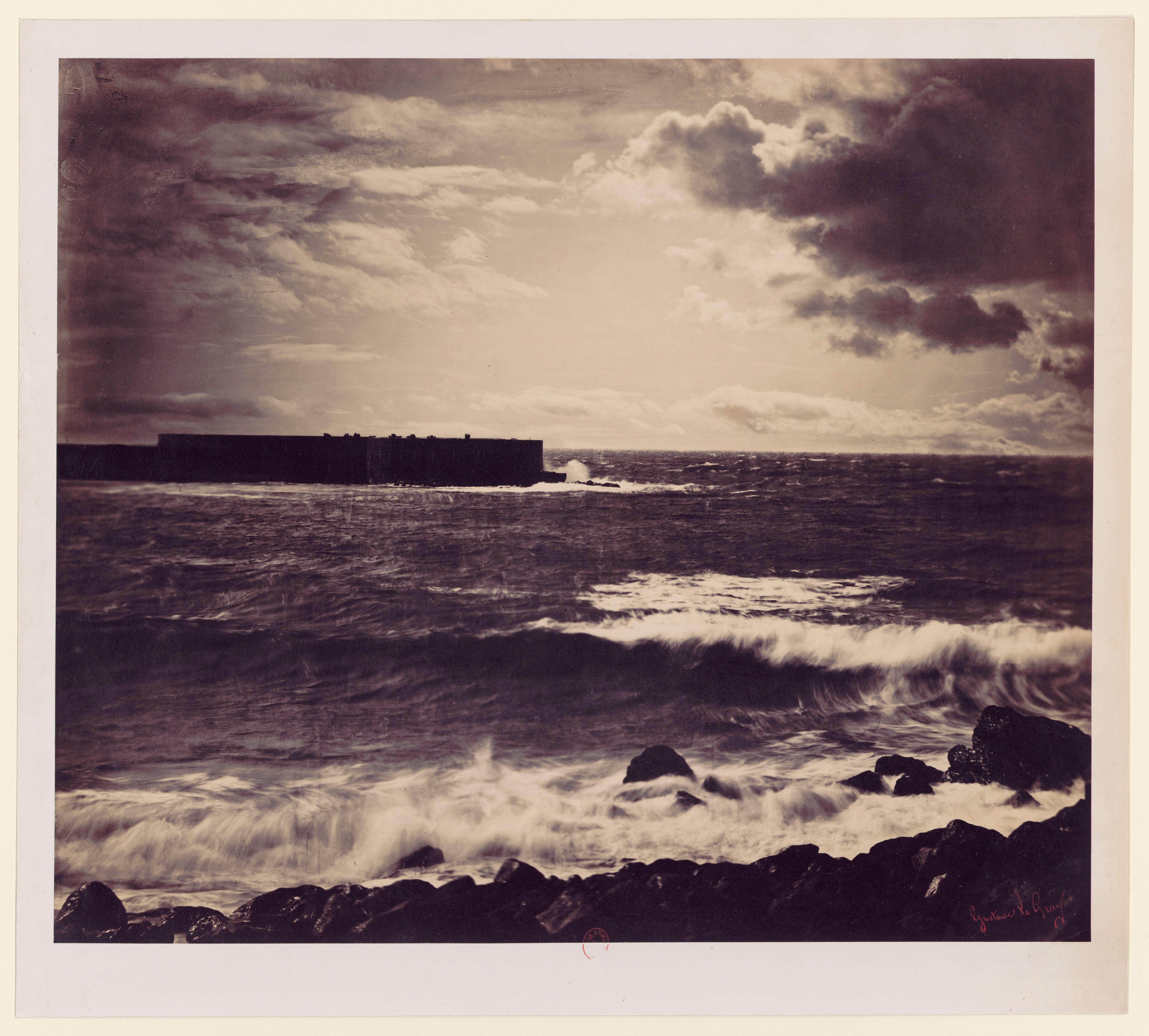
Gustave Le Gray · 1857
The Great Wave, Sète
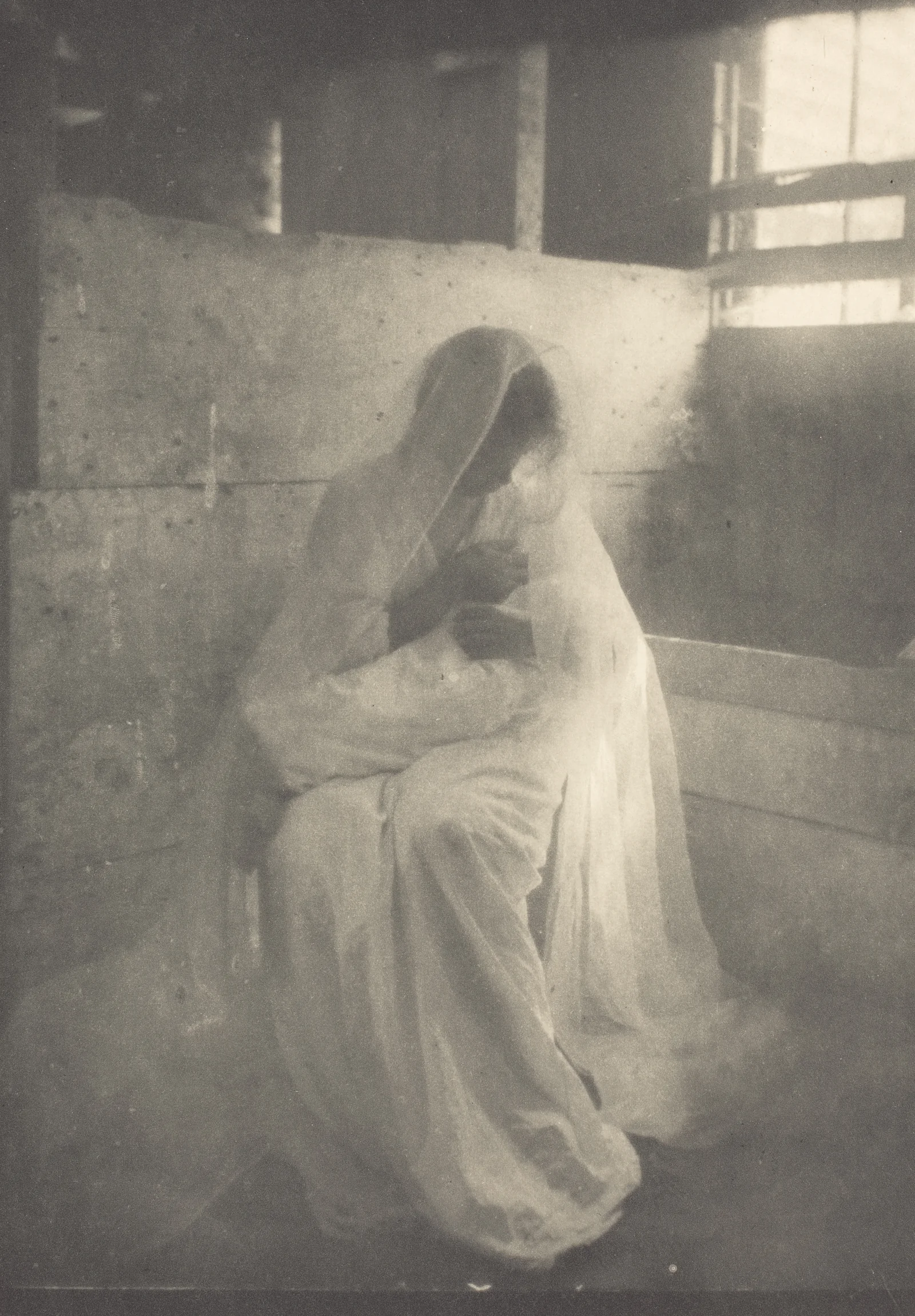
Gertrude Käsebier · c. 1899 (platinum print original; photogravure diffusion c. 1900 per NGA)
The Manger (Ideal Motherhood)
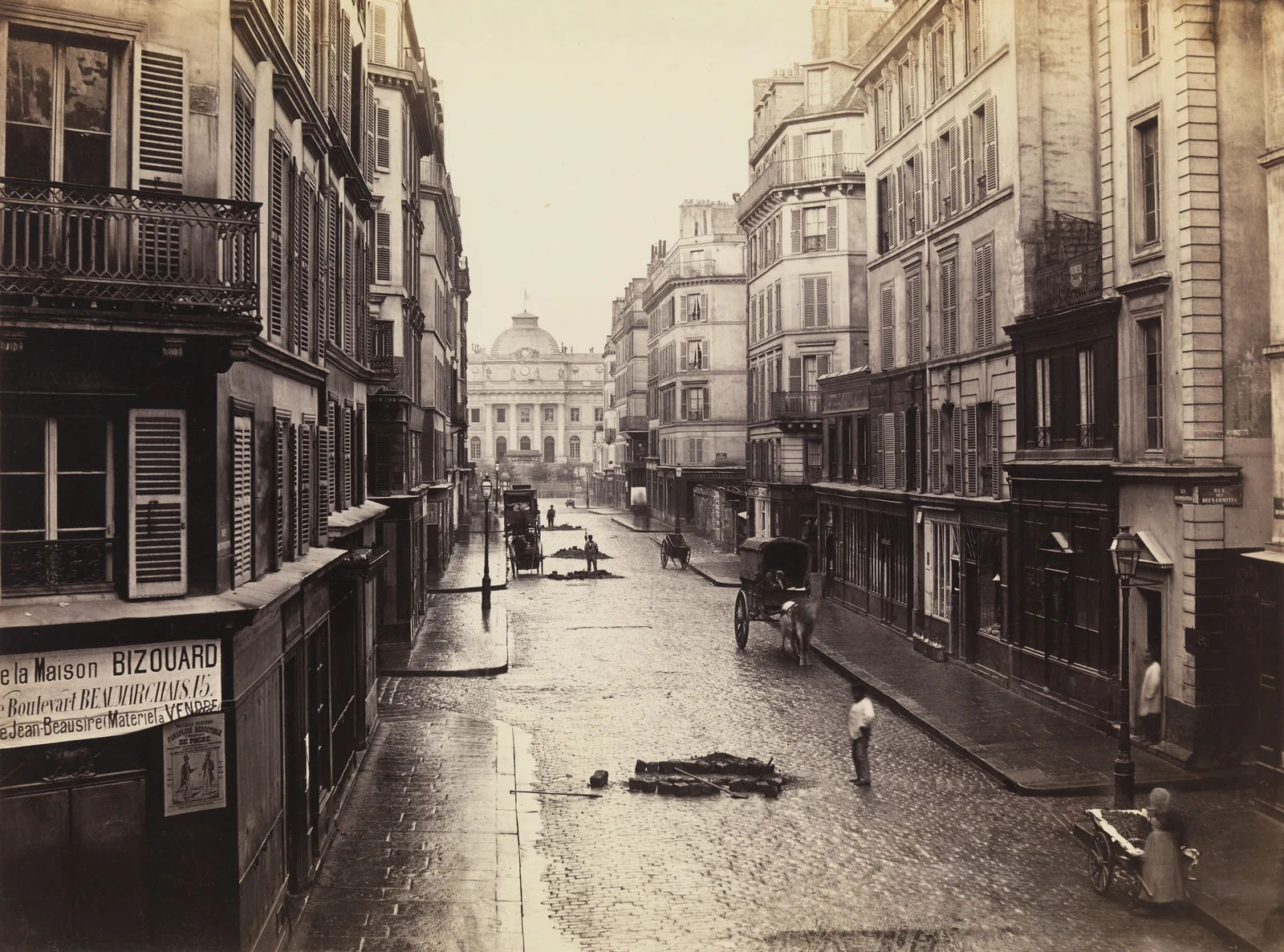
Charles Marville · c. 1855
Rue de Constantine, Paris
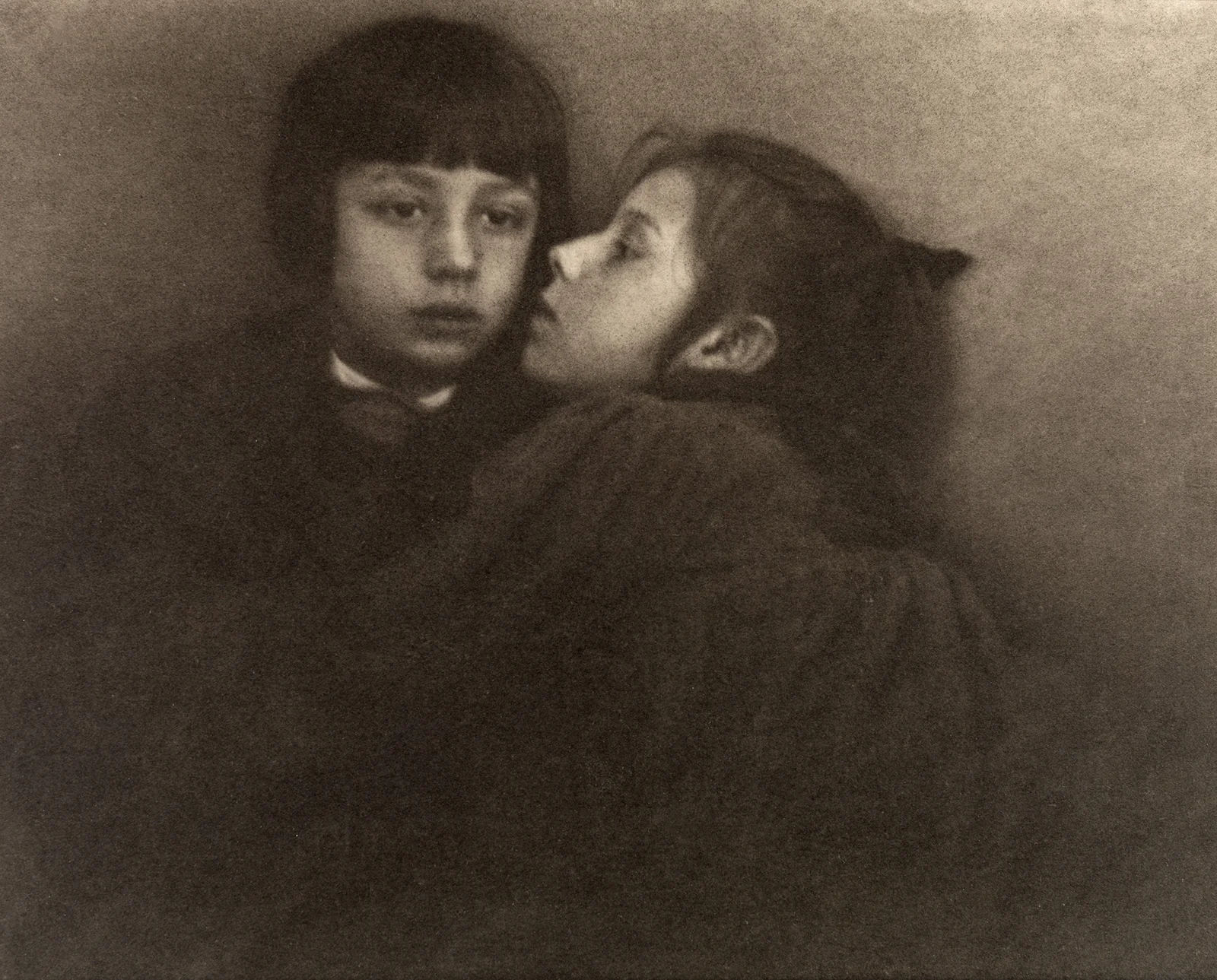
Heinrich Kühn · c. 1910-1911
Hans und Edeltrude
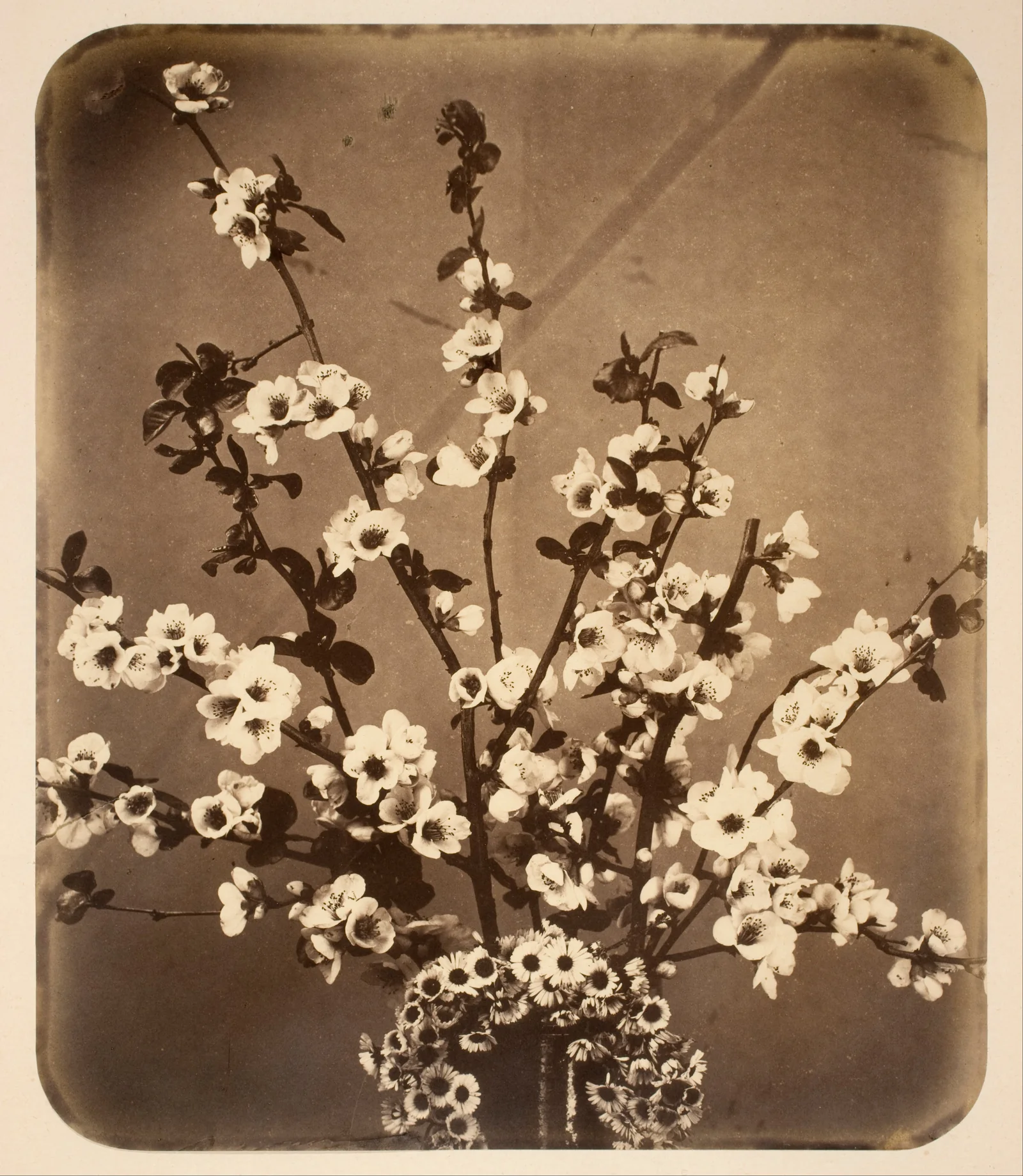
Adolphe Braun · c. 1852-1862
Floral Still Life
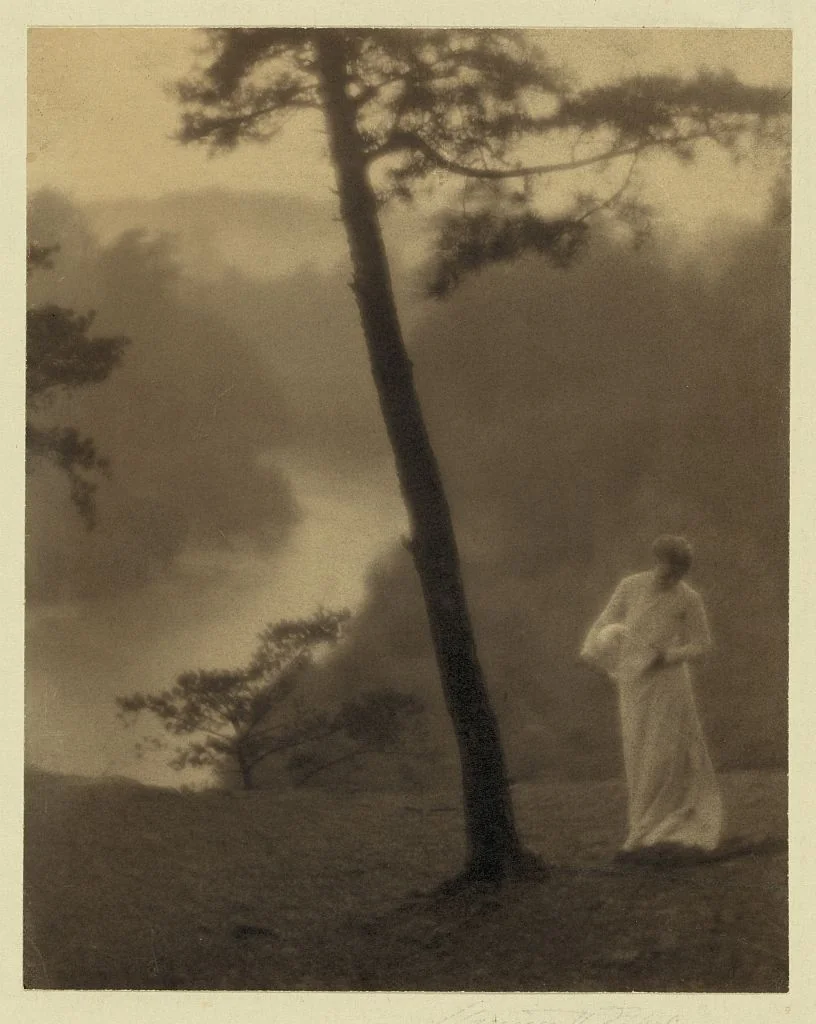
Clarence H. White · 1906
Morning
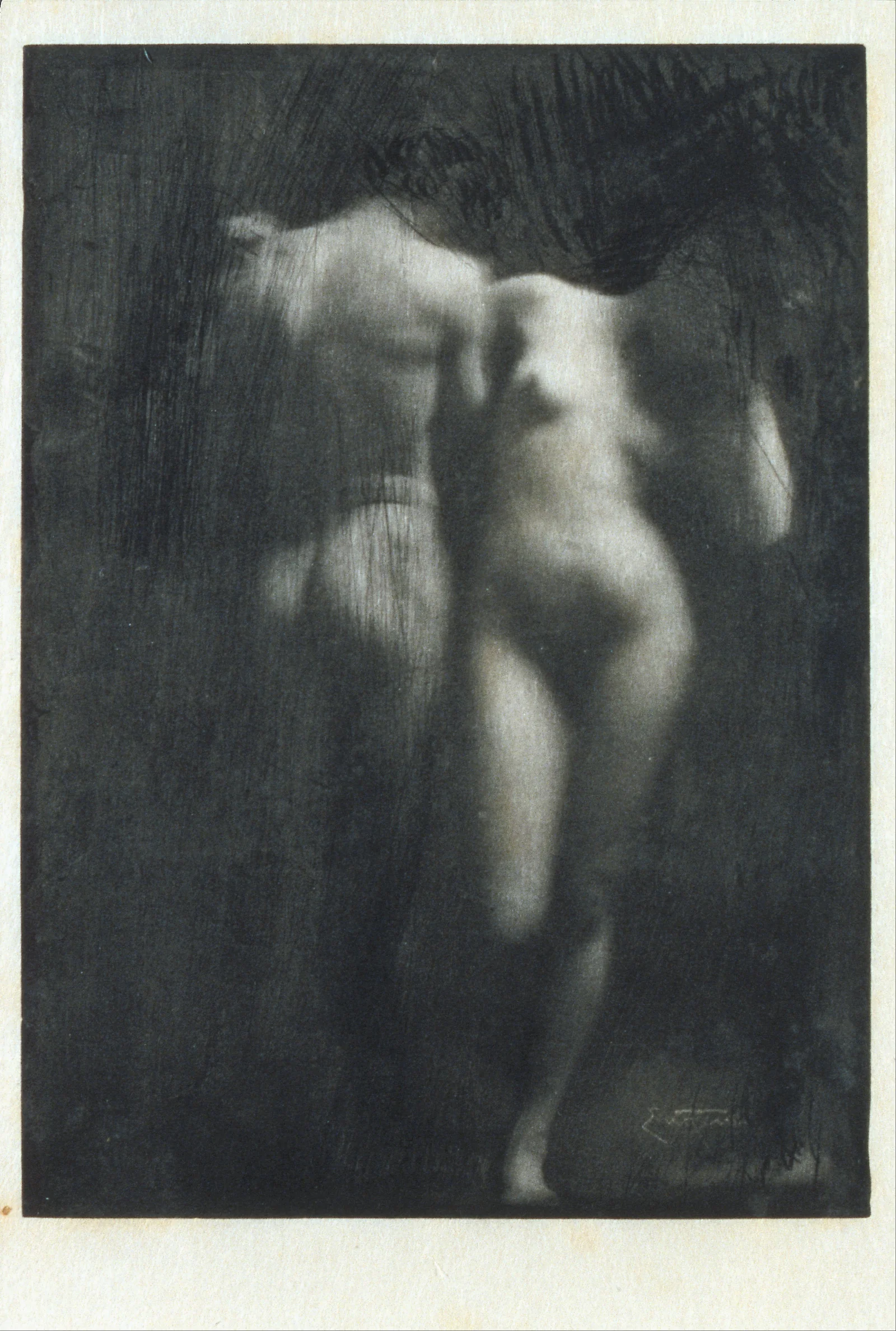
Frank Eugene · 1898
Adam and Eve
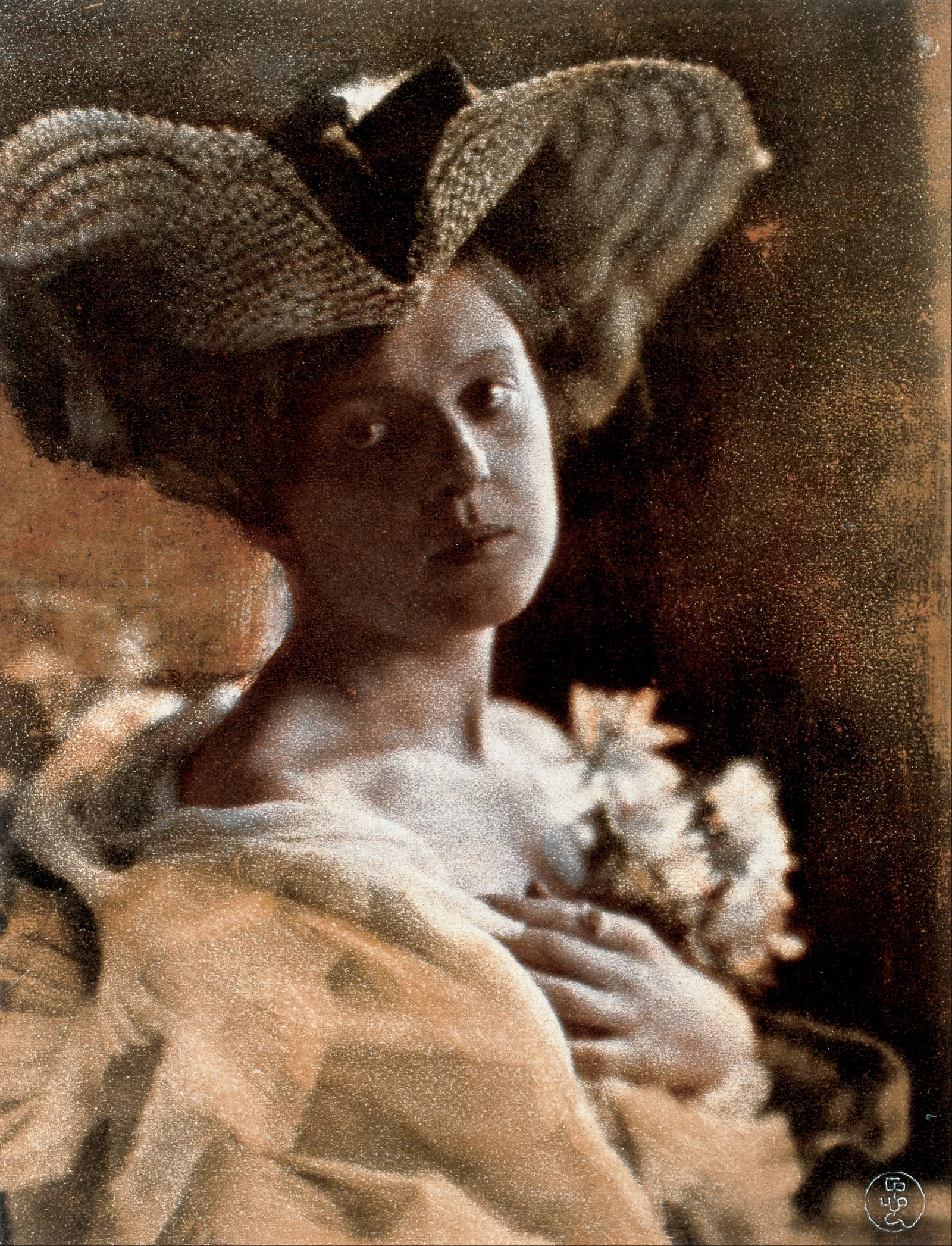
Constant Puyo · c. 1905-1910
The Straw Hat
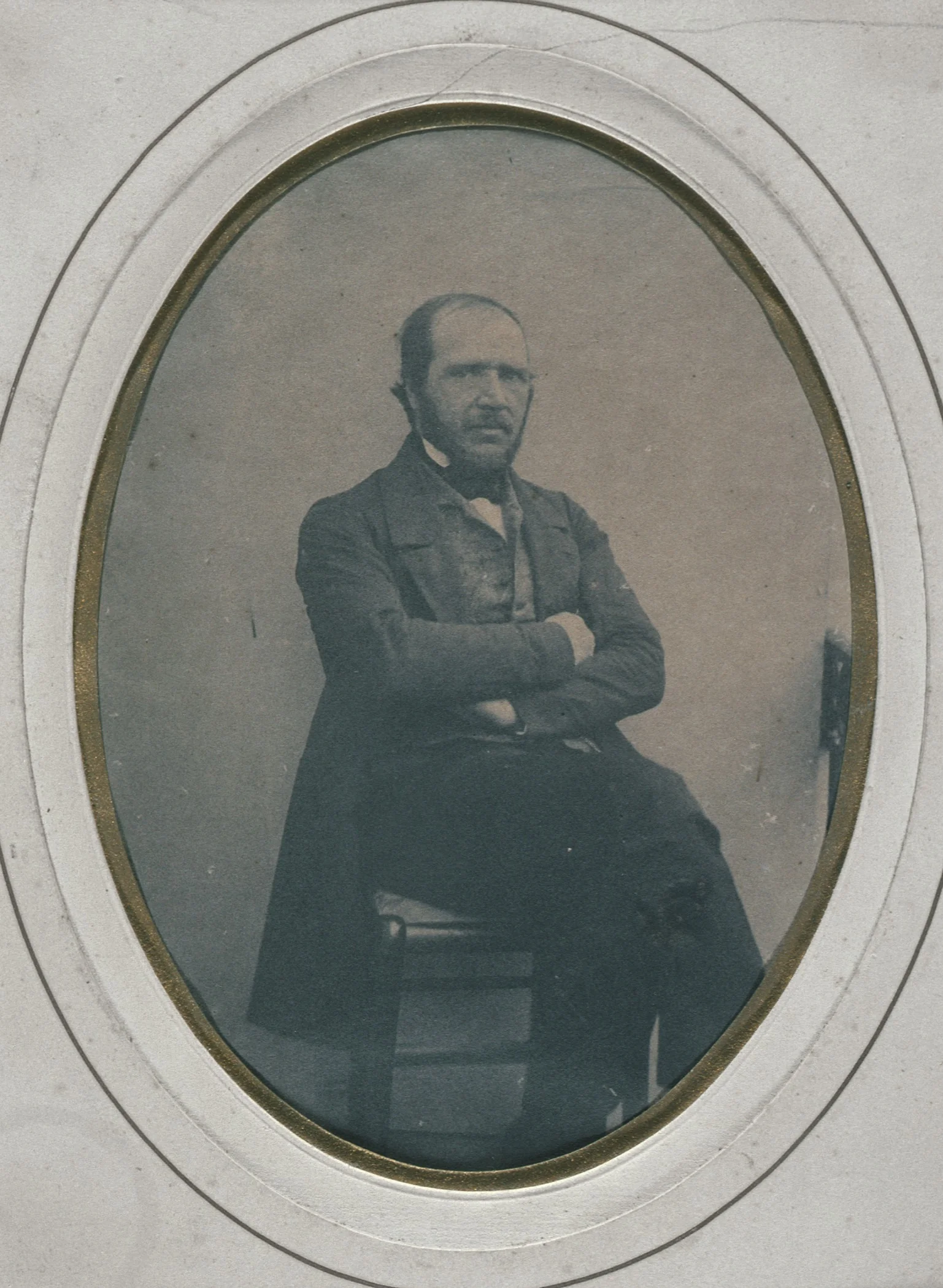
Alphonse Poitevin · 1853
Self-Portrait
Explore the collection
All documented works
Filter by procédé, subject or master to discover all 280 works. Each print is reinterpretable at the Maison Picturale studio using reformulated non-toxic chemistry.
296 works of 296
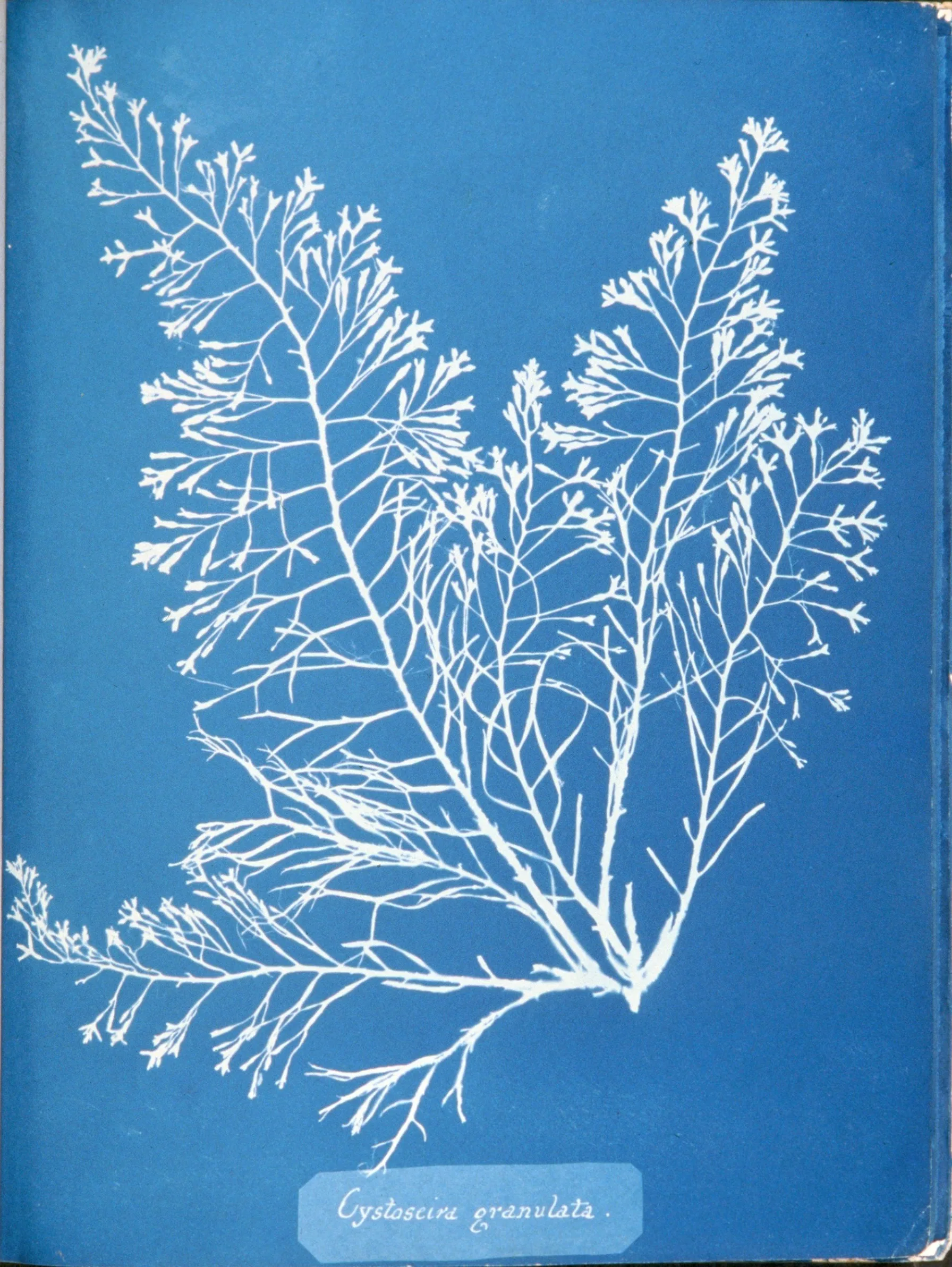
Anna Atkins · c. 1843
Cystoseira granulata
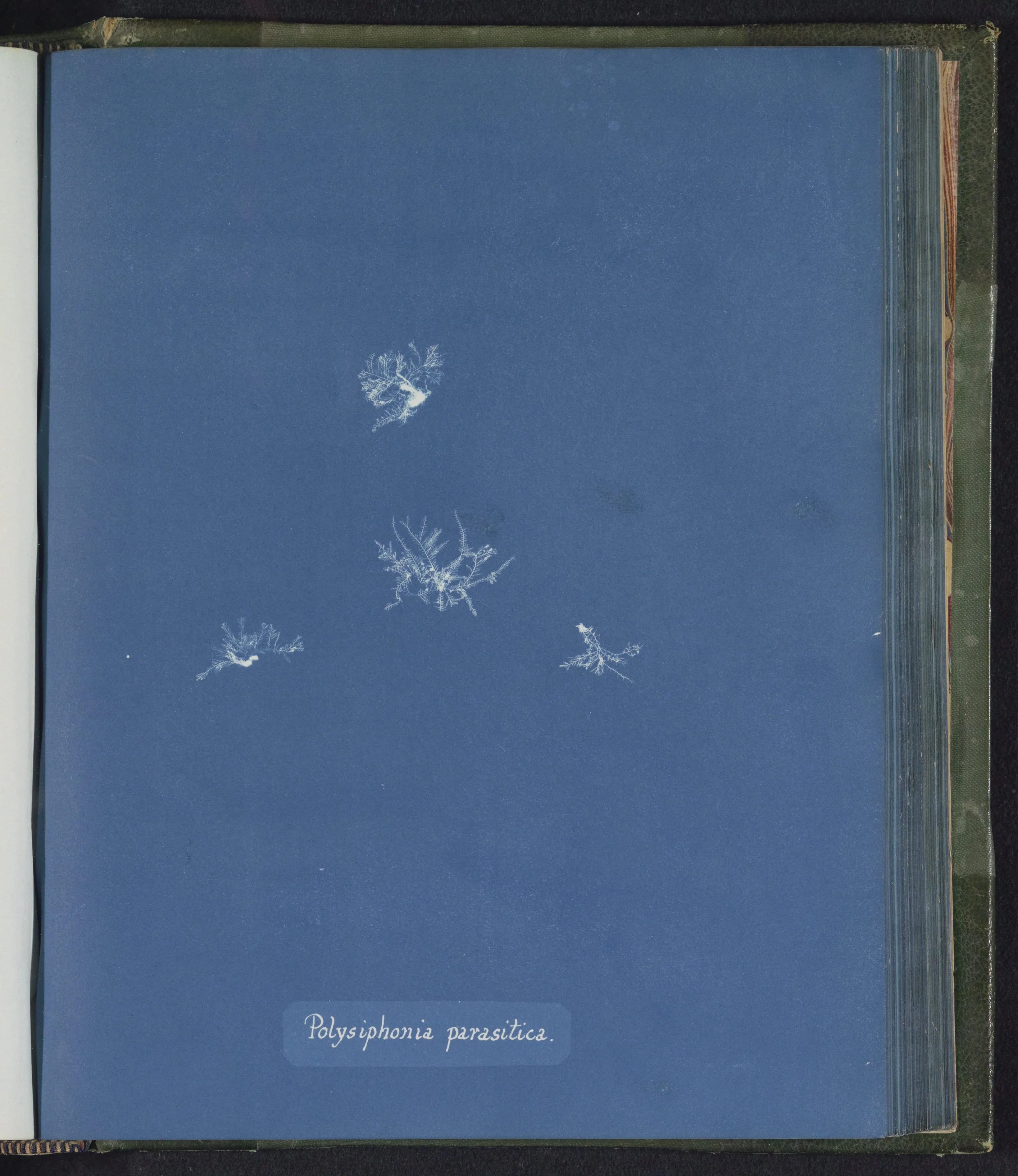
Anna Atkins · c. 1843
Polysiphonia parasitica

Anna Atkins · c. 1843-1853
Dictyota dichotoma — young plant
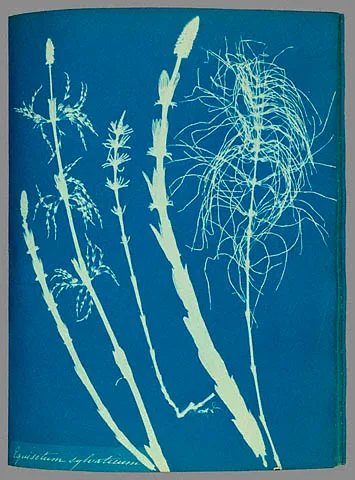
Anna Atkins · c. 1853
Equisetum sylvaticum (Wood Horsetail)
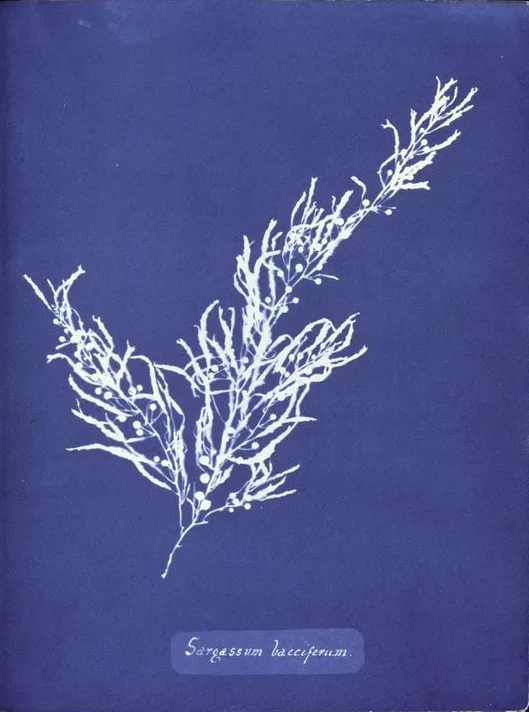
Anna Atkins · c. 1843
Sargassum bacciferum
Anna Atkins · 1843
Title Page — Photographs of British Algae: Cyanotype Impressions
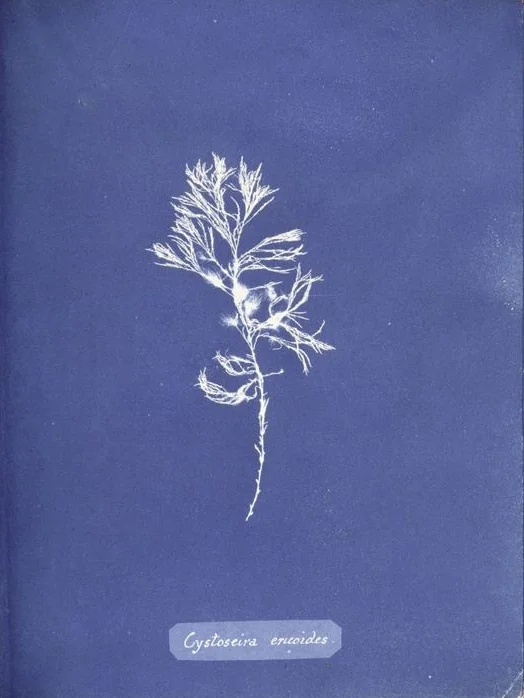
Anna Atkins · c. 1843-53
Cystoseira ericoides
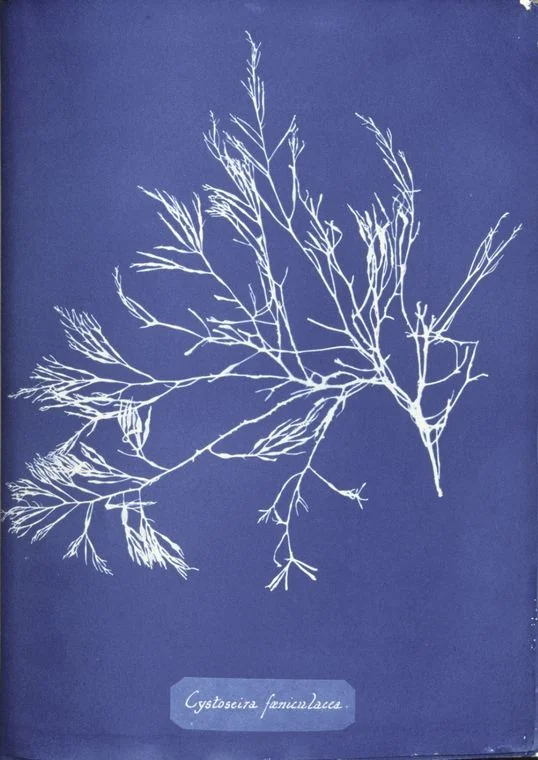
Anna Atkins · c. 1843-53
Cystoseira foeniculacea
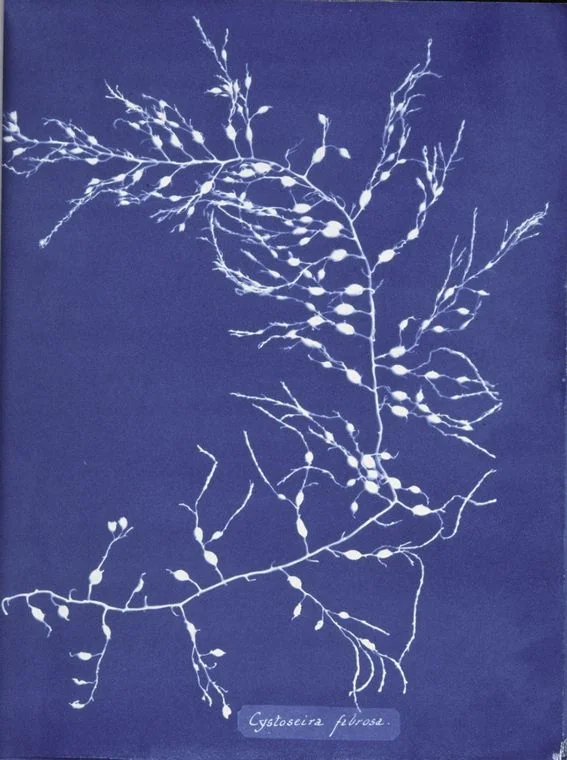
Anna Atkins · c. 1843-53
Cystoseira fibrosa
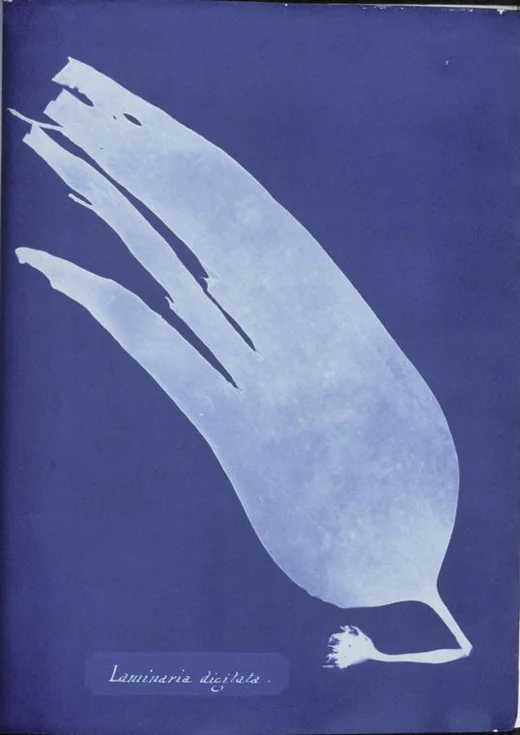
Anna Atkins · c. 1843-53
Laminaria digitata
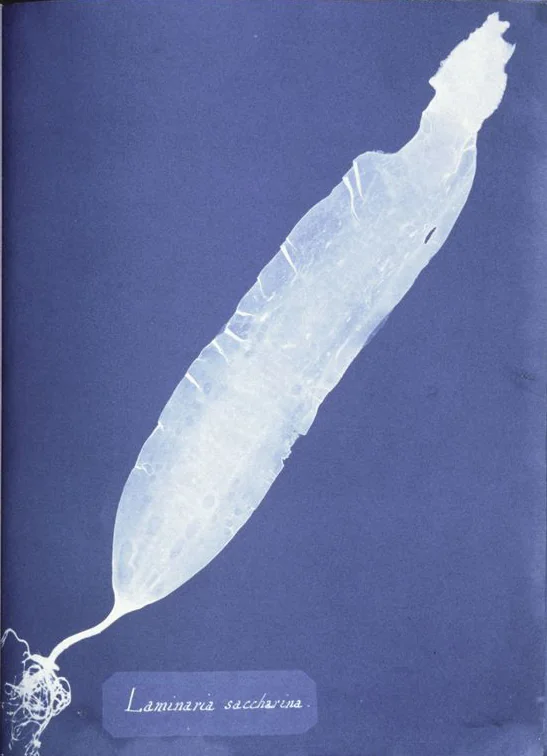
Anna Atkins · c. 1843-53
Saccharina latissima
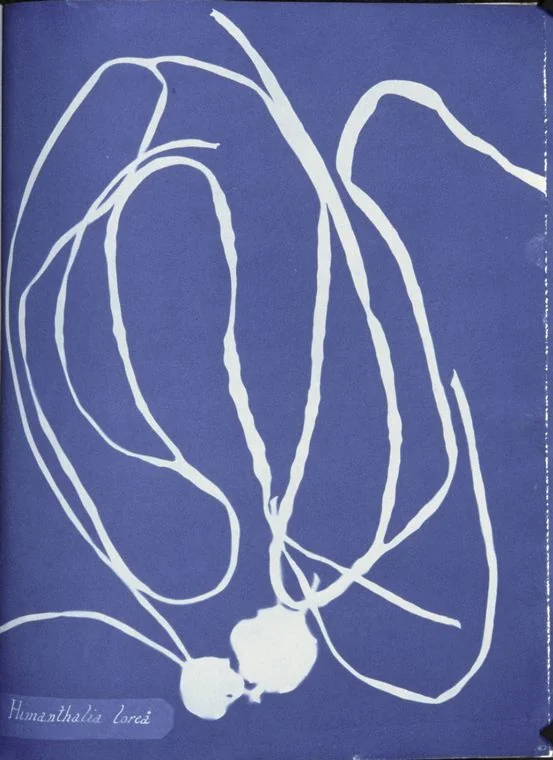
Anna Atkins · c. 1843-53
Himanthalia lorea
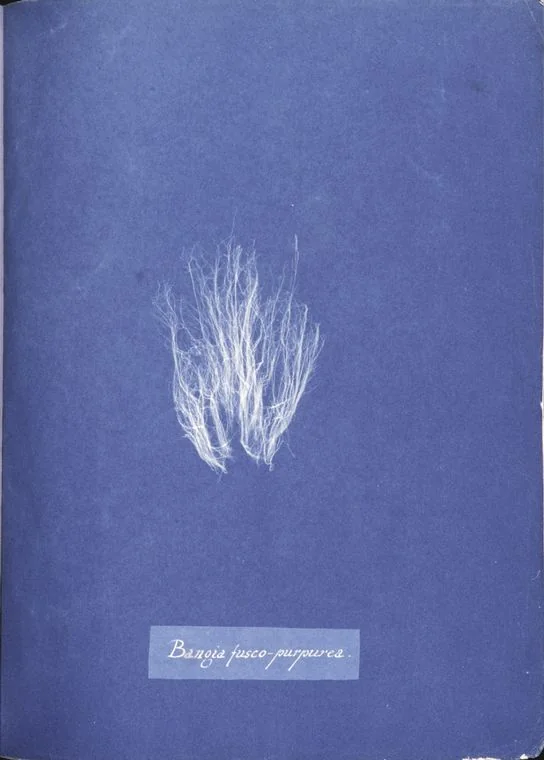
Anna Atkins · c. 1843-53
Bangia fusco-purpurea
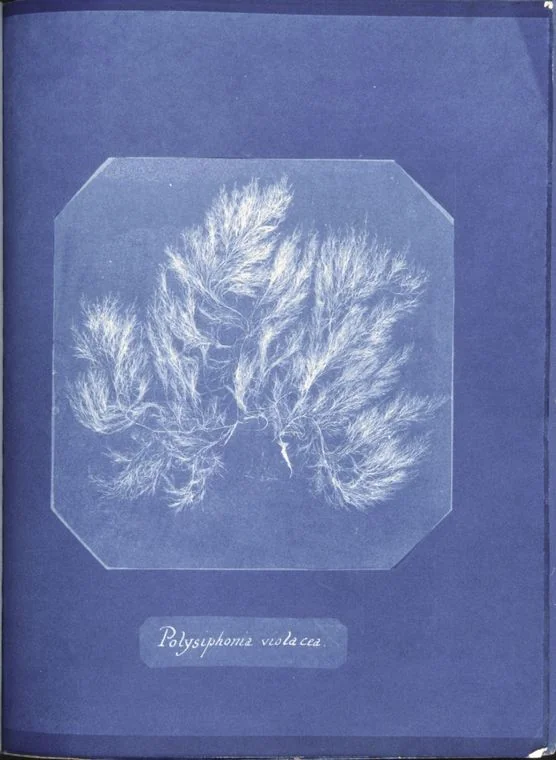
Anna Atkins · c. 1843-53
Polysiphonia violacea
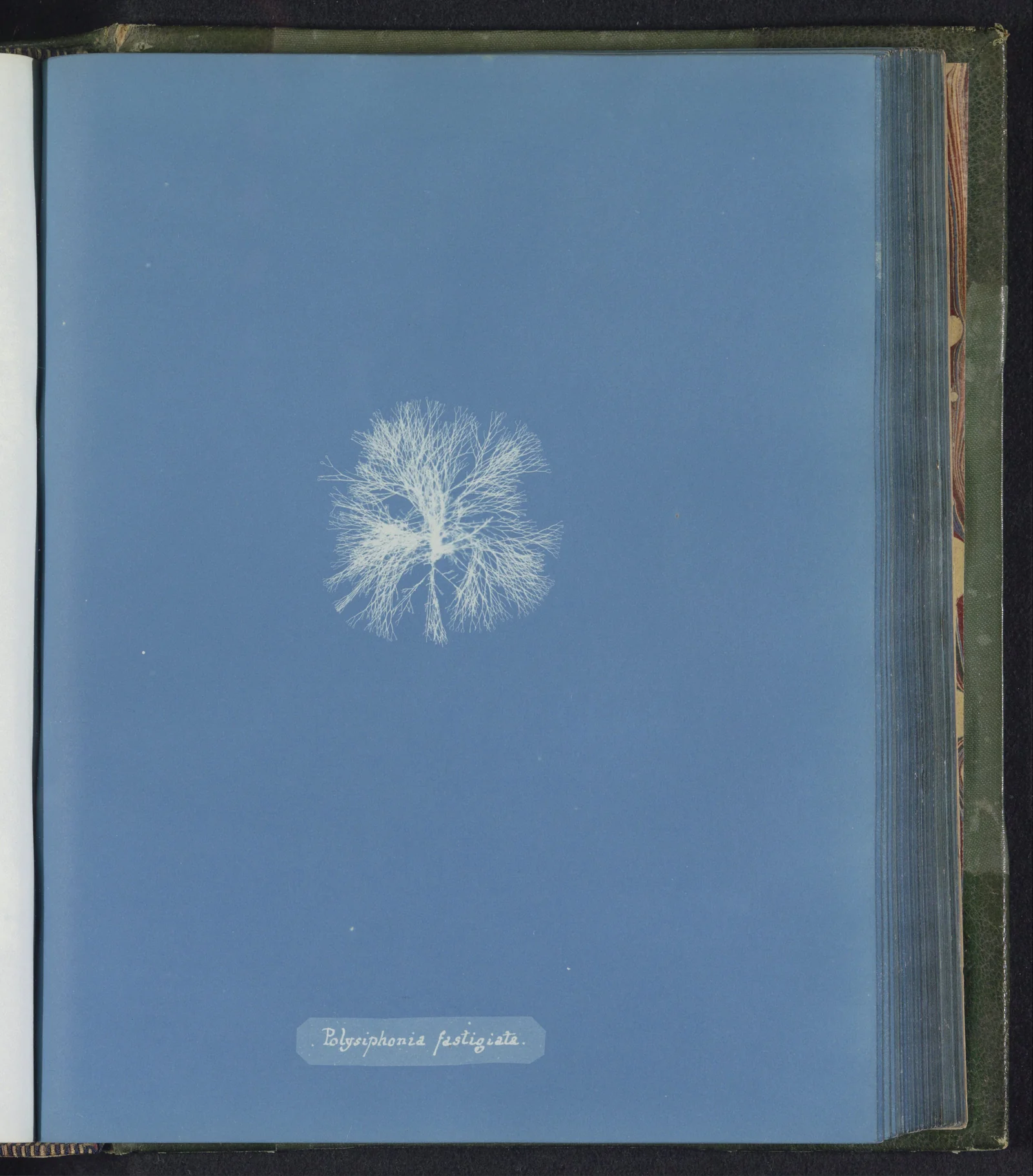
Anna Atkins · c. 1843-53
Polysiphonia fastigiata
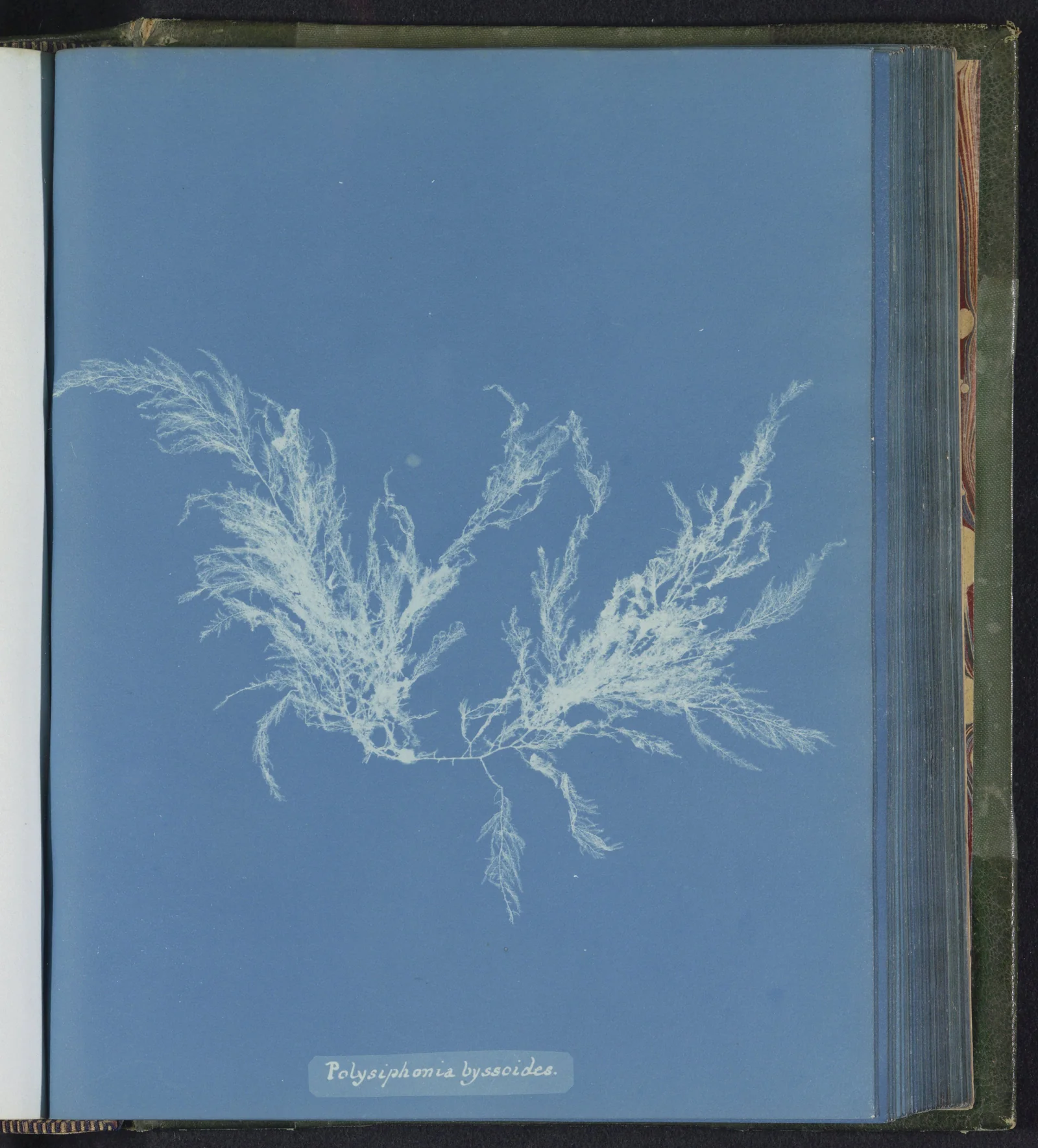
Anna Atkins · c. 1843-53
Polysiphonia byssoides
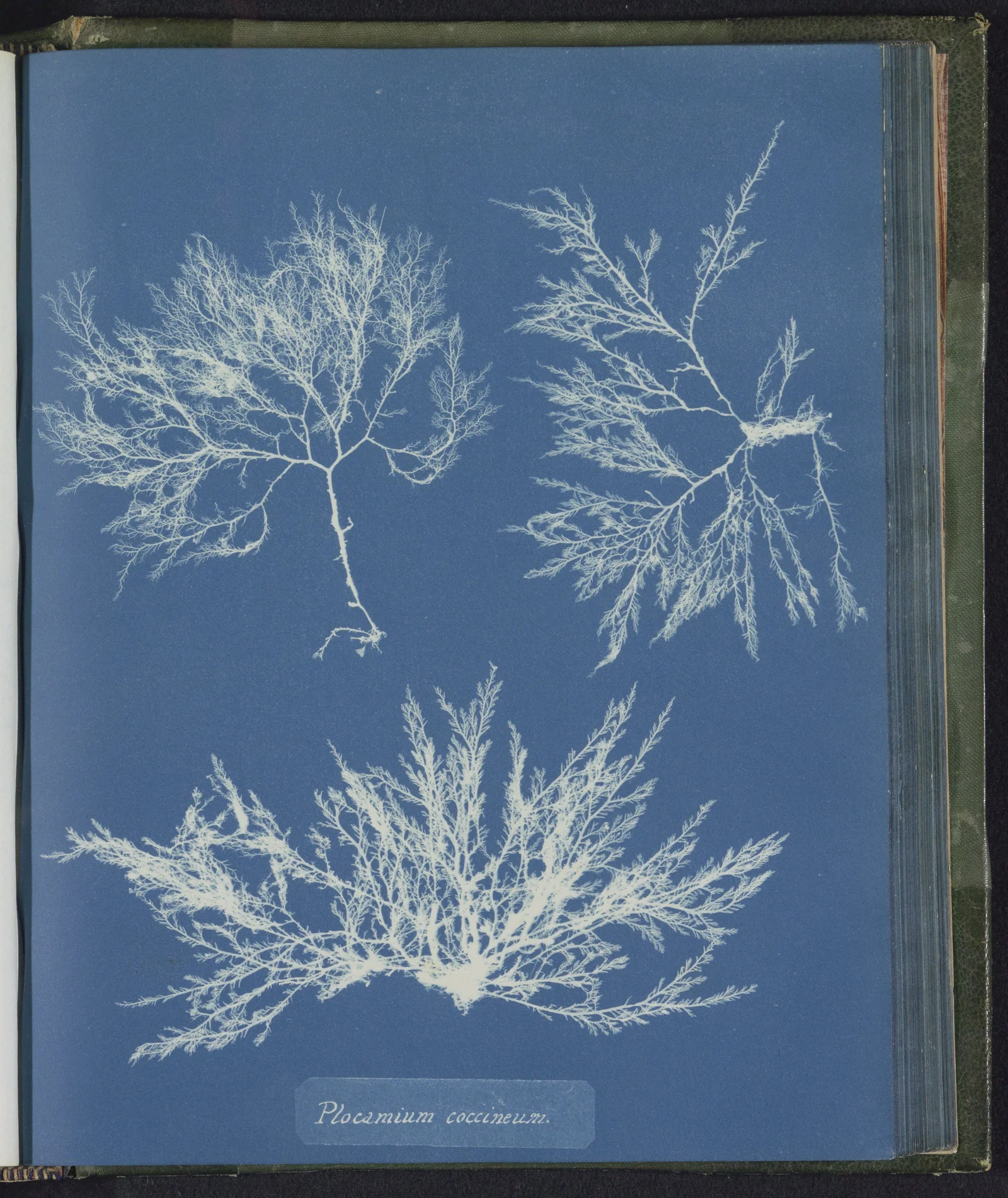
Anna Atkins · c. 1843-53
Plocamium coccineum
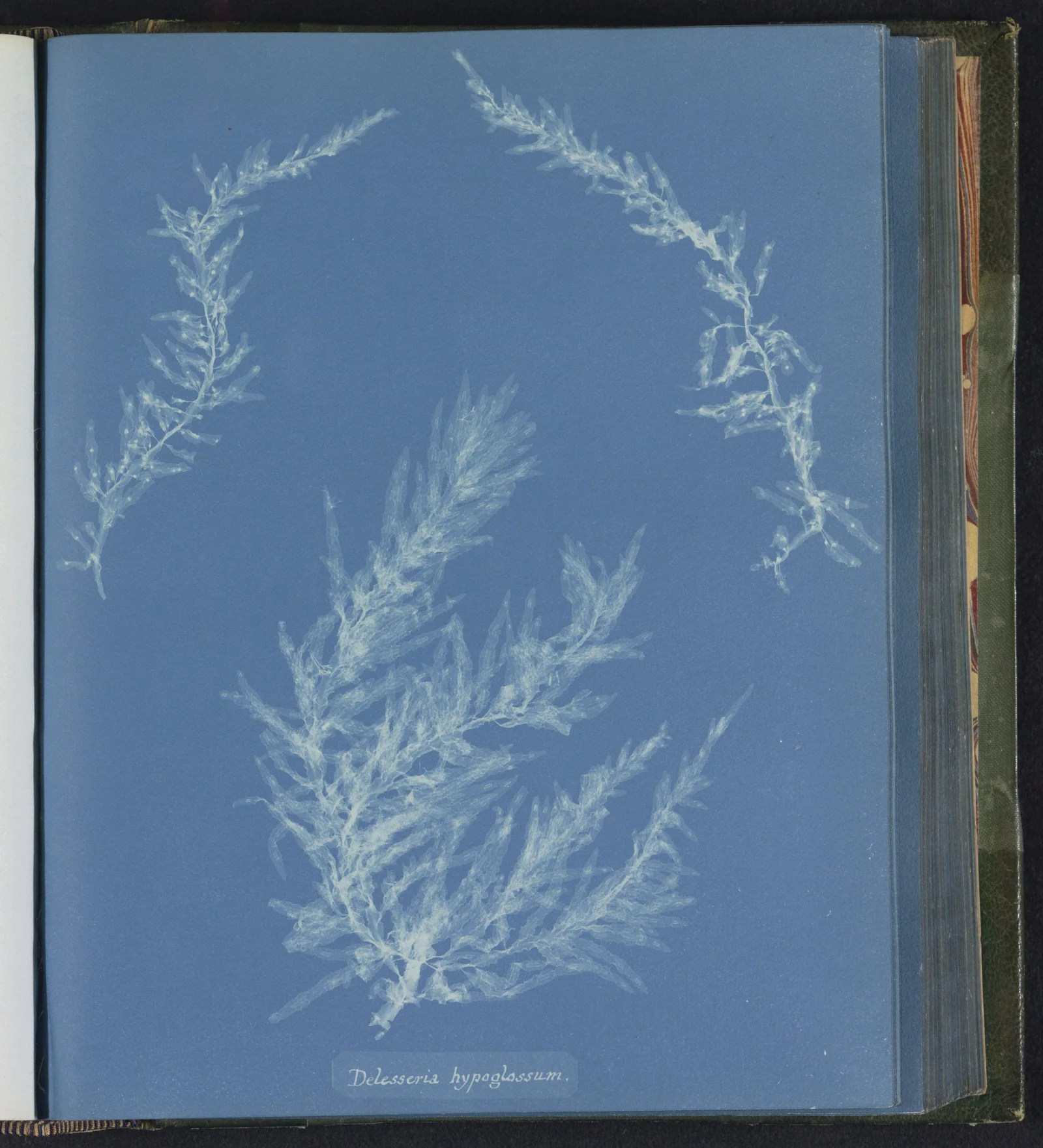
Anna Atkins · c. 1843-53
Delesseria hypoglossum
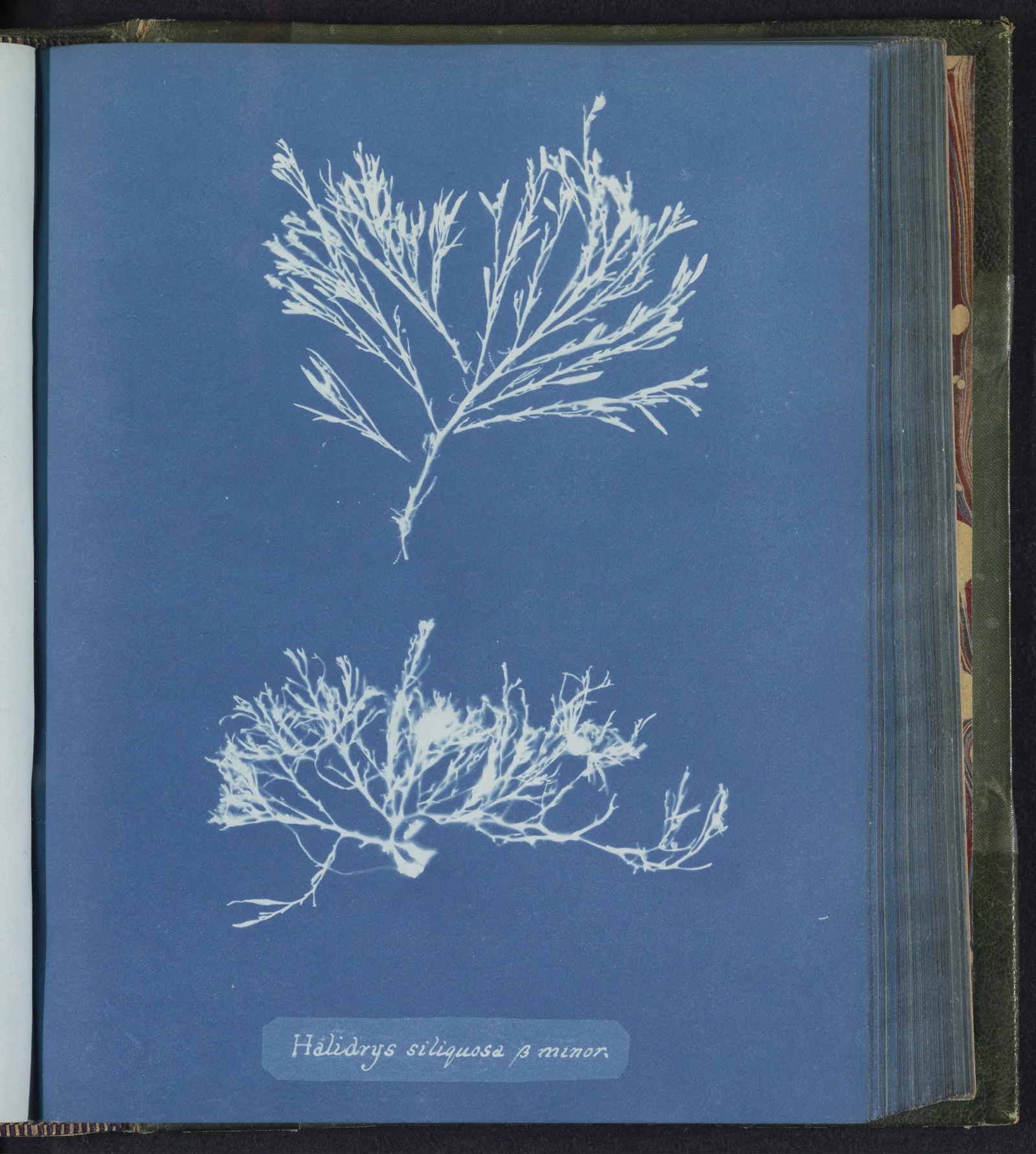
Anna Atkins · c. 1843-53
Halidrys siliquosa
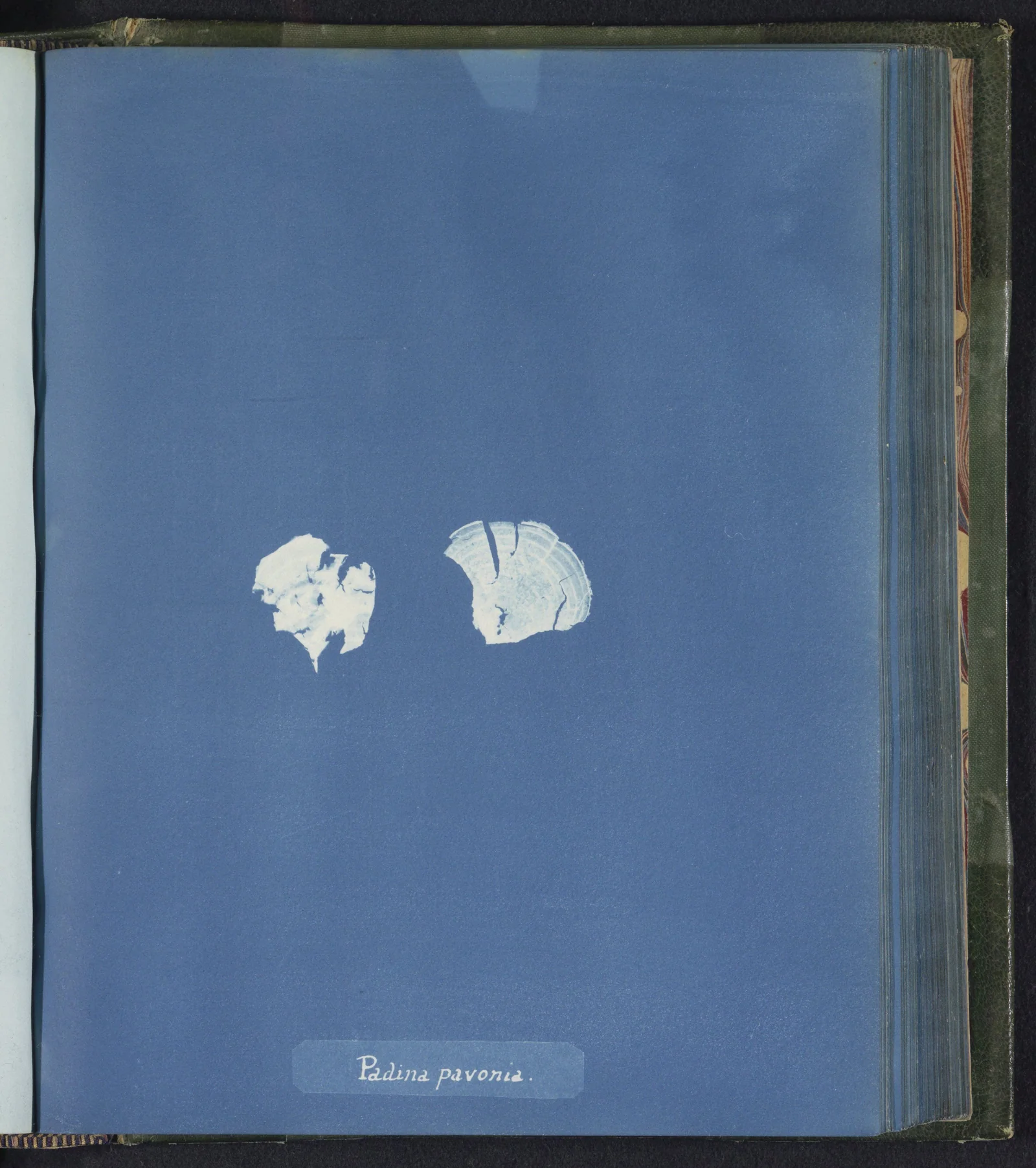
Anna Atkins · c. 1843-53
Padina pavonia
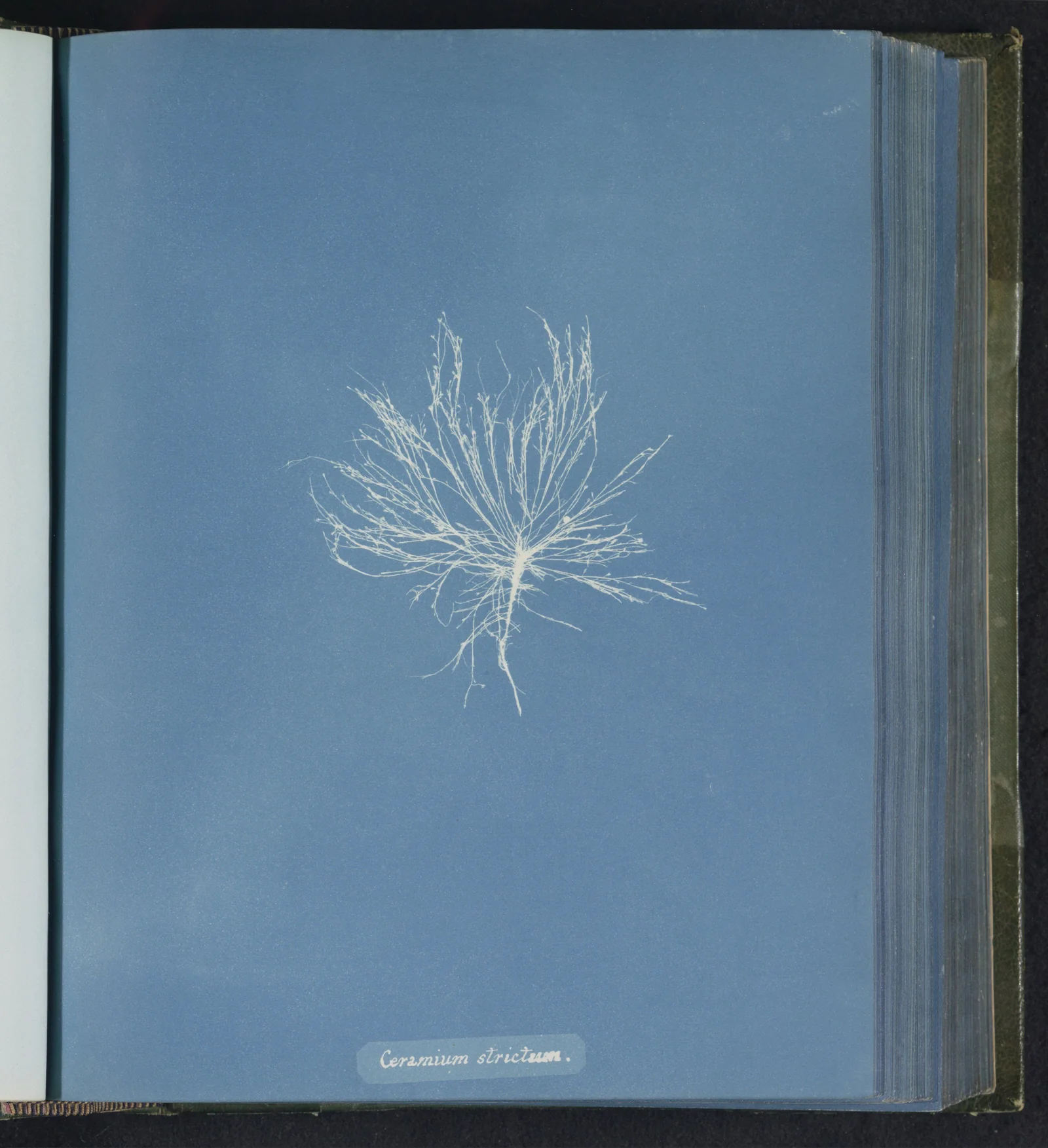
Anna Atkins · c. 1843-53
Ceramium strictum
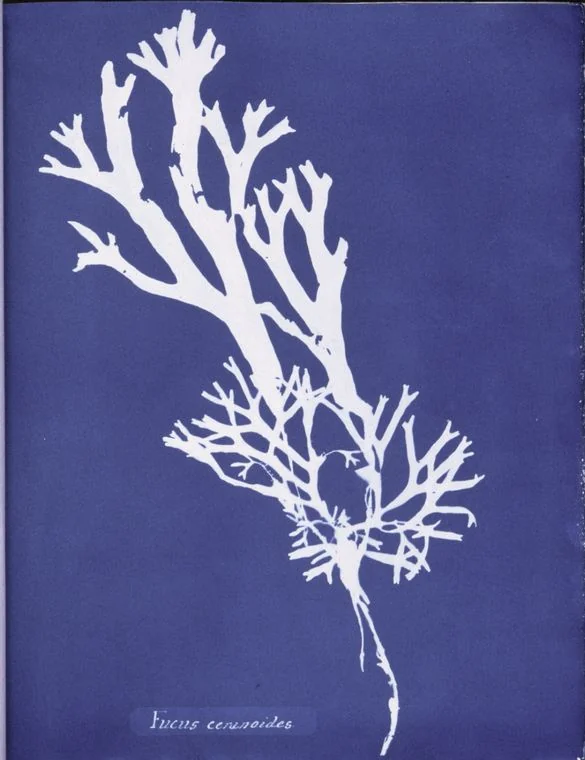
Anna Atkins · c. 1843-53
Fucus ceranoides
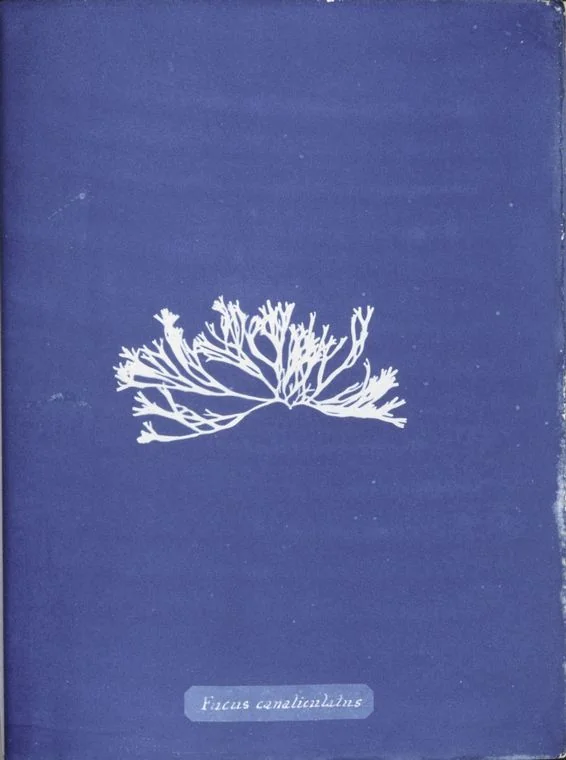
Anna Atkins · c. 1843-53
Fucus canaliculatus
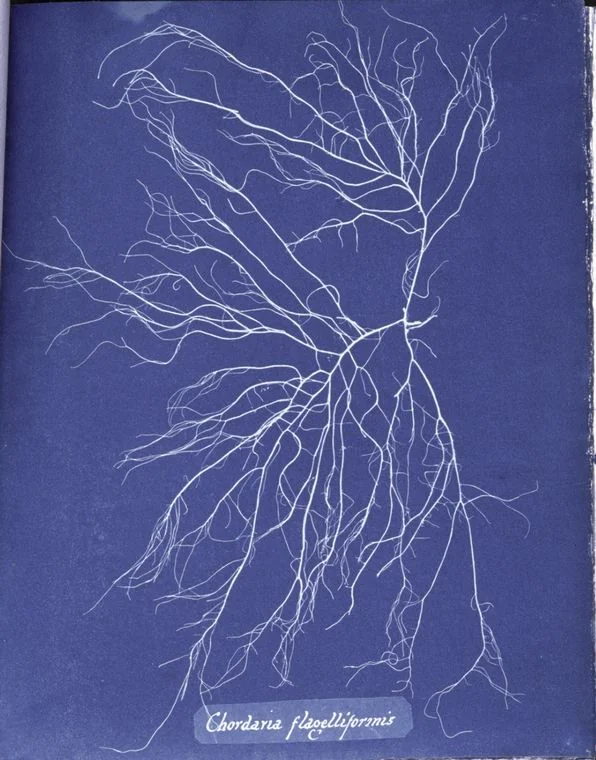
Anna Atkins · c. 1843-53
Chordaria flagelliformis
All masters
Chronology of the 16 founding figures
The pictorialists and inventors in the French public domain (CPI L.123-1, 70 years post-mortem). Each profile presents the biography, the holding institutions and the full documented body of work.
Prints produced under French public domain law. Systematic mention "after [Master]" on the work and on the certificate of authenticity.
- 1799-1871Public domain since 1942
Anna Atkins
Anna Atkins (1799-1871) is the British botanist who produced the first photographic book in history. Daughter of John George Children, Secretary of the Royal Society, she learned the cyanotype process directly from its inventor Sir John Herschel and applied it to botanical illustration with scientific precision.
Processes : cyanotype
Discover the master - 1812-1877Public domain since 1948
Adolphe Braun
Adolphe Braun (1812-1877) is the Alsatian photographer-industrialist who pioneered the carbon transfer process at his Dornach atelier and produced floral still lifes that won him entry to the Société française de photographie. He transformed photography into an industrial art capable of permanent, large-format reproduction.
Processes : platinum
Discover the master - 1813-1879Public domain since 1950
Charles Marville
Charles Marville (1813-1879) is the photographer of Paris during Baron Haussmann's transformation. As 'photographe de la Ville de Paris' (1862), he documented both the disappearing medieval streets of the Vieux Paris and the new Haussmannian boulevards — creating an irreplaceable archive of 19th-century urban transformation.
Processes : platinum · gomme
Discover the master - 1815-1879Public domain since 1950
Julia Margaret Cameron
Julia Margaret Cameron (1815-1879) is the British photographer who reinvented portraiture as a fine art. Working in albumen prints from large wet-collodion glass negatives at her Dimbola Lodge on the Isle of Wight, she photographed Tennyson, Darwin, Herschel and Carlyle, alongside Pre-Raphaelite-inspired allegories that anticipated Pictorialism by three decades.
Processes : platinum
Discover the master - 1819-1882Public domain since 1953
Alphonse Poitevin
Alphonse Poitevin (1819-1882) is the French chemist and engineer who invented the gum bichromate process in 1855, alongside photolithography and the carbon process. Building on Mungo Ponton's 1839 discovery of dichromate photosensitivity, Poitevin applied this property to pigmented colloids — opening the era of pigment-based photographic processes.
Processes : gomme · charbon
Discover the master - 1820-1884Public domain since 1955
Gustave Le Gray
Gustave Le Gray (1820-1884) is the French photographer who invented the waxed-paper negative (1851), pioneered combined-negative seascapes, and produced the Mission Héliographique commissions documenting France's medieval heritage. His marine compositions remain among the 19th century's most celebrated photographs.
Processes : charbon · gomme
Discover the master - 1852-1934Public domain since 2005
Gertrude Käsebier
Gertrude Käsebier (1852-1934) is the American pictorialist whose maternal portraits — The Manger, Blessed Art Thou Among Women — became Photo-Secession icons. A founding member of Stieglitz's circle and later co-founder of the Pictorial Photographers of America, she elevated commercial portraiture to fine art.
Processes : platinum · gomme
Discover the master - 1853-1943Public domain since 2014
Frederick H. Evans
Frederick H. Evans (1853-1943) is the British pictorialist master of platinum-palladium printing, celebrated for his architectural photographs of English cathedrals and his portraits of literary figures. Member of the Linked Ring, he set the absolute tonal standard for platinotype.
Processes : platinum
Discover the master - 1857-1933Public domain since 2004
Constant Puyo
Constant Puyo (1857-1933) is the French pictorialist master, member of the Photo-Club de Paris from 1894 (founded by Maurice Bucquet alone in 1888) and its president from 1921 to 1926. A former artillery officer (École polytechnique, French Army, commandant rank, retired 1902) turned photographer, he developed a poetic gum bichromate and oil pigment practice and theorised the aesthetic of soft-focus portraiture.
Processes : gomme
Discover the master - 1859-1936Public domain since 2007
Robert Demachy
Robert Demachy (1859-1936) is the French pictorialist master, co-founder of the Photo-Club de Paris (1888) with Maurice Bucquet and member of the British Linked Ring. He defined the visual identity of gum bichromate photography and perfected the bromoil process in France — two procédés that Maison Picturale practises today with a non-toxic chemistry.
Processes : gomme · bromoil
Discover the master - 1864-1946Public domain since 2017
Alfred Stieglitz
Alfred Stieglitz (1864-1946) is the founding figure of American art photography. Founder of Camera Work (1903) and gallery 291 in New York, he led the Photo-Secession movement that elevated photography to fine art status and championed pictorialism before turning to modernist abstraction with his Equivalents cloud series (1925-1934).
Processes : platinum · gomme
Discover the master - 1864-1933Public domain since 2004
F. Holland Day
F. Holland Day (Fred Holland Day, 1864-1933) is the Boston pictorialist, publisher and bibliophile who treated the platinum print as devotional matter — staging "The Seven Last Words" (1898) with himself as Christ, and producing the celebrated Nubian Series (1896-1897) of African-American models posed as Ethiopian royalty. Co-founder of Copeland & Day, publishers of Oscar Wilde and Aubrey Beardsley, he was invited to join the Photo-Secession but declined, preserving his radical independence.
Processes : platinum · gomme
Discover the master - 1865-1936Public domain since 2007
Frank Eugene
Frank Eugene (Frank Eugene Smith, 1865-1936) is the American-German pictorialist who deliberately scratched and reworked his photographic negatives with etching tools, producing prints that blurred the boundary between photograph and engraving. Founding Photo-Secession member, later professor at the Royal Academy of Graphic Arts of Leipzig — the first university chair in the world for pictorial photography.
Processes : platinum · gomme
Discover the master - 1865-1951Public domain since 2022
Théodore-Henri Fresson
Théodore-Henri Fresson (1865-1951) is the French agronomist-engineer who invented the Charbon-Satin direct-development carbon paper, presented to the Société française de photographie in 1899. His pigment-based paper became the printing medium of choice for major pictorialists — Robert Demachy, Constant Puyo, Léonard Misonne, José Ortiz Echagüe — and his family workshop in Savigny-sur-Orge still practises the Fresson process today, five generations on.
Processes : charbon · gomme
Discover the master - 1866-1944Public domain since 2015
Heinrich Kühn
Heinrich Kühn (1866-1944) is the Austrian-German pictorialist master who perfected the gum bichromate and gum-over-platinum processes in Innsbruck. A peer of Stieglitz and Steichen, Kühn brought painterly chromatic depth to family portraiture and Alpine landscapes, and pioneered the multi-layer pigment print at monumental scale.
Processes : gomme · platinum · bromoil
Discover the master - 1871-1925Public domain since 1996
Clarence H. White
Clarence H. White (1871-1925) is the American pictorialist of intimate domestic light — Morning, The Ring Toss, The Kiss. Self-taught in Newark, Ohio, he became a Photo-Secession founder, co-founded the Pictorial Photographers of America with Gertrude Käsebier, and trained the next generation at the Clarence White School of Photography (1914-1925).
Processes : platinum · gomme
Discover the master