Alfred Stieglitz
Library

1864-1946 · American

Alfred Stieglitz

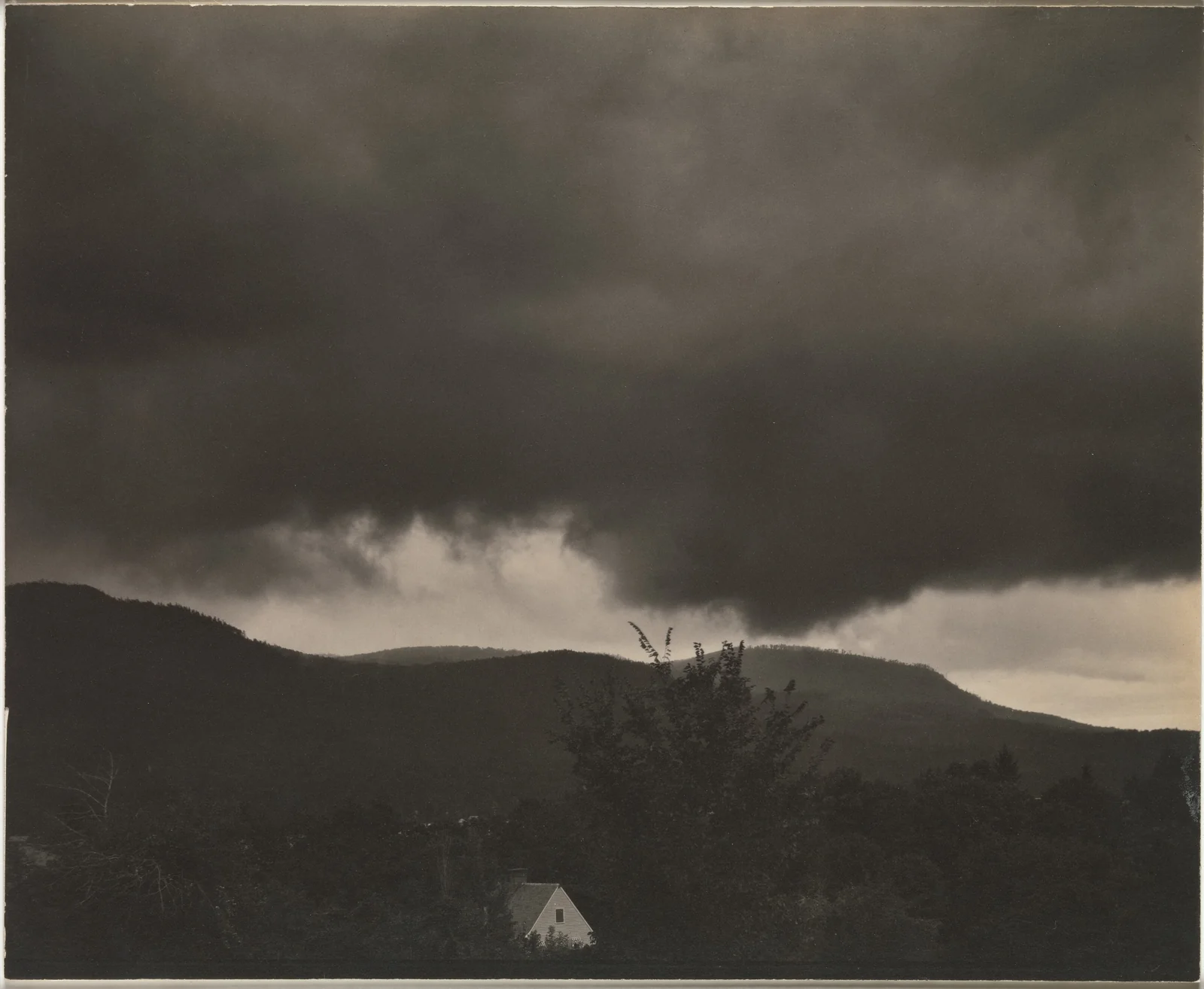
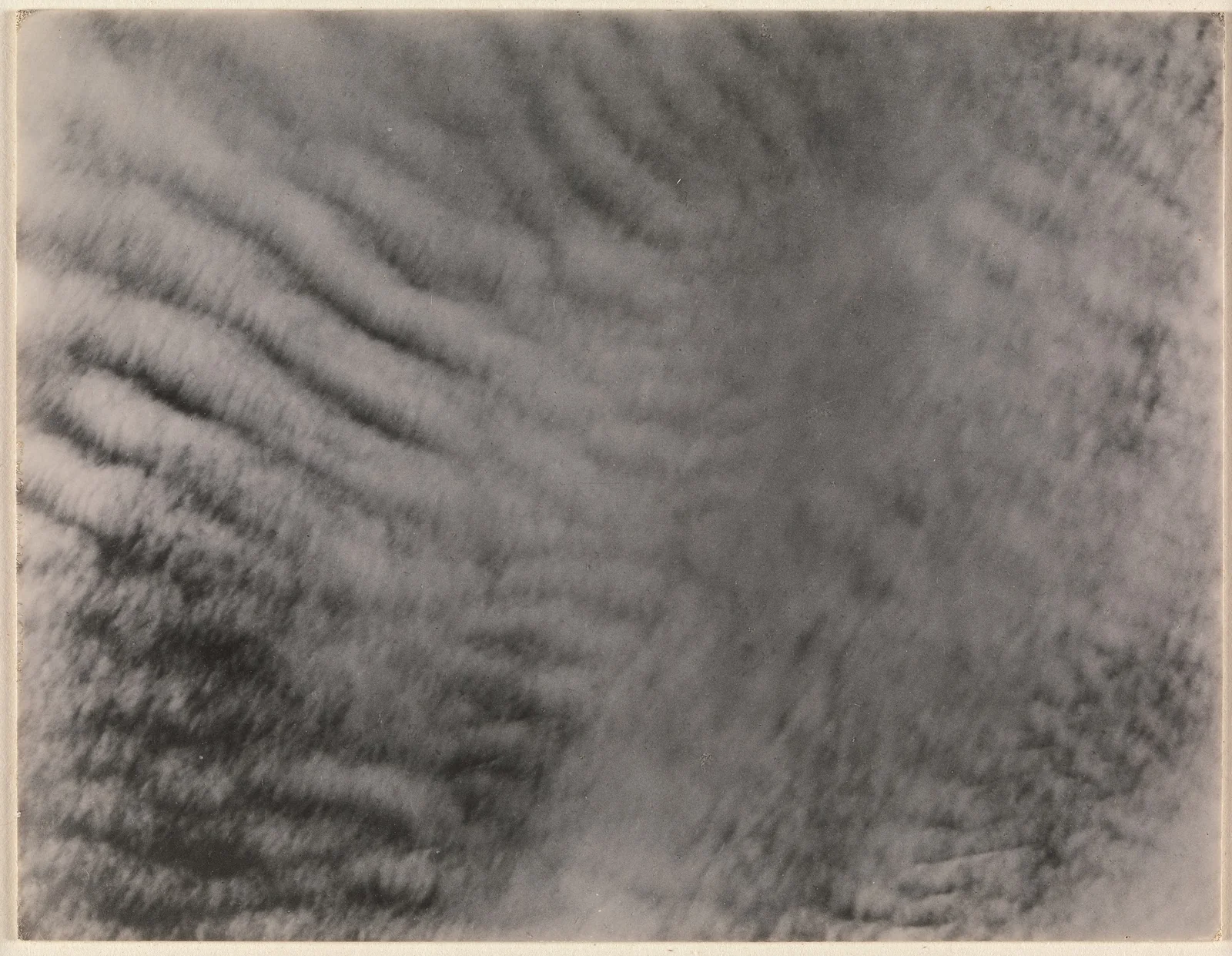
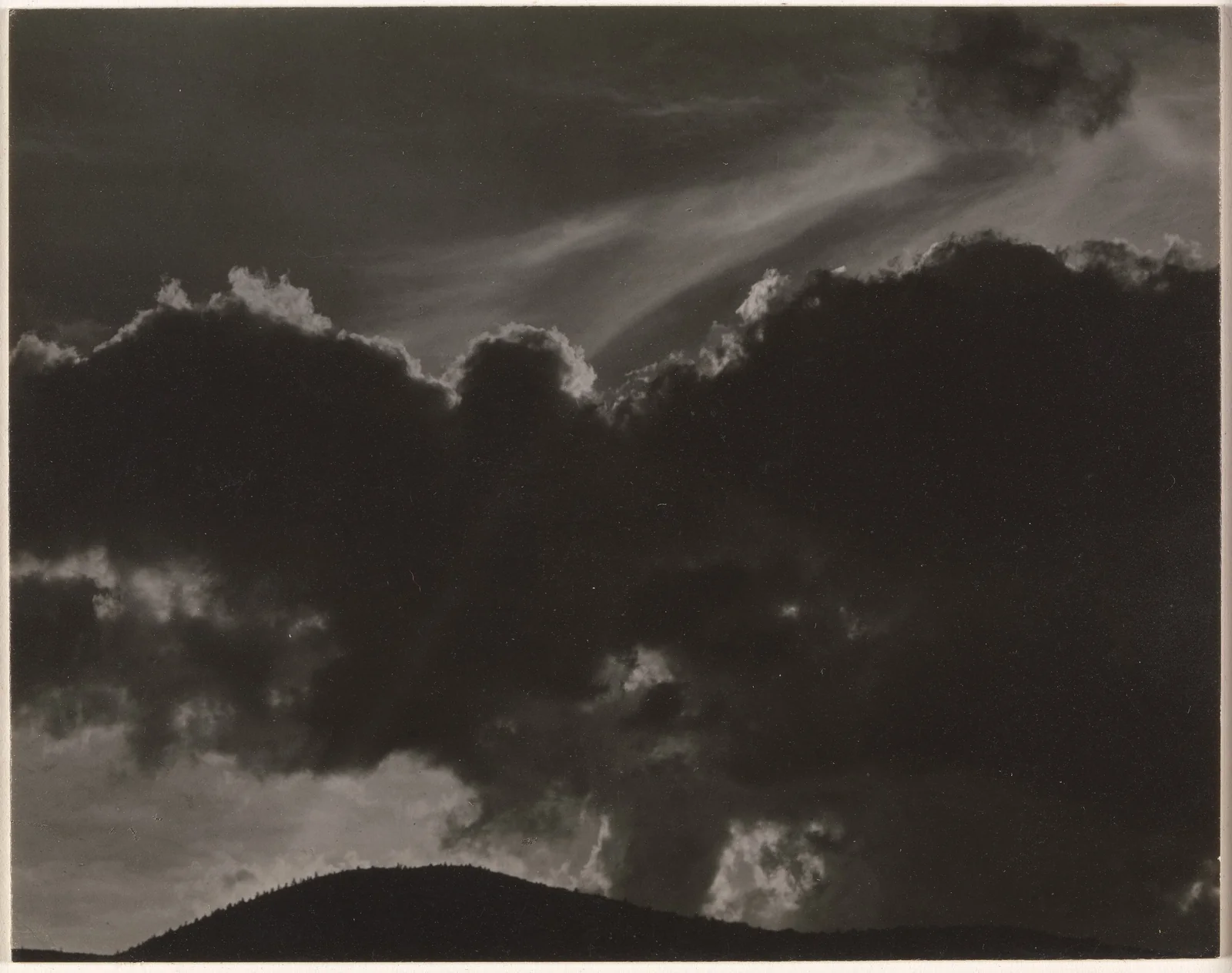
Alfred Stieglitz (1864-1946) is the founding figure of American art photography. Founder of Camera Work (1903) and gallery 291 in New York, he led the Photo-Secession movement that elevated photography to fine art status and championed pictorialism before turning to modernist abstraction with his Equivalents cloud series (1925-1934).

Public domain since 2017 · CPI L.123-1

Held at

  • Metropolitan Museum of Art
  • National Gallery of Art (Key Set)
  • Art Institute of Chicago
  • Yale Beinecke Library
  • George Eastman Museum
  • J. Paul Getty Museum
  • Cleveland Museum of Art

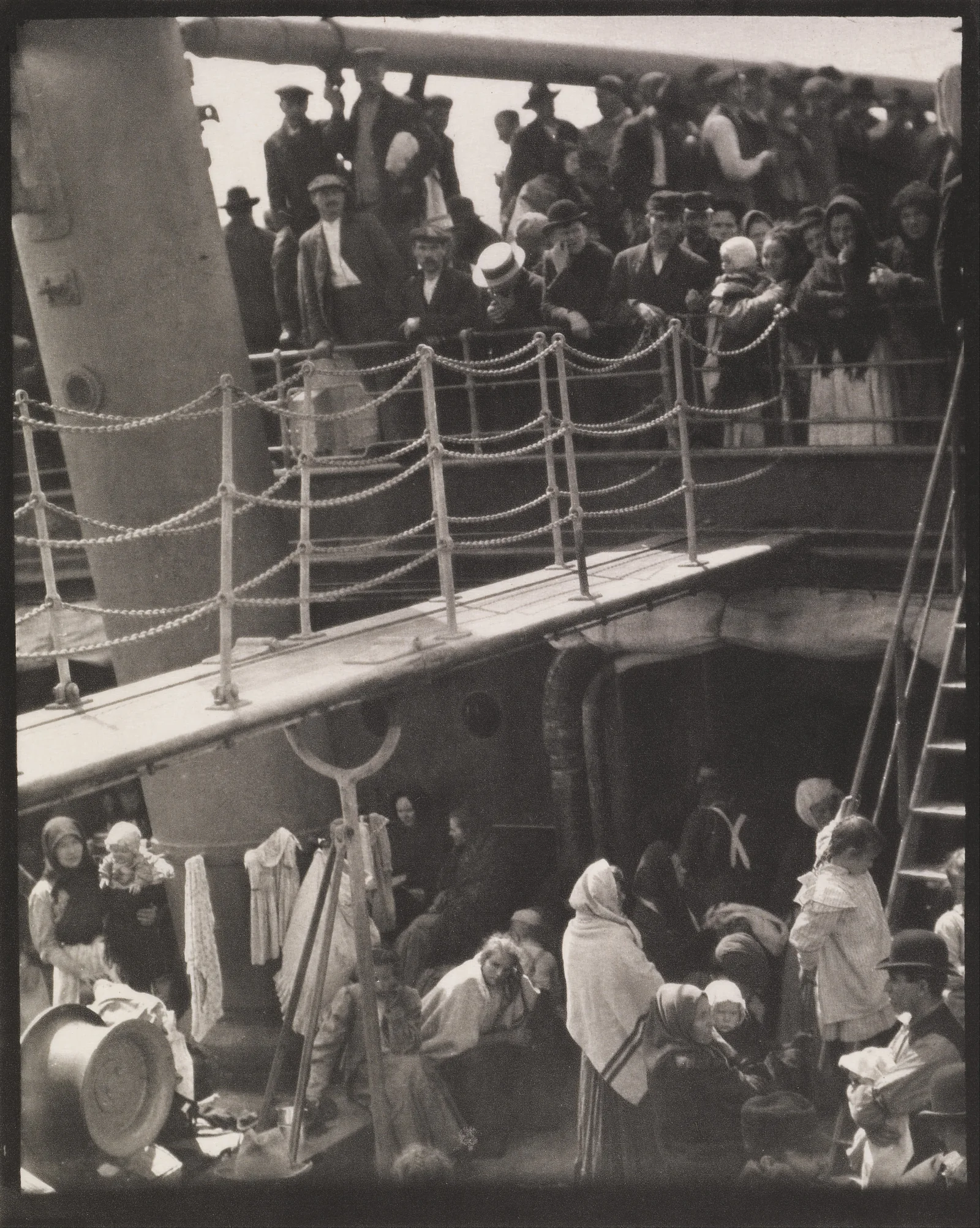
Born in Hoboken, New Jersey, Stieglitz studied photography in Berlin under Hermann Wilhelm Vogel before returning to New York in 1890. His 1907 photograph The Steerage marked his transition from pictorialism to modernism — widely cited as a foundational image of photographic modernism. As publisher of Camera Work (1903-1917) and director of gallery 291 (1905-1917), Stieglitz introduced European modernism to America (Picasso, Matisse, Cézanne, Brancusi) and championed American modernists (Marin, Hartley, Dove, O'Keeffe — whom he married in 1924). His Equivalents proper (1925-1934), preceded by the Music: A Sequence of Ten Cloud Photographs (1922-23), form one of the earliest bodies of work in photographic abstraction (preceded by Alvin Langdon Coburn's Vortographs, 1916). His works are held by the Metropolitan Museum of Art, the National Gallery of Art (Key Set, 1,642 prints), the Art Institute of Chicago, and the Yale Beinecke Library. Public domain since 2017 (70 years post-mortem). His platinum and palladium prints inform Maison Picturale's noble-metal practice.

Essential works

A curated selection of public-domain works by Alfred Stieglitz, reinterpretable as contemporary prints by Maison Picturale's master printers. Each artwork page details the original process and its atelier equivalent.

Print after — systematic mention on the certificate of authenticity.

The Steerage — Alfred Stieglitz

1907 · Photogravure

The Steerage

Photographed in June 1907 aboard the SS Kaiser Wilhelm II en route to Europe, first published in Camera Work no. 36 (October 1911) and exhibited at gallery 291 in 1913. Stieglitz himself described it as the work that marked a new beginning in his vision — separating his pictorialist period from his modernist turn.

Original held at : Metropolitan Museum of Art · Art Institute of Chicago · National Gallery of Art

Reference file source : Google Art Project via Wikimedia Commons (Public Domain)
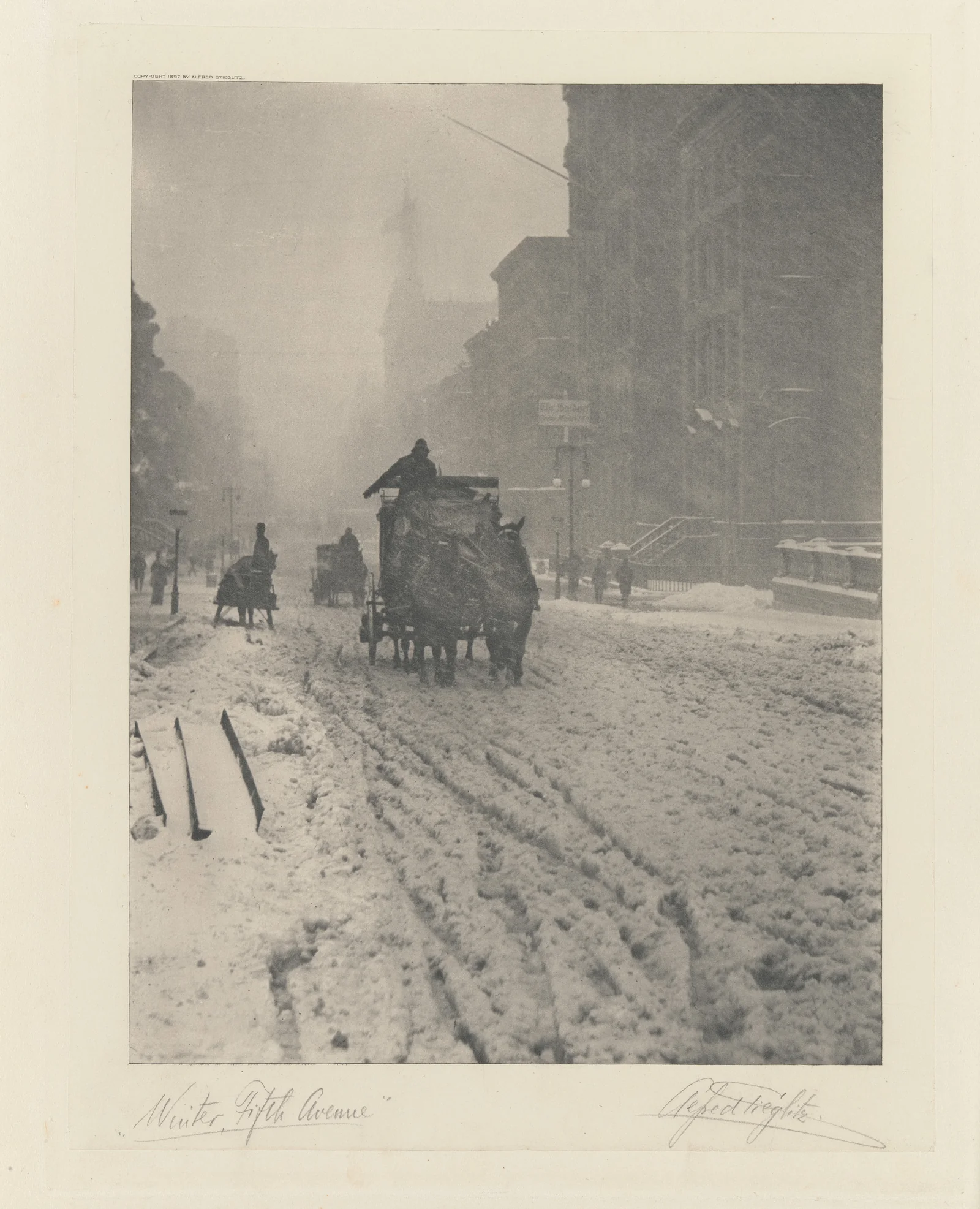
Winter, Fifth Avenue — Alfred Stieglitz

1893 · Carbon print (Stieglitz original) / Photogravure (Camera Work)

Winter, Fifth Avenue

A blizzard on Fifth Avenue (22 February 1893) with a stagecoach pushing through driving snow. Stieglitz stood for three hours in the storm waiting for the right moment; his original print was carbon on watercolor paper, later reproduced as photogravure.

Original held at : Metropolitan Museum of Art · National Gallery of Art · Museum of Modern Art · Minneapolis Institute of Art

Reference file source : MET Open Access via Wikimedia Commons (Public Domain)
Spring Showers — Alfred Stieglitz

1900 · Photogravure

Spring Showers

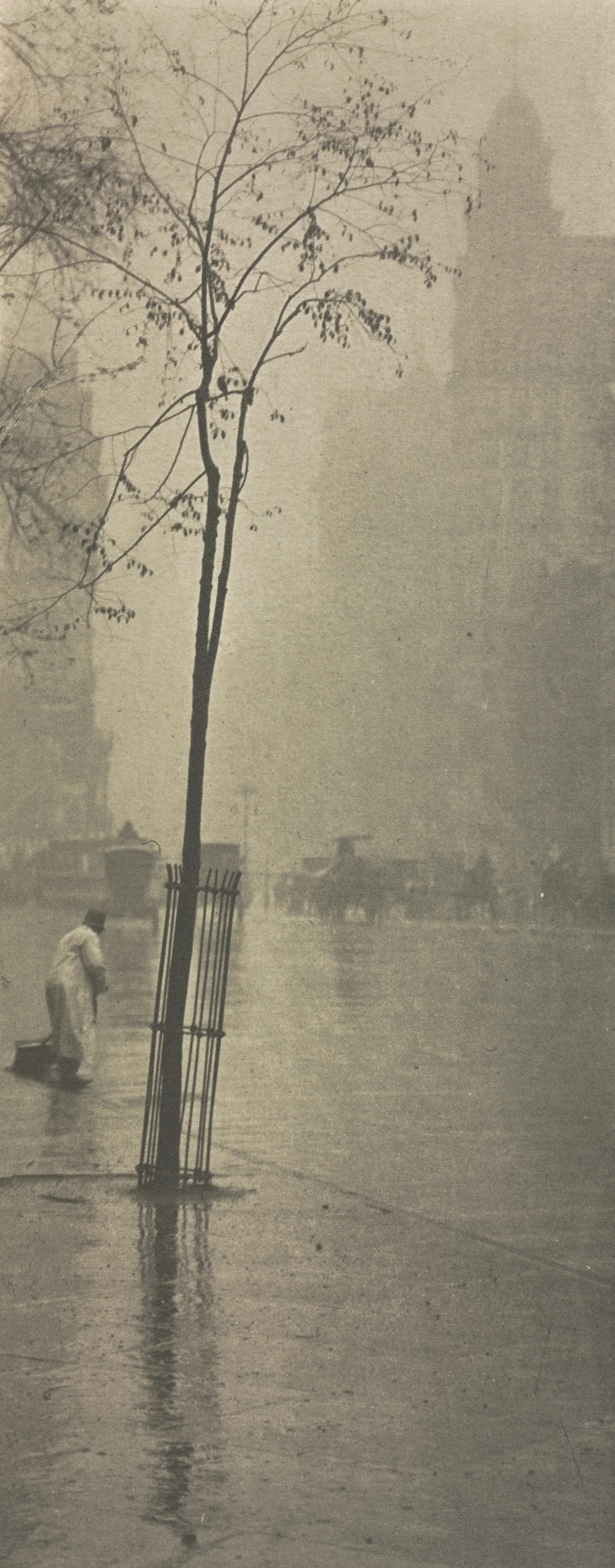
Photographed in 1900 on Madison Square, Spring Showers shows a lone street sweeper and a slender, newly planted tree silhouetted against a curtain of rain, while blurred horse-drawn traffic dissolves into the wet pavement. Stieglitz waited in the storm for the precise atmospheric register he was after — the rain itself becomes a tonal veil between the camera and the city. The image was first issued as a photogravure in Camera Work no. 36 (October 1911) alongside The Steerage, and stands as one of the most distilled statements of his pictorialist phase before the modernist turn. The vertical orientation, the assertive negative space, and the single calligraphic tree anticipate the Japanese-print compositional logic Stieglitz, Edward Steichen and Clarence H. White had absorbed from the 1893 Chicago World's Fair Japanese pavilion. Prints are held by the Cleveland Museum of Art (Hinman B. Hurlbut Collection) and the Metropolitan Museum of Art in the Alfred Stieglitz Collection of 1933 — the donation that anchored MoMA, MET and the National Gallery as the three custodial pillars of Stieglitz's authorised editions. At Maison Picturale, this print can be reinterpreted today as a platine-palladium tirage on 640 gsm cotton paper: the noble-metal range carries the long mid-tone scale of the original photogravure without the toxic intaglio plates, while a charbon (carbon transfer) transposition would deepen the wet blacks and re-create the matte, deposit-rich surface that the photogravure approximated by chemical means. Both routes use Vision Picturale's reformulated non-toxic chemistry, the transverse USP of the Maison Picturale atelier.

Original held at : Cleveland Museum of Art · Metropolitan Museum of Art

Reference file source : Cleveland Museum of Art via Wikimedia Commons (Public Domain)
The Net Mender — Alfred Stieglitz

1894 · Photogravure

The Net Mender

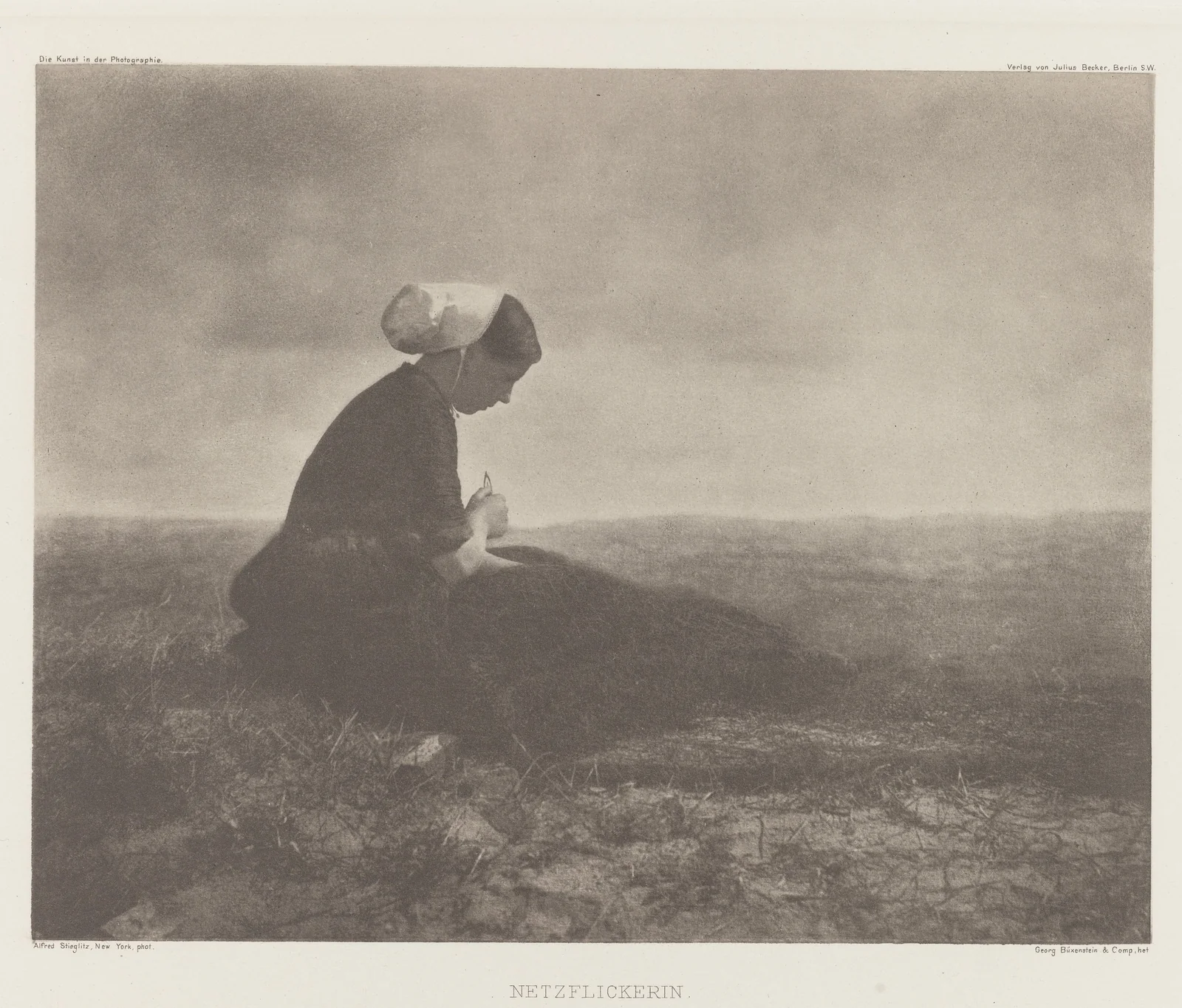
Made in 1894 at Katwijk aan Zee on the Dutch North Sea coast during Stieglitz's European travels, The Net Mender depicts a fisherwoman patiently repairing a net stretched across her lap. Stieglitz himself singled out the print as one of the finest achievements of his pictorialist decade, comparing his immersion in the Katwijk fishing village to a moral apprenticeship in observation. The figure is set against a low horizon under a vast Dutch sky — a compositional debt to seventeenth-century Hague-school painting that the Photo-Secession would later codify as a pictorialist axiom. Issued as a large photogravure in Camera Notes (the predecessor of Camera Work) and reissued in Picturesque Bits of New York and Other Studies (1897), the image was central to Stieglitz's argument that photography could approach the dignity of Millet-era genre painting. Edward Steichen, who would meet Stieglitz in 1900 and become his closest collaborator at 291 and Camera Work, identified the Katwijk campaign as one of the formative references he had absorbed before joining the Photo-Secession in 1902. Prints are held by the Rijksmuseum (object BI-F-B0447-2-1-5) as a direct legacy of the Katwijk campaign, and by the Metropolitan Museum of Art within the Alfred Stieglitz Collection donated in 1933. At Maison Picturale, this Dutch pictorialist tableau would today be reprinted as a platine-palladium tirage on 640 gsm cotton paper — the noble-metal procédé Stieglitz himself adopted by 1903 for his most considered prints, offering the longest tonal scale of any analog photography without the chromium VI of historic gum bichromate. A charbon (carbon transfer) transposition would emphasise the textile texture of the net and the deposit weight of the woman's woollen shawl, in Vision Picturale's reformulated non-toxic chemistry.

Original held at : Rijksmuseum · Metropolitan Museum of Art

Reference file source : Rijksmuseum via Wikimedia Commons (Public Domain)
Snapshot — From My Window, Berlin — Alfred Stieglitz

1907 · Photogravure (printed 1907)

Snapshot — From My Window, Berlin

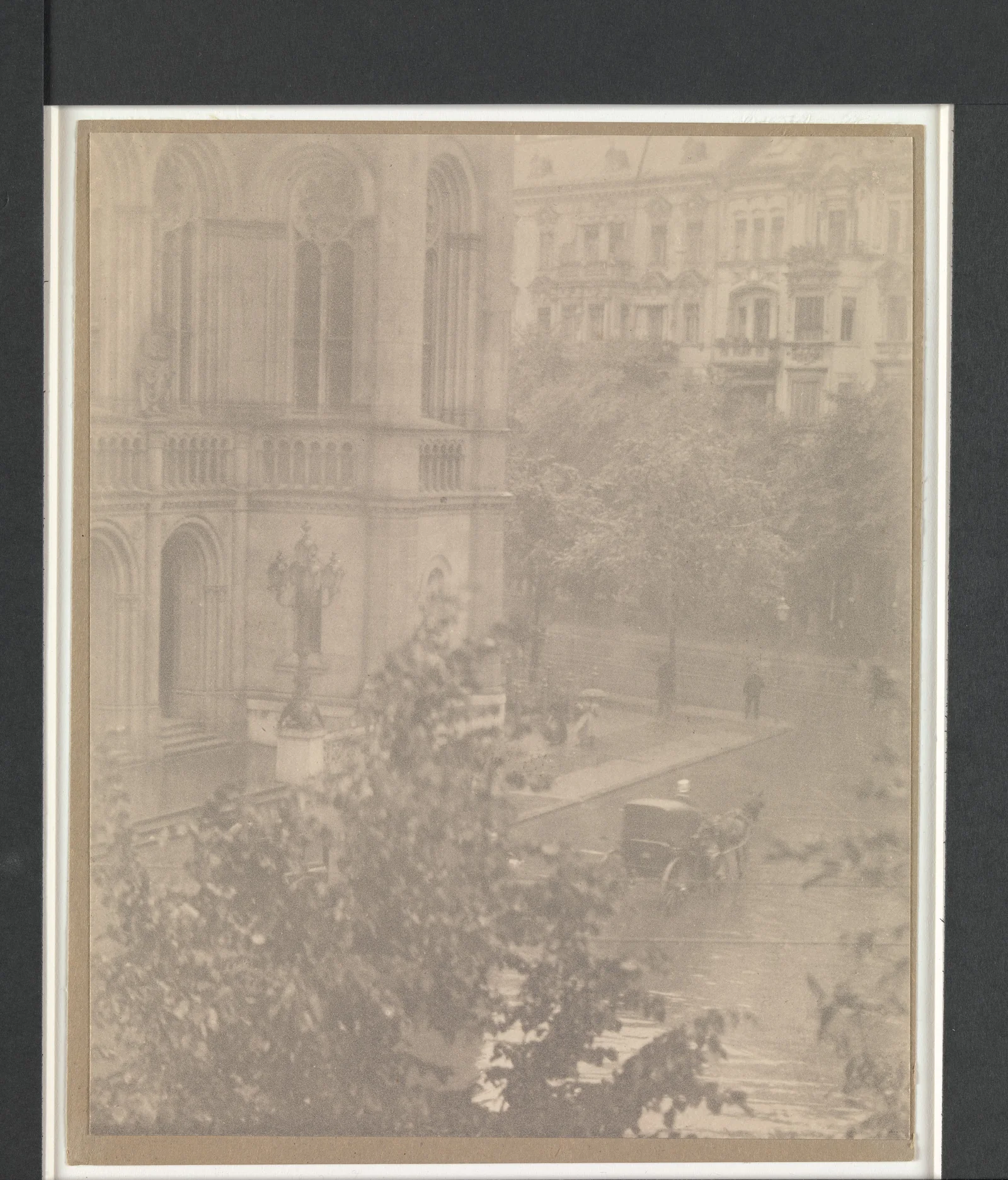
Photographed from the window of Stieglitz's Berlin apartment during his 1907 European stay (the same trip that produced The Steerage on the return voyage), this image was issued as a photogravure in 1907 and republished in Camera Work no. 36 (October 1911), the celebrated retrospective issue devoted entirely to Stieglitz's own work and edited by Edward Steichen. Stieglitz had studied in Berlin from 1882 under Hermann Wilhelm Vogel — the photochemist who invented orthochromatic sensitisation in 1873 — and the city remained a lifelong intellectual touchstone, the site where he absorbed the German photo-secessionist debates that he would import to New York. The flattened plane, the obstructed view through intervening railings and the deliberate framing on a banal urban fragment anticipate the modernist syntax Stieglitz would crystallise just months later: the verticals of the city, the snapshot aesthetic decades before Cartier-Bresson and Frank canonised the form, and the abandonment of pictorialist soft focus for crisp delineation. The MET (DP244189) holds the print as part of the Alfred Stieglitz Collection donated by the photographer himself in 1933 — the foundational gift of 419 prints that anchored the museum's twentieth-century photography department. At Maison Picturale today, the photogravure idiom — warm-tone, fine-grain, intaglio-deposited ink — finds its closest non-toxic equivalent in a platine-palladium tirage on 640 gsm cotton paper, where the noble metals deposit directly into the paper fibre as the gravure ink once did. A charbon (carbon transfer) transposition would push the print closer to the original matte, deposit-rich surface, while a gomme bichromatée variant in Vision Picturale's reformulated chromium-free recipe would reintroduce the painterly veil that Stieglitz spent the 1900s deliberately erasing.

Original held at : Metropolitan Museum of Art

Reference file source : MET Open Access via Wikimedia Commons (Public Domain)
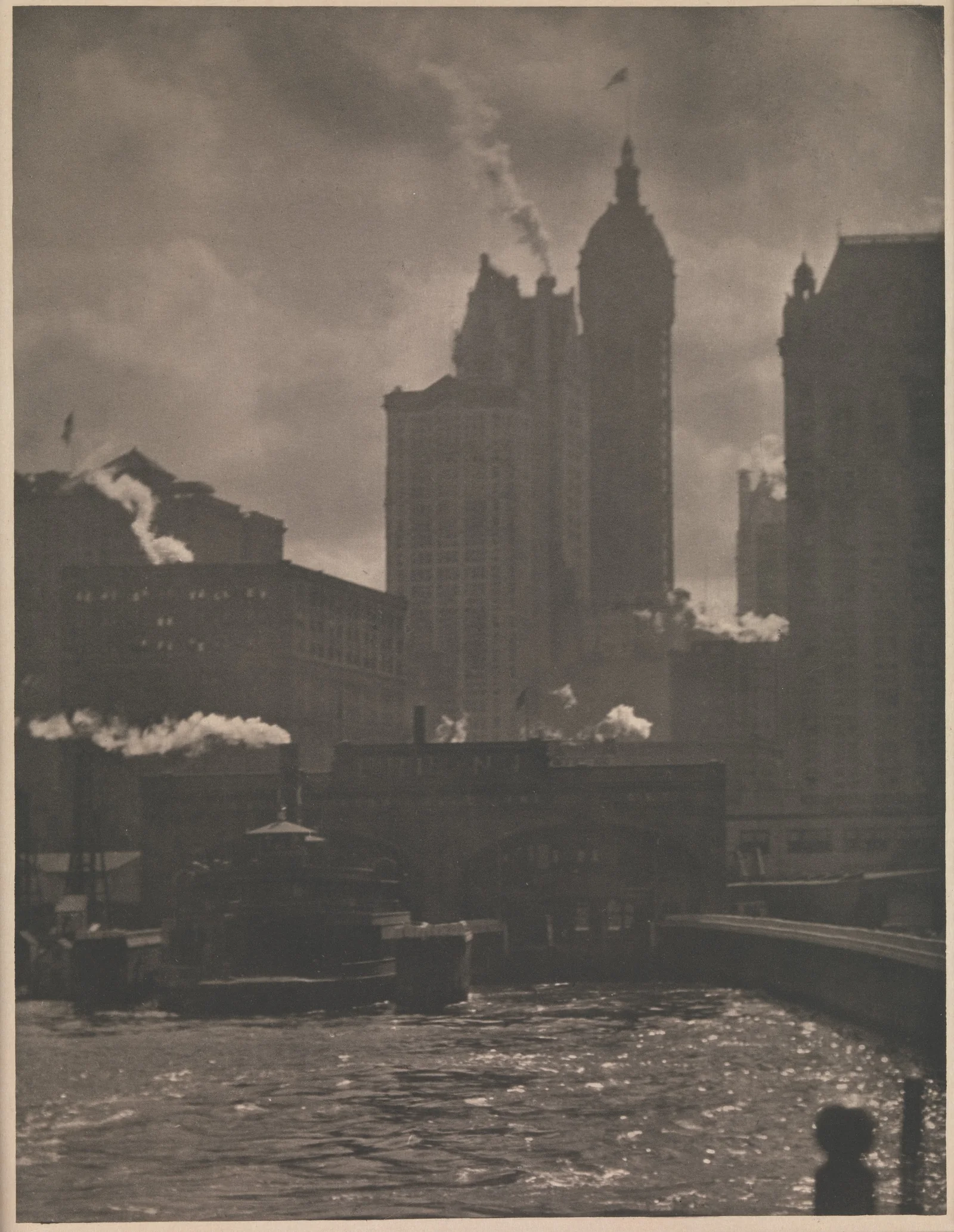
The City of Ambitions — Alfred Stieglitz

1910 · Photogravure

The City of Ambitions

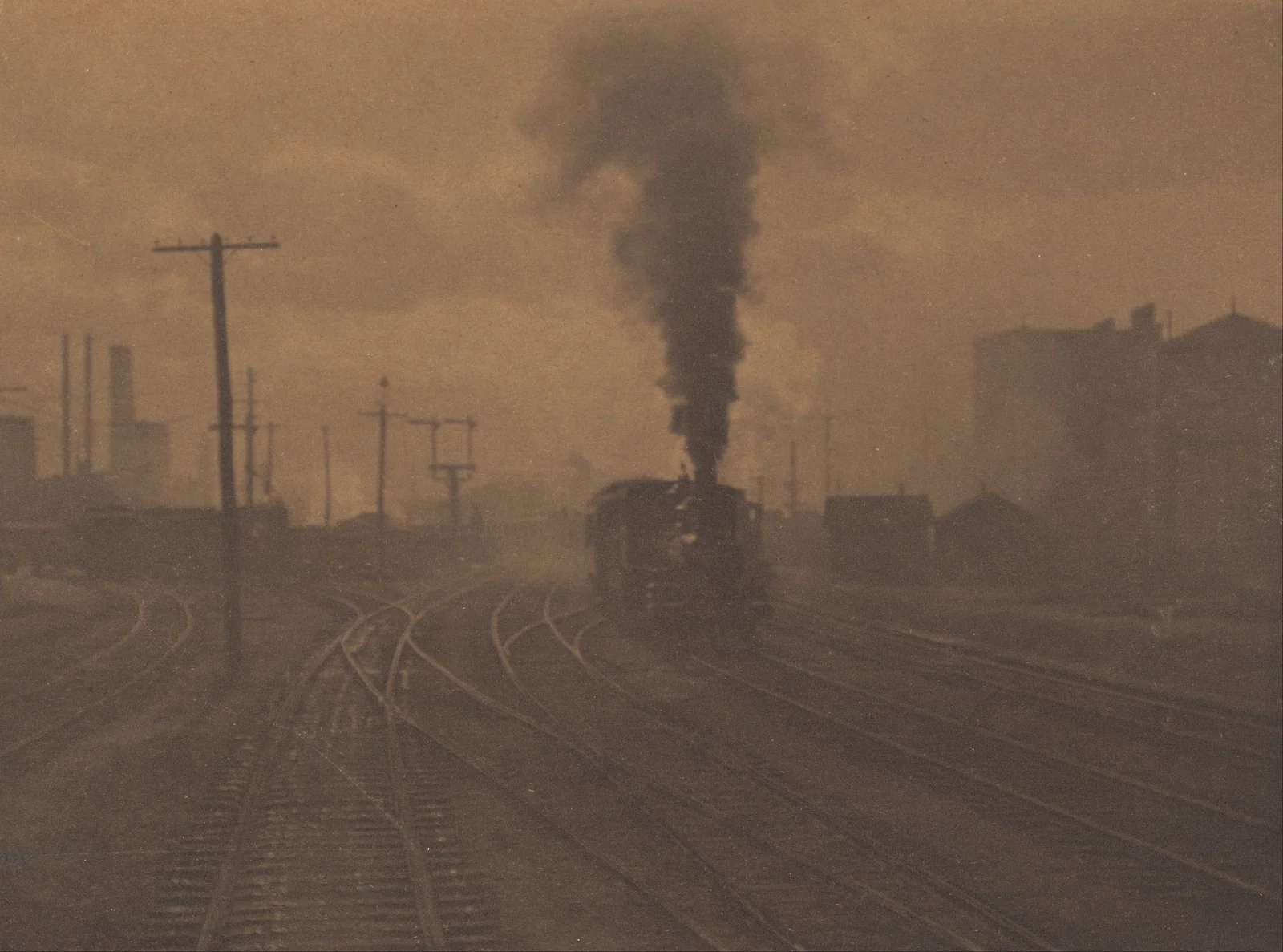
Photographed in 1910 from the New Jersey waterfront, The City of Ambitions captures the Lower Manhattan skyline rising above the Hudson River in a low haze of steam, smoke and ferry exhaust. The Singer Building (then the tallest in the world), the Trinity Church spire, the Bankers Trust and the just-completed City Investing Building compress into a vertical chord — Stieglitz's most explicit early manifesto for the modern American metropolis as legitimate artistic subject. The print was issued as a photogravure in Camera Work no. 36 (October 1911), the celebrated retrospective issue devoted entirely to Stieglitz's own work and edited by Edward Steichen, which retrospectively defined the pictorialist-to-modernist hinge of his career and remains the single most-cited issue of the entire Camera Work run (1903-1917). Held at the Metropolitan Museum of Art (DP232975) within the Alfred Stieglitz Collection donated in 1933, the work was framed by Stieglitz himself as a counterpart to The Hand of Man (1902) — the locomotive as industrial verb, the skyline as monumental noun. At Maison Picturale today, the warm-tone photogravure idiom transposes most faithfully into a platine-palladium tirage on 640 gsm cotton paper: the noble-metal procédé carries the long mid-tone scale Stieglitz prized — the steam dissolving into sky, the windows just legible — without the toxic intaglio plates the gravure required. A charbon (carbon transfer) alternative would deepen the silhouette-blacks and re-create the matte, deposit-rich surface; both use Vision Picturale's reformulated non-toxic chemistry, the transverse USP of the Maison Picturale atelier signed by master printers in Paris.

Original held at : Metropolitan Museum of Art

Reference file source : MET Open Access via Wikimedia Commons (Public Domain)
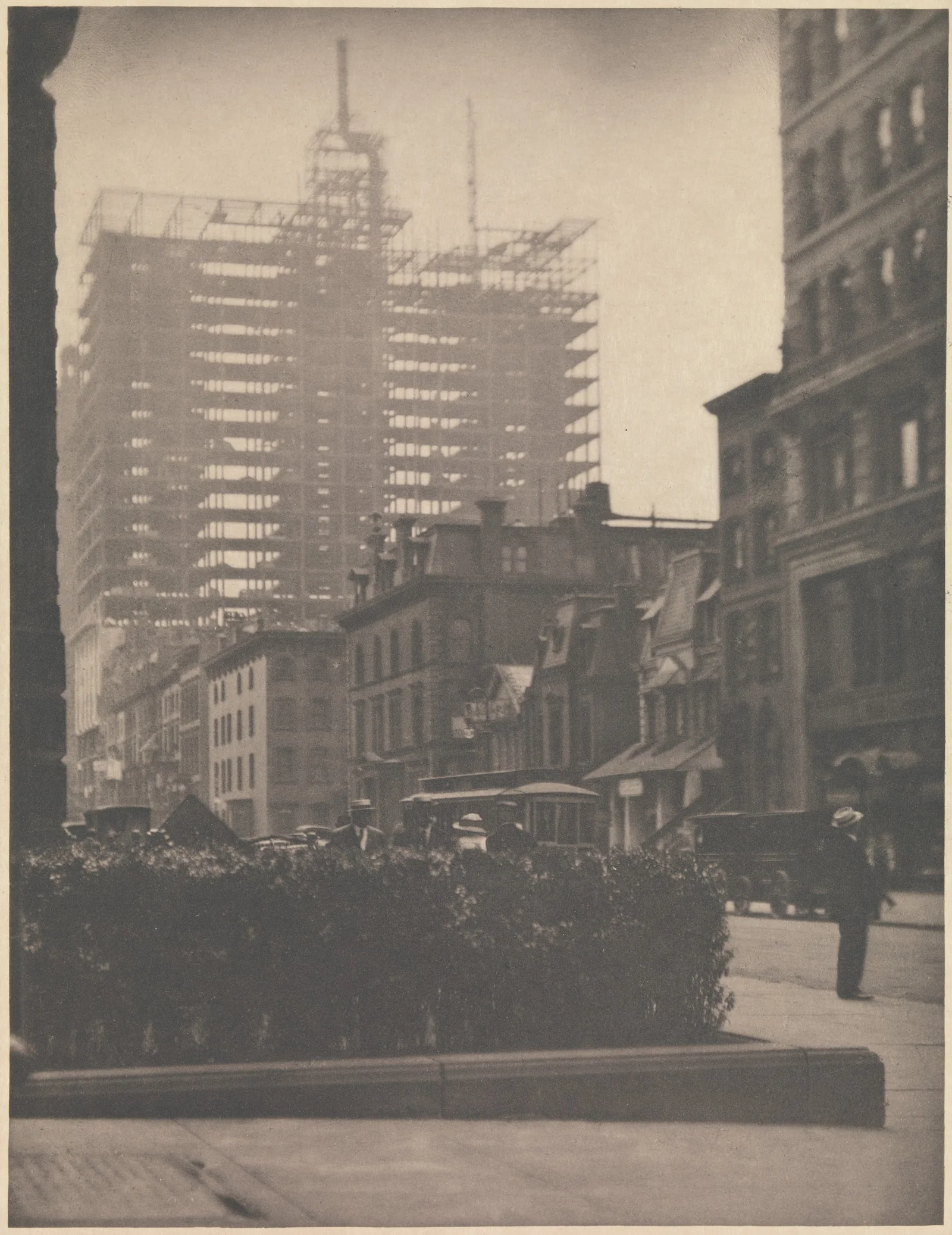
Old and New New York — Alfred Stieglitz

1910 · Photogravure

Old and New New York

Photographed in winter 1910 from the corner of Madison Avenue and 34th Street, Old and New New York opposes the steel skeleton of the rising Vanderbilt Hotel (completed 1912) against the low brownstone row in the foreground — Stieglitz's compressed essay on a city devouring its nineteenth-century fabric. The diagonal cross-bracing of the steel frame against the regular cornice line of the brownstones organises the image into two incompatible architectural languages: the artisanal masonry that built post-Civil-War New York and the curtain-wall frame logic that would define Midtown by 1930. Issued as a photogravure in Camera Work no. 36 (October 1911), the work appeared in the issue that consolidated Stieglitz's reputation as both photographer and editor at the precise moment 291 Gallery was showing Picasso (March 1911), Matisse (April 1908 and February 1912) and Brancusi (March 1914) for their first American audiences. The Metropolitan Museum of Art (DP232976) holds the print within the Alfred Stieglitz Collection — 419 prints donated by the photographer in 1933 that founded the museum's photography department, supplemented in 1949 by the Georgia O'Keeffe gift that established the National Gallery's Key Set of 1,642 prints. At Maison Picturale today, the photogravure warm-tone idiom transposes most faithfully into a platine-palladium tirage on 640 gsm cotton paper: the noble metals deposit directly into the paper fibre and carry the long tonal arc from the bright steel girders to the deep shadows of the brownstone cornices. A charbon (carbon transfer) alternative would emphasise the matte deposit and the mineral weight of the masonry, both routes built on Vision Picturale's reformulated non-toxic chemistry.

Original held at : Metropolitan Museum of Art

Reference file source : MET Open Access via Wikimedia Commons (Public Domain)
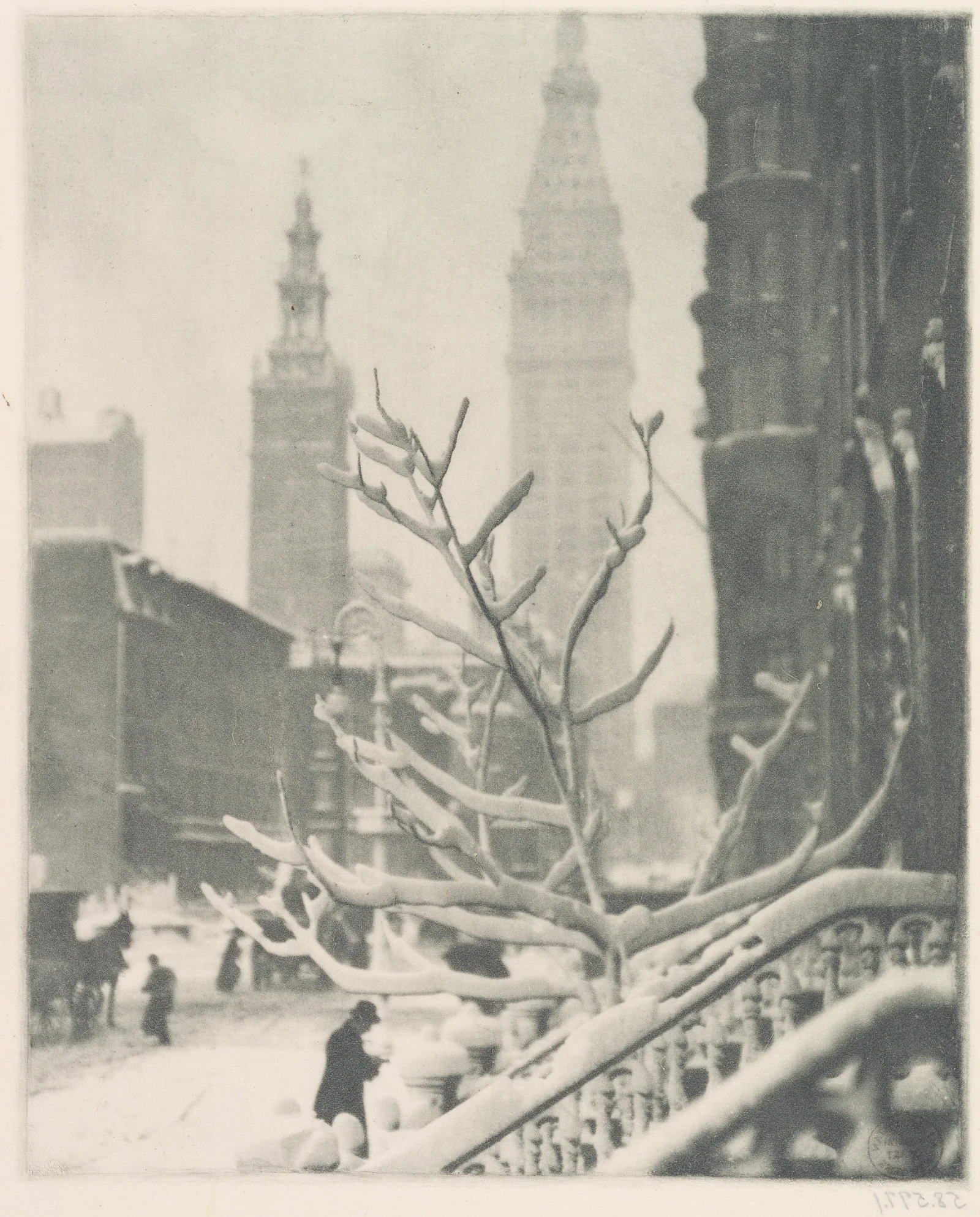
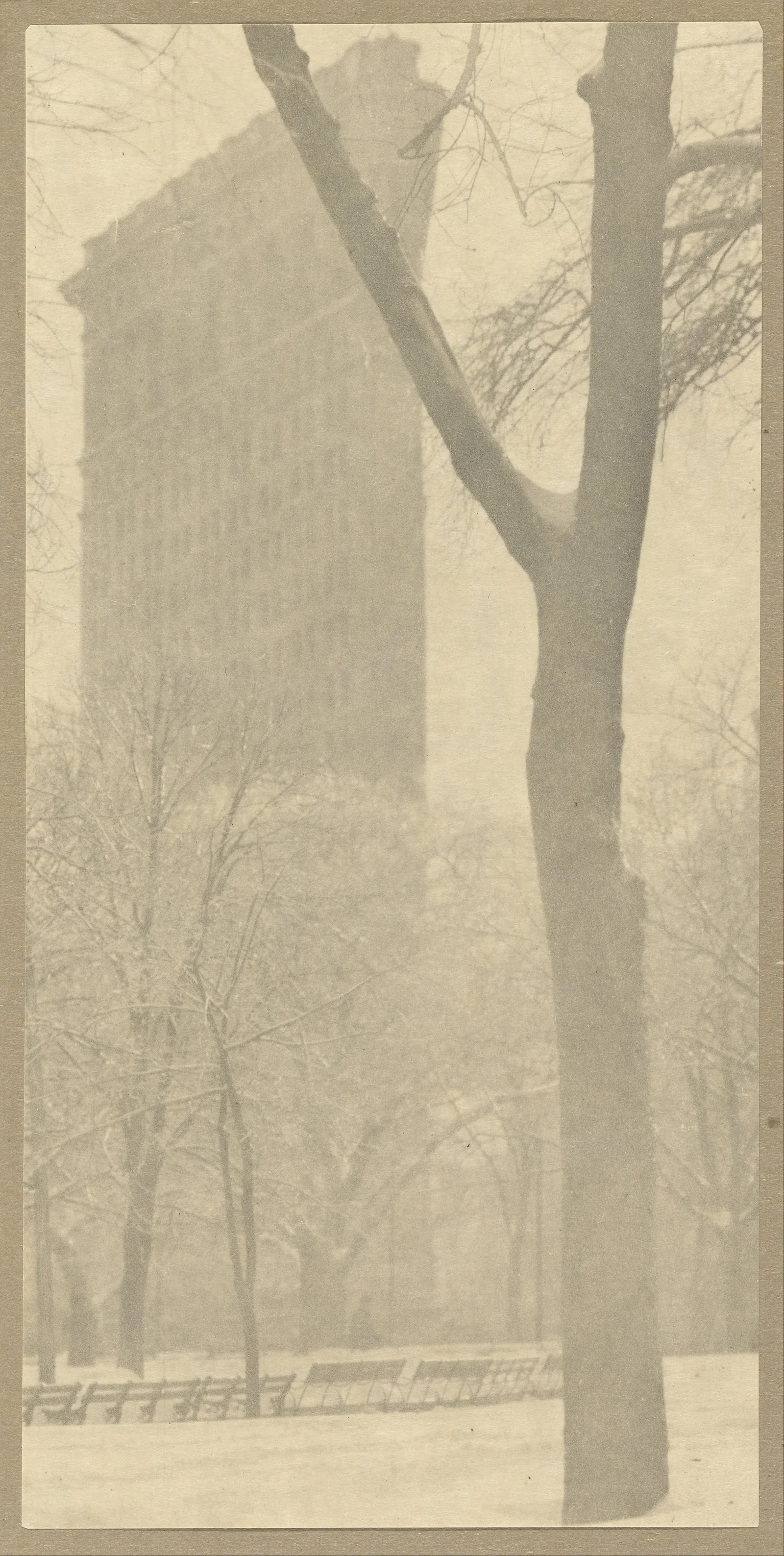
Two Towers — New York — Alfred Stieglitz

1911 · Photogravure

Two Towers — New York

Photographed in 1911 from Madison Square, Two Towers — New York frames two newly built skyscrapers — the Metropolitan Life Insurance Tower (1909, briefly the tallest building in the world at 213 metres) and the adjacent Madison Square Garden tower by Stanford White — looming above the low-rise downtown grain. The image, issued as a photogravure in Camera Work no. 36 (October 1911), encapsulates early twentieth-century urban modernity: the vertical race that defined New York between the Singer Building (1908) and the Woolworth (1913) compressed into a single tonal exercise. Stieglitz framed the two towers high in the image so the surrounding city becomes the actual subject — a compositional gesture Walker Evans and Berenice Abbott would inherit twenty years later as the syntax of American urban documentary. The Metropolitan Museum of Art (DP257101) holds the print within the Alfred Stieglitz Collection donated by the photographer himself in 1933, the foundational gift of 419 prints that established the museum as a primary repository for his authorised editions, alongside the National Gallery's Key Set of 1,642 prints donated by Georgia O'Keeffe between 1949 and 1980. At Maison Picturale today, the photogravure idiom — warm tone, fine grain, intaglio-deposited ink — transposes most faithfully into a platine-palladium tirage on 640 gsm cotton paper: the noble-metal procédé delivers the long mid-tone scale Stieglitz required for the haze-modulated city air, without the toxic intaglio plates the gravure once demanded. A charbon (carbon transfer) alternative would push the print toward the matte deposit-rich surface of the original, both routes built on Vision Picturale's reformulated non-toxic chemistry.

Original held at : Metropolitan Museum of Art

Reference file source : MET Open Access via Wikimedia Commons (Public Domain)
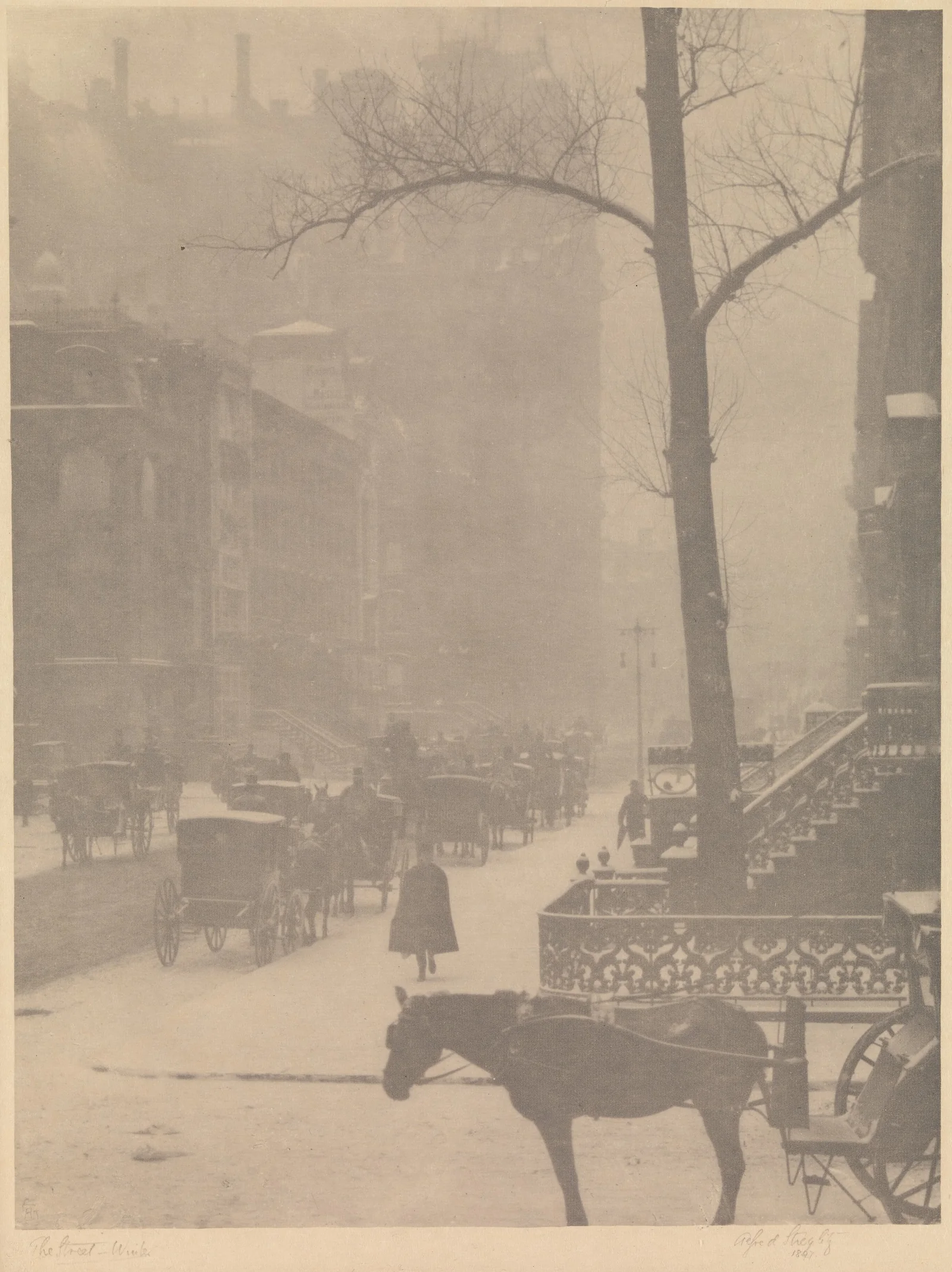
The Street, Fifth Avenue — Alfred Stieglitz

1900-1901 · Photogravure (negative 1900-01, printed 1903-04)

The Street, Fifth Avenue

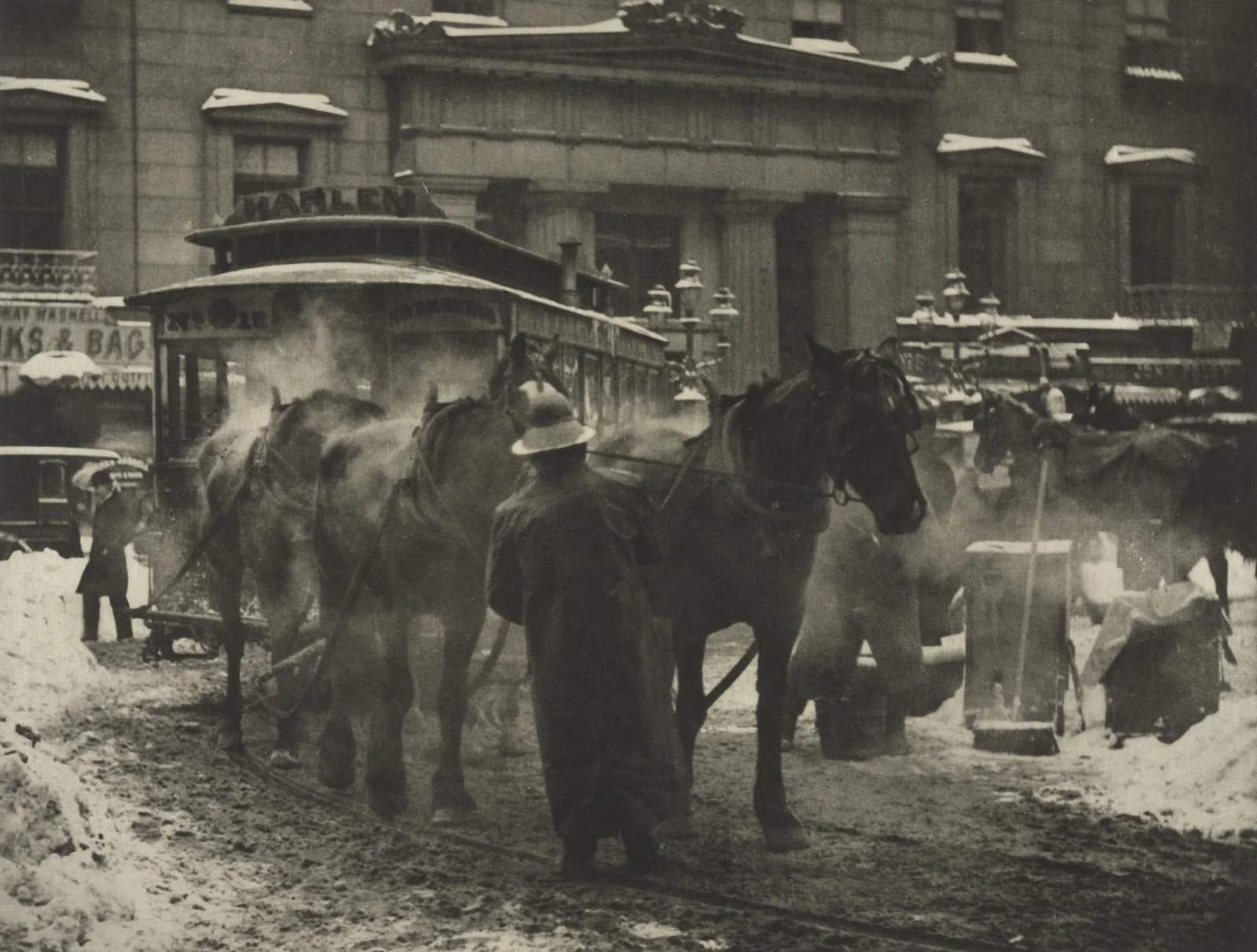
Negative made in winter 1900-1901 on Fifth Avenue at dusk, printed as a photogravure in Camera Work no. 5 (January 1904) — Stieglitz's chosen contribution to the very first year of his own journal, founded in January 1903 as the official organ of the Photo-Secession he had formed at the National Arts Club only weeks earlier. A snow-muted Fifth Avenue stretches into twilight, punctuated by gas-lamp halos and the silhouettes of hansom cabs in dissolving perspective. The image works the same Manhattan winter material as Winter, Fifth Avenue (1893) but reverses the dramaturgy: where the 1893 storm is frontal and muscular, the 1900 dusk is recessive and elegiac — the city as a Whistlerian Nocturne. Camera Work no. 5 published the photogravure alongside Stieglitz's editorial defence of pictorialism against straight-photography critics, making this print a load-bearing argument in the magazine's manifesto phase. The Metropolitan Museum of Art (DP232987) holds the print within the Alfred Stieglitz Collection donated in 1933, the legacy gift of 419 prints that founded the museum's photography department. At Maison Picturale today, the muted twilight tonal scale of this photogravure transposes most faithfully into a platine-palladium tirage on 640 gsm cotton paper: the noble-metal procédé carries the longest mid-tone range of any analog photography — the precise register required for snow under gaslight. A charbon (carbon transfer) alternative would push the print toward the matte deposit-rich surface the photogravure once approximated by chemical means; both routes are built on Vision Picturale's reformulated non-toxic chemistry, the transverse USP of the Maison Picturale atelier signed by master printers in Paris.

Original held at : Metropolitan Museum of Art

Reference file source : MET Open Access via Wikimedia Commons (Public Domain)
12 of 20 works

The documented corpus

The rest of Alfred Stieglitz's public-domain corpus: plates kept in our editorial archives. Reproducible on request, without dedicated editorial study.

5 archived plates

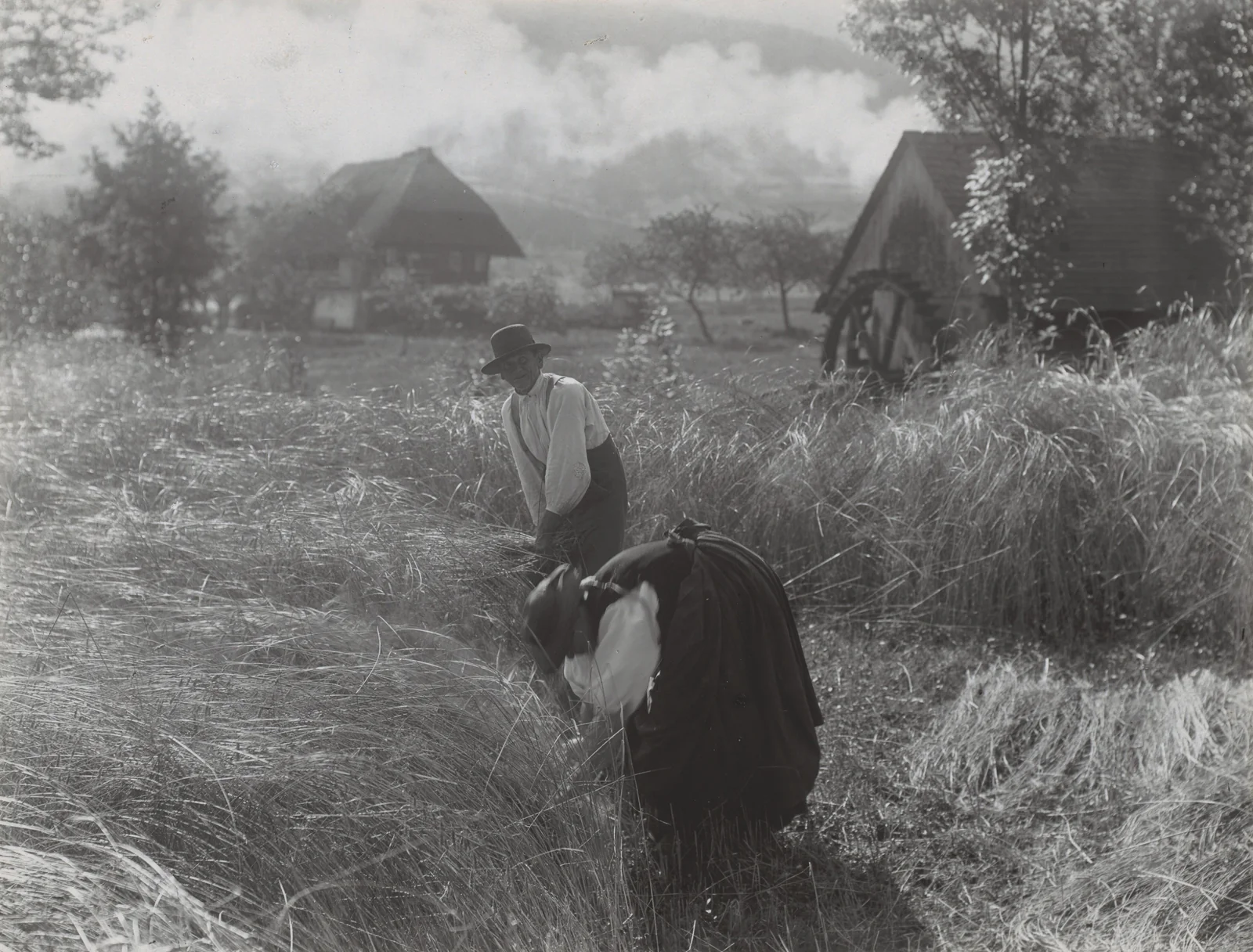
Harvesting, Black Forest — Alfred Stieglitz

1894

Harvesting, Black Forest

Gelatin silver print (negative 1894, printed 1929-1934)

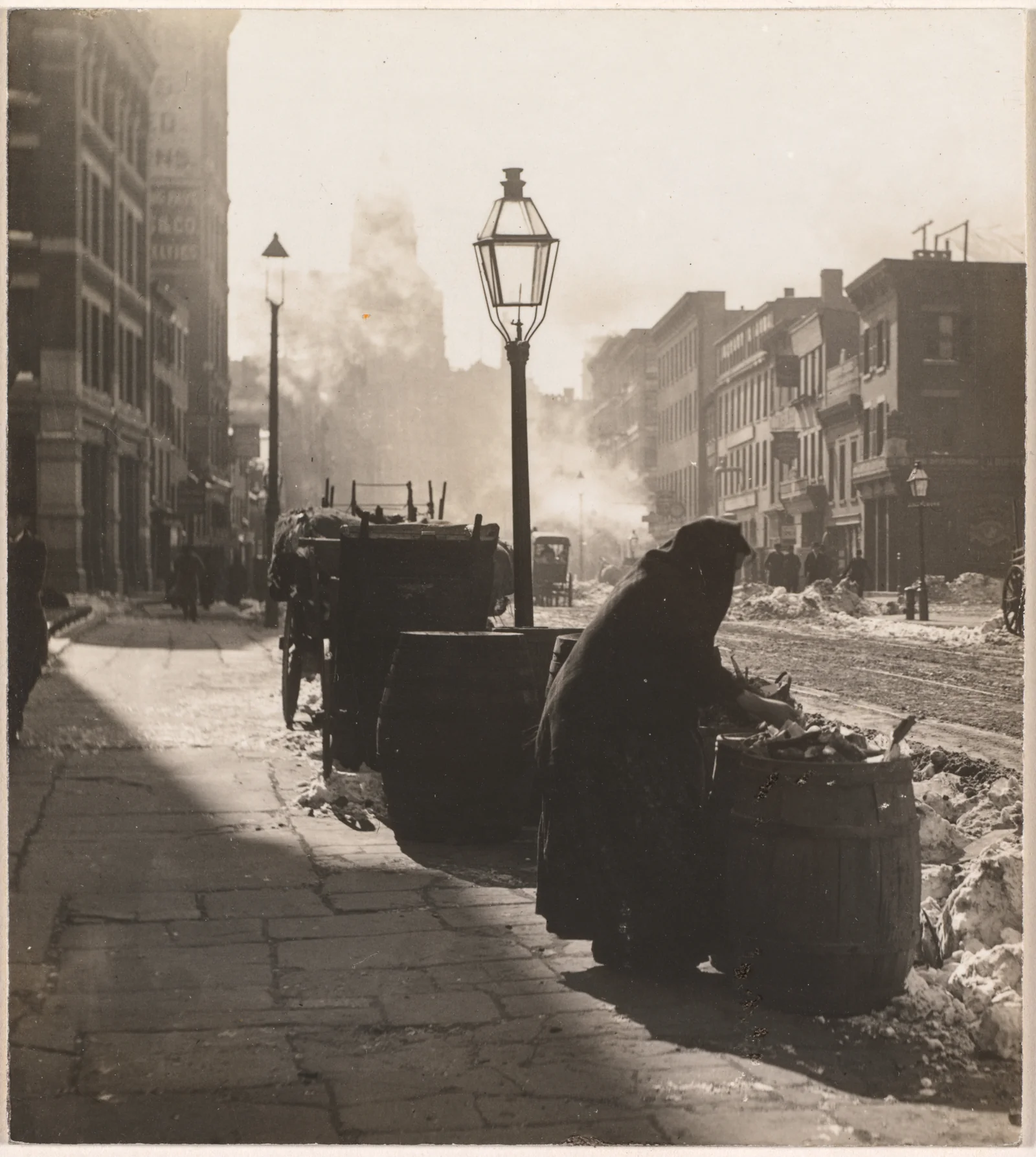
The Rag Picker — Alfred Stieglitz

1892

The Rag Picker

Photogravure

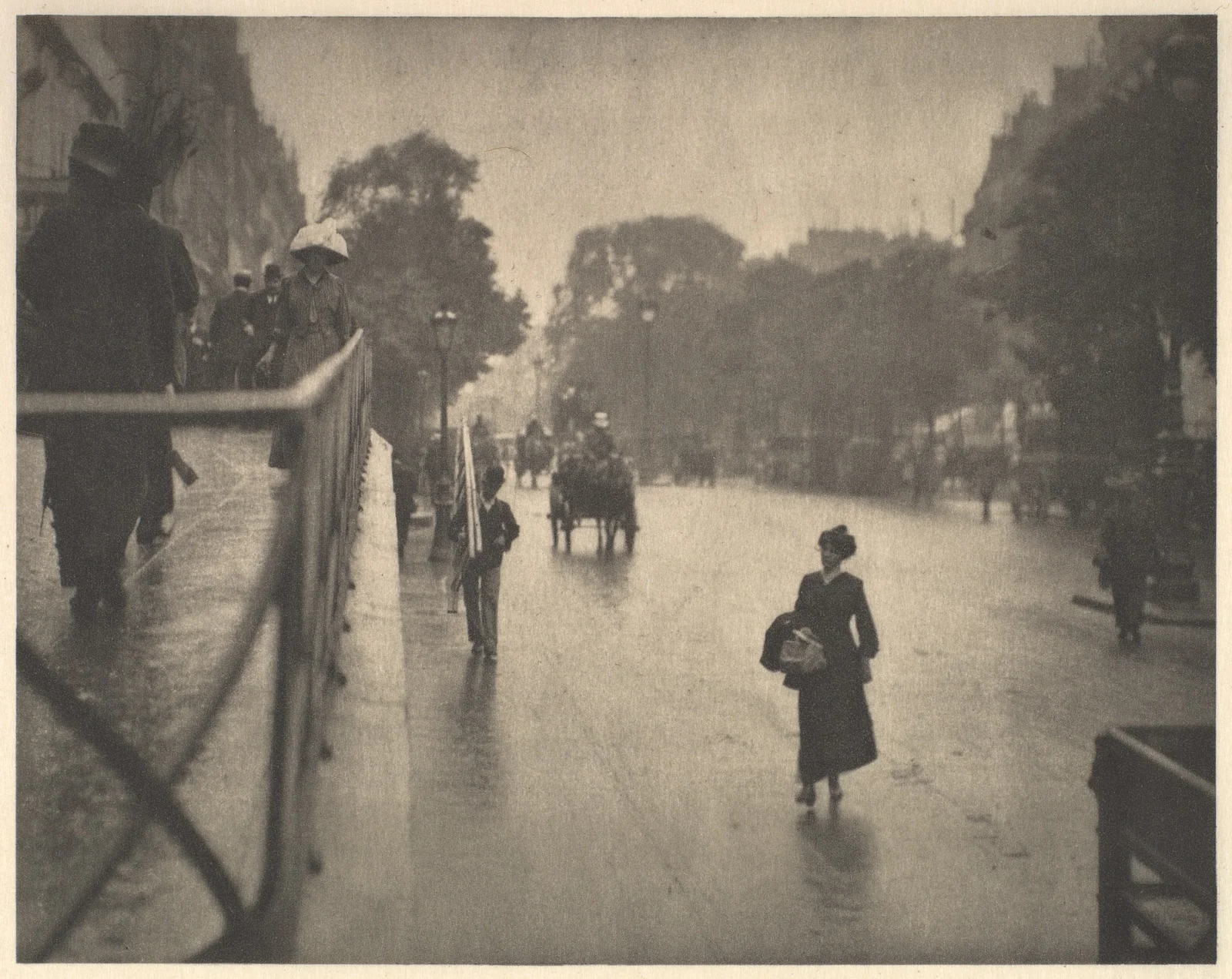
A Snapshot, Paris — Alfred Stieglitz

1911

A Snapshot, Paris

Photogravure

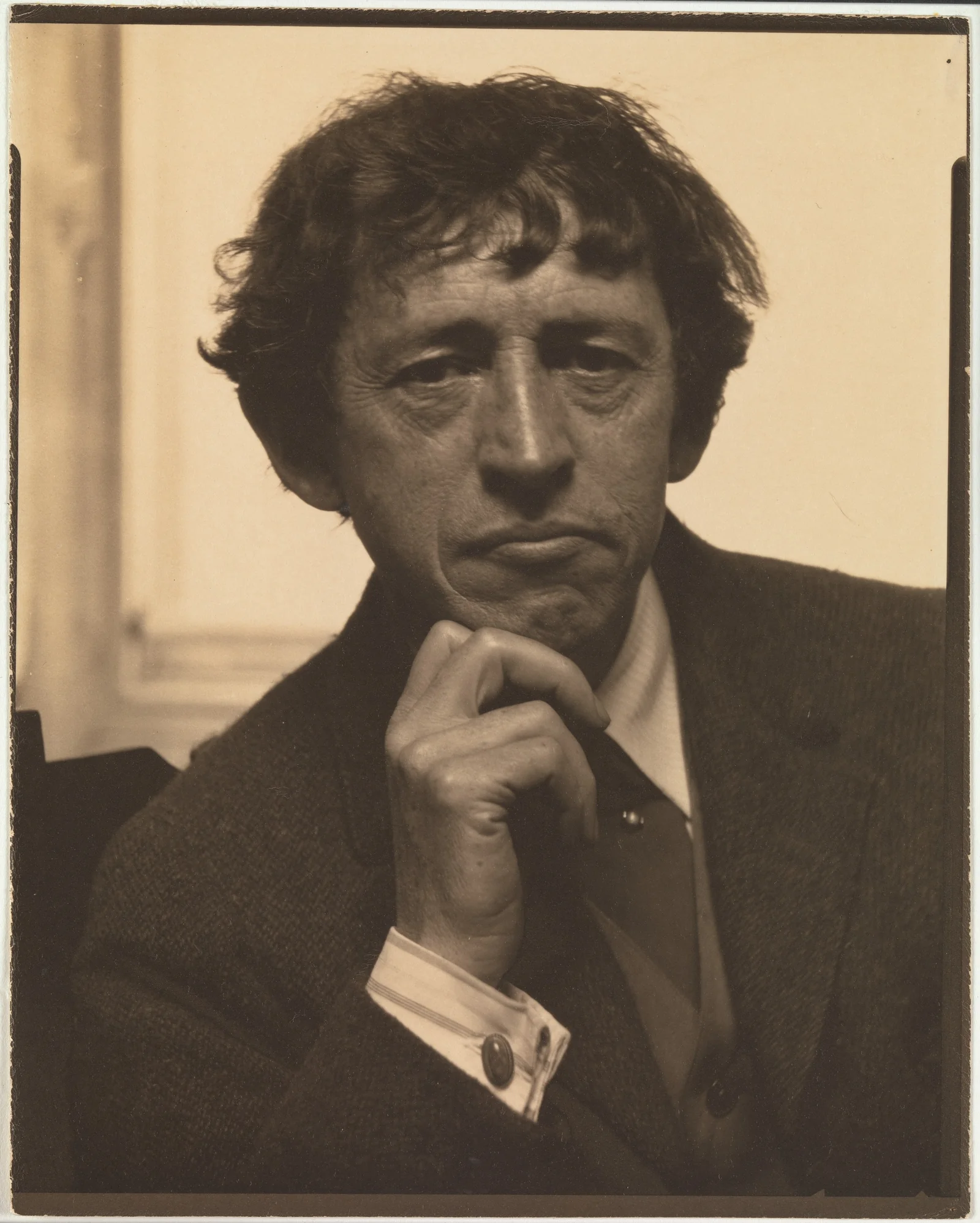
John Marin — Alfred Stieglitz

1921-1922

John Marin

Palladium print

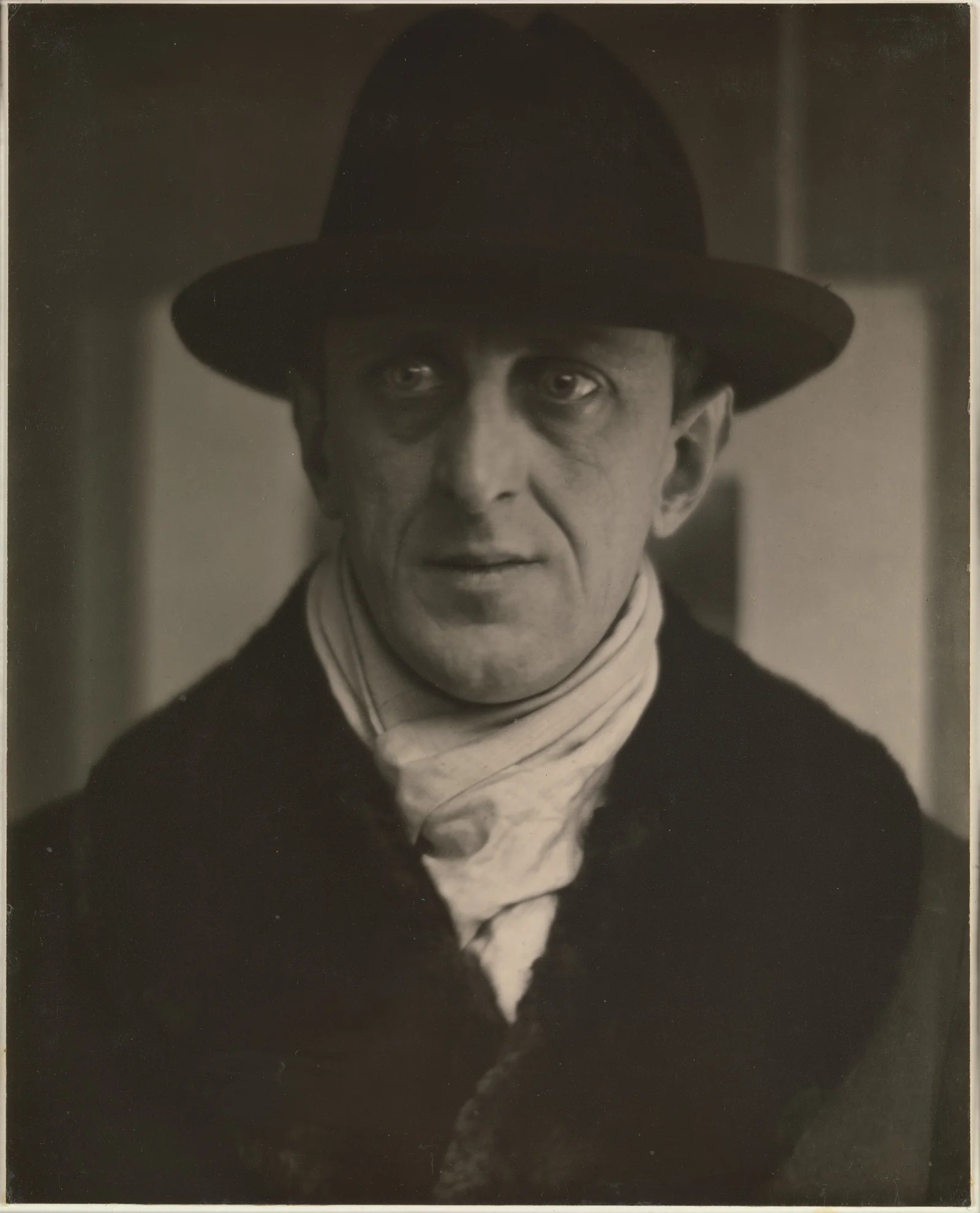
Marsden Hartley — Alfred Stieglitz

1916

Marsden Hartley

Gelatin silver print

Commission a print after Alfred Stieglitz

Maison Picturale produces on commission contemporary prints after works by Alfred Stieglitz that have entered the public domain. Hand-printed by master printers Tristan Sidem and Raphaël Lebas de Lacour on 640 gsm cotton paper, signed and numbered in limited edition, with a certificate of authenticity explicitly mentioning the "after" nature of the reinterpretation.

Start a commission