Ce site utilise des cookies d'analyse pour améliorer votre expérience. En savoir plus

Skip to main content
Robert Demachy
Library

1859-1936 · French

Robert Demachy

Robert Demachy (1859-1936) is the French pictorialist master, co-founder of the Photo-Club de Paris (1888) with Maurice Bucquet and member of the British Linked Ring. He defined the visual identity of gum bichromate photography and perfected the bromoil process in France — two procédés that Maison Picturale practises today with a non-toxic chemistry.

Public domain since 2007 · CPI L.123-1

Held at

  • Musée d'Orsay, Paris
  • Metropolitan Museum of Art, New York
  • George Eastman Museum, Rochester
  • Bibliothèque nationale de France (Gallica)
  • Royal Photographic Society Collection, Bradford
  • Victoria & Albert Museum, London (RPS Collection)
  • Cleveland Museum of Art
  • Photo-Club de Paris

Reference writings

  • Procédés d'art en photographie (1906, with Constant Puyo)
  • Photo-Aquatint, or the Gum-Bichromate Process (1897, with Alfred Maskell)

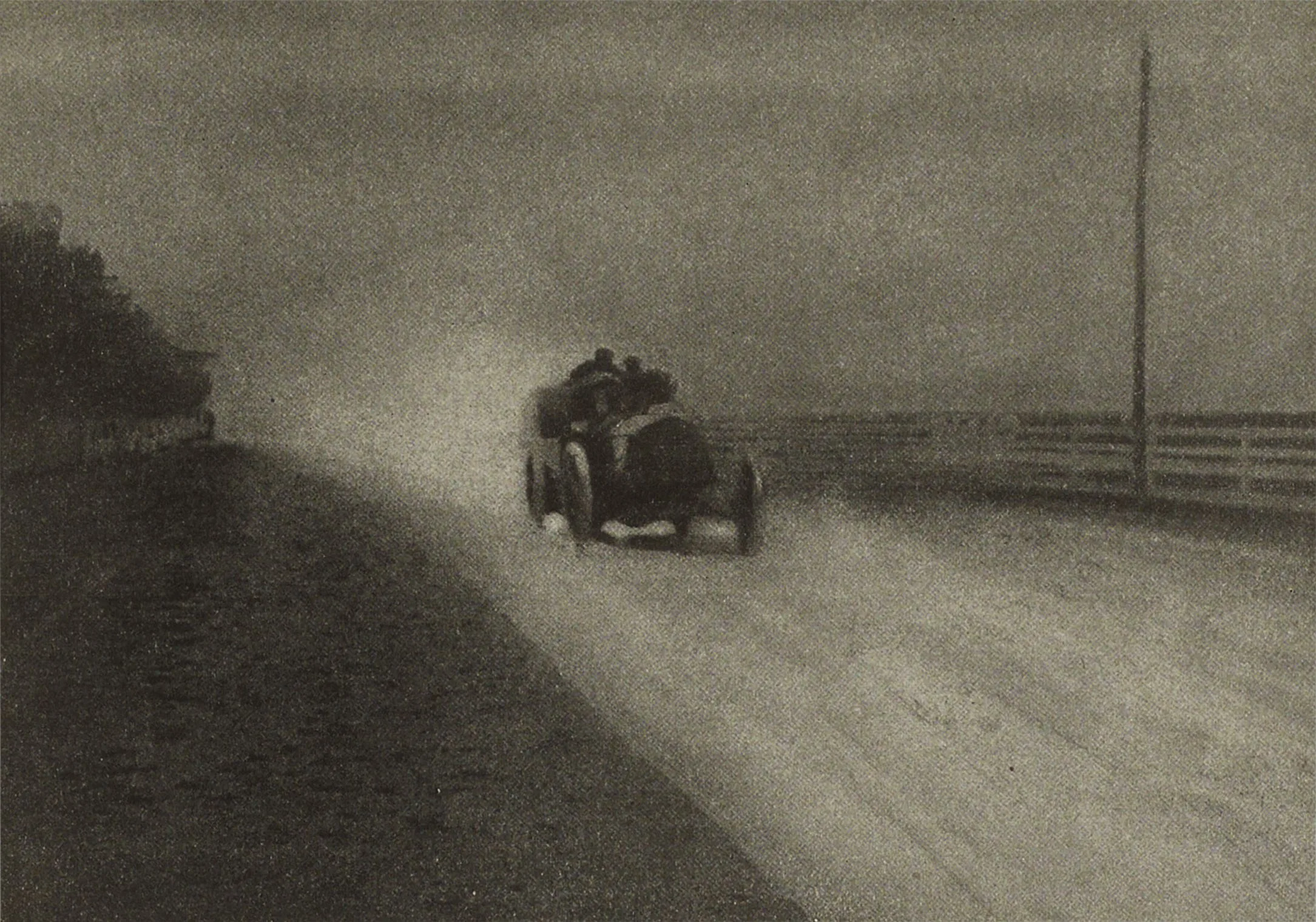
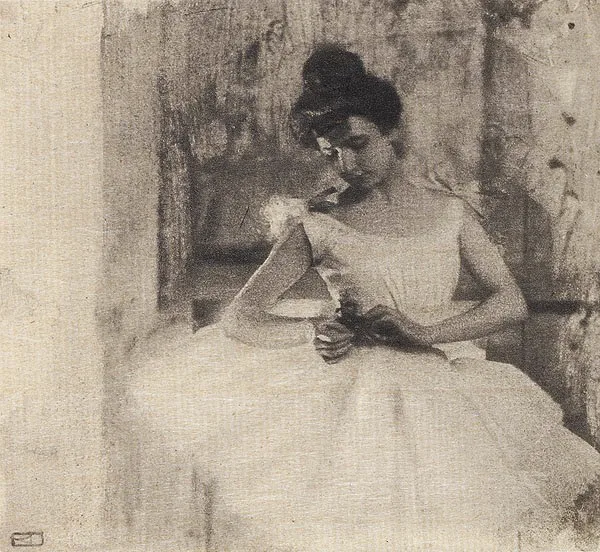
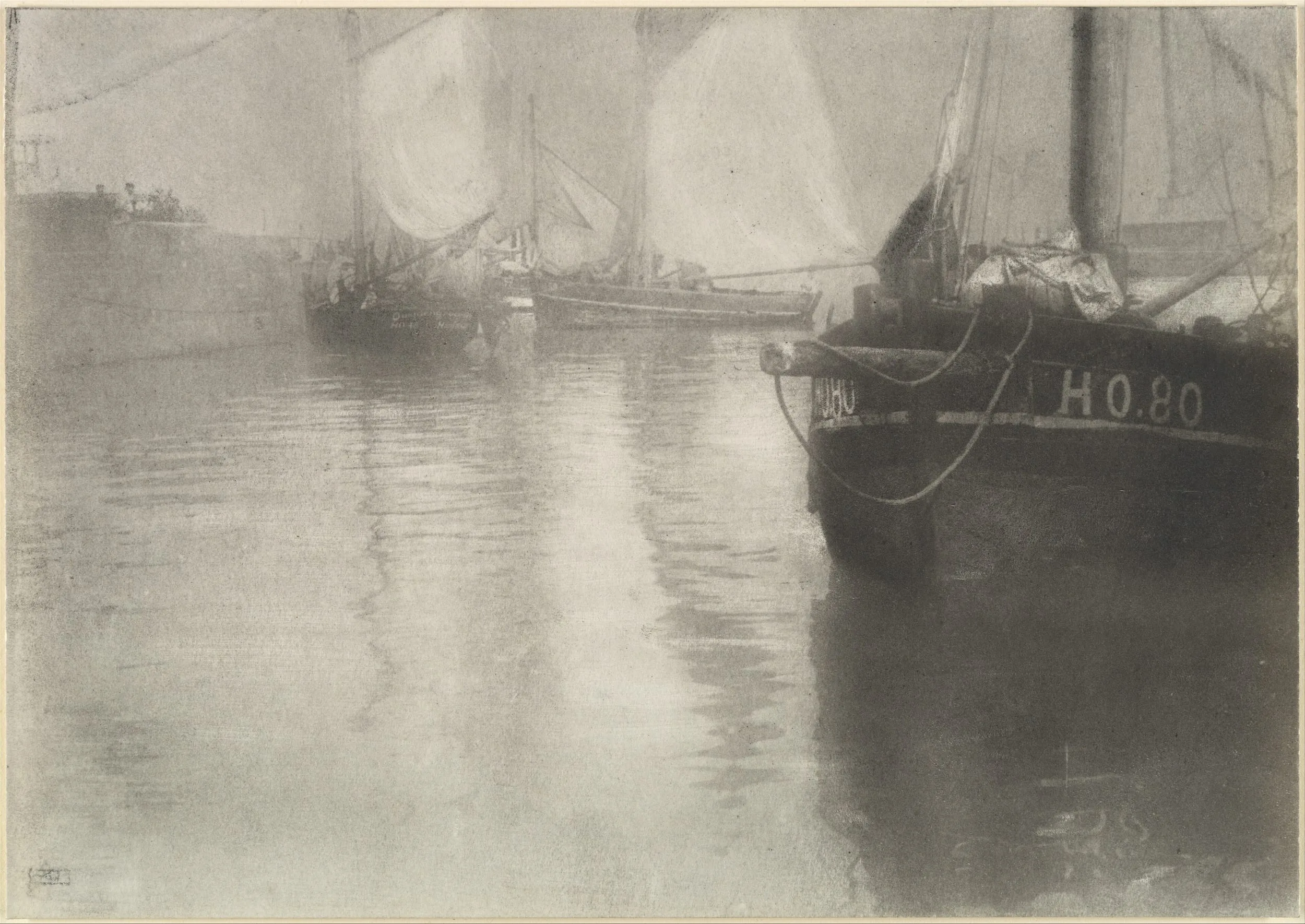
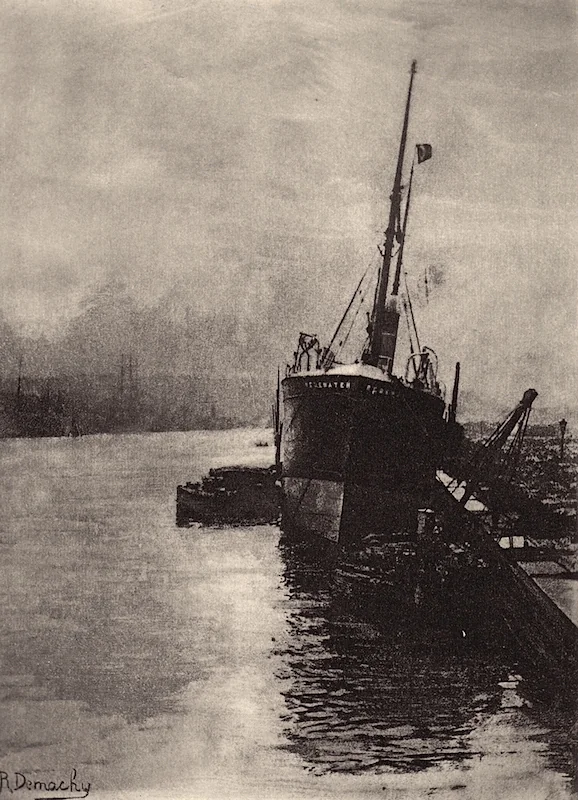
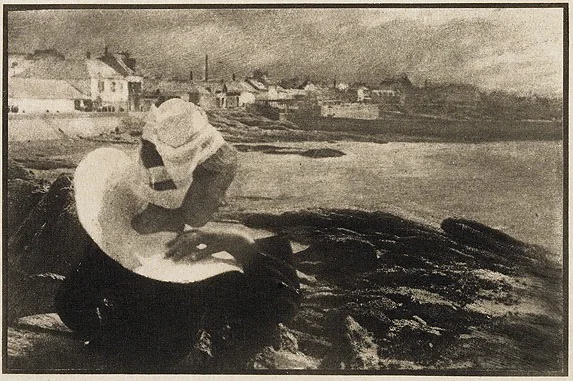
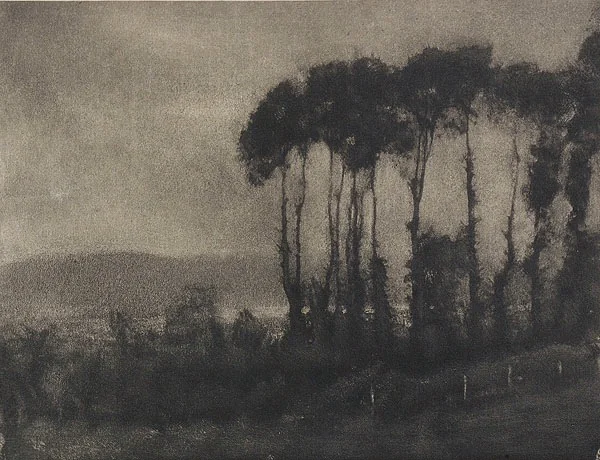
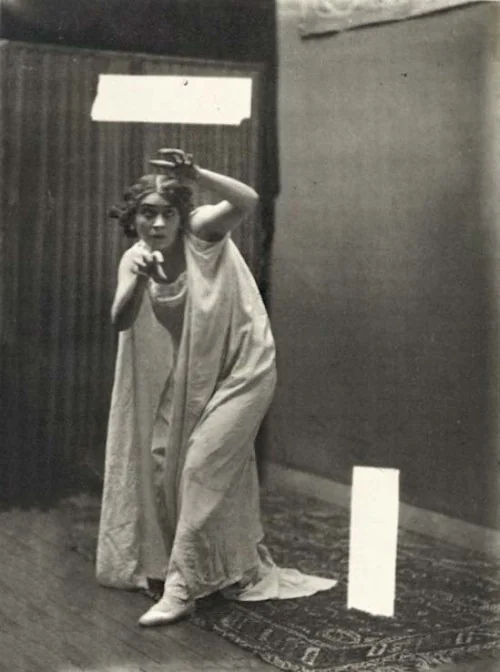
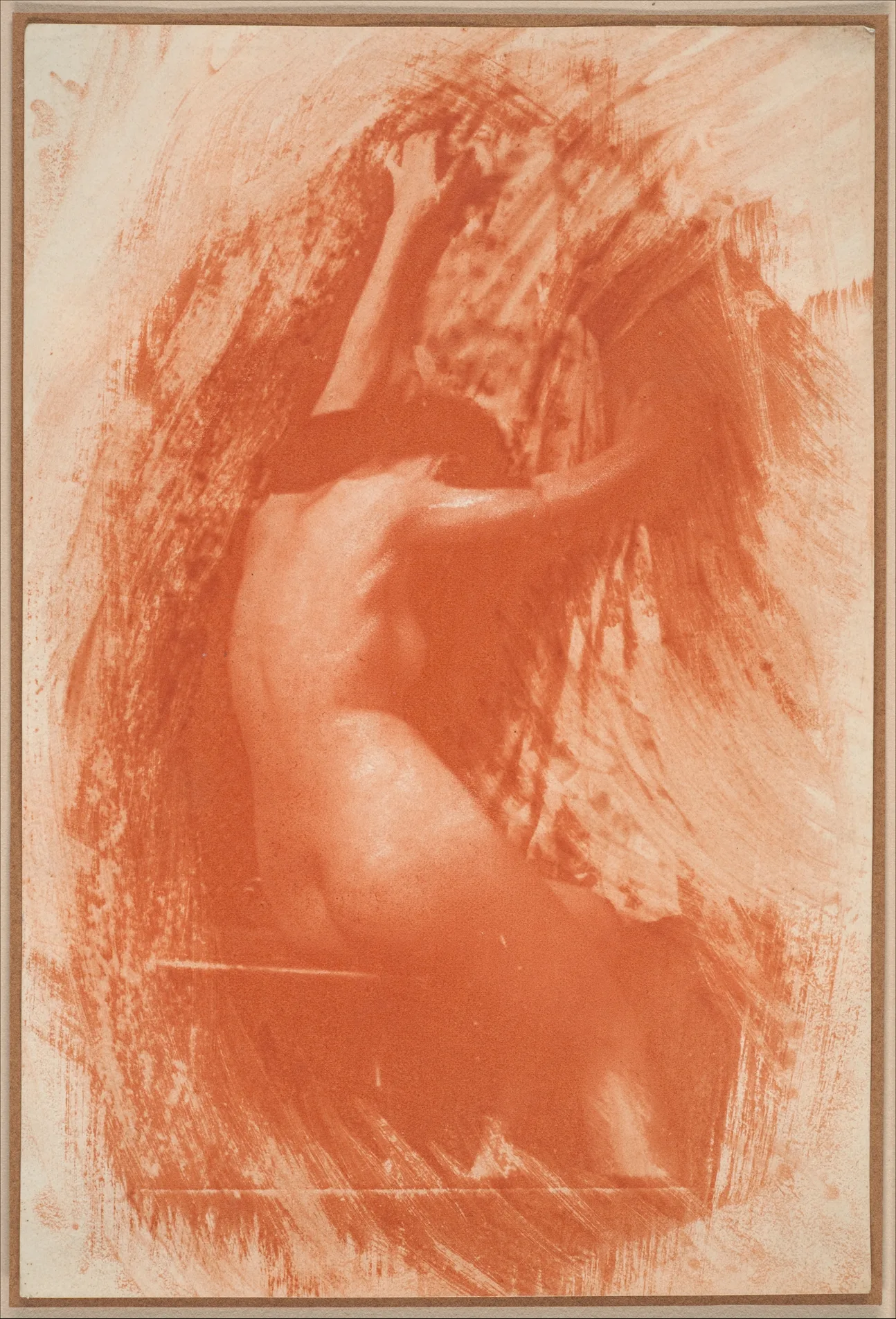
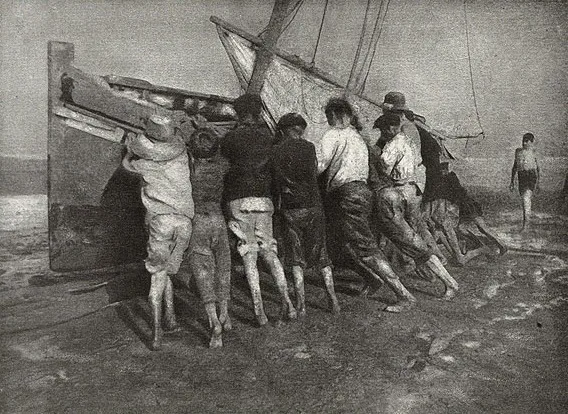
Heir to the Banque Demachy founded by his father Charles-Adolphe, Robert Demachy never had to earn a living and devoted his entire life to art photography — becoming the leading French pictorialist of the early twentieth century. He co-founded the Photo-Club de Paris in 1888 with Maurice Bucquet (Constant Puyo joined as intellectual ally and helped organise the first Paris Salon of 1894), and was elected to the British Linked Ring in 1895. He authored two reference manuals — Photo-Aquatint, or the Gum-Bichromate Process (1897, co-written with Alfred Maskell) and Procédés d'art en photographie (1906, co-written with Constant Puyo), the latter codifying gum bichromate, oil and bromoil techniques. His subjects ranged from intimate portraits and nudes to allegorical figure studies (Speed, Effort, Behind the Scenes, Struggle) and Norman landscapes around Hennequeville and the Touques valley, always with the heavy pigmentary matter and the deliberate sculpting of the image that defined pictorialism. He withdrew to Hennequeville in Normandy from the 1910s onward and, before his death in 1936, bequeathed the essential of his corpus to the Royal Photographic Society (London/Bradford) and the Photo-Club de Paris. Demachy's prints are held at the Musée d'Orsay (Paris), the Metropolitan Museum of Art (New York), the George Eastman Museum (Rochester), the Victoria & Albert Museum / RPS Collection (London/Bradford) and the Bibliothèque nationale de France via the Gallica collection. His patrimonial rights lapsed in 2007 (70 years after his death). At Maison Picturale, his works are reinterpreted in contemporary gum bichromate or bromoil prints, using the non-toxic chemistry reformulated by Vision Picturale — a sanitary modernisation of the master's signature he never knew.

Signature processes

The alternative processes practised by Robert Demachy, printed today at Maison Picturale using Vision Picturale's non-toxic reformulated chemistry.

Essential works

A curated selection of public-domain works by Robert Demachy, reinterpretable as contemporary prints by Maison Picturale's master printers. Each artwork page details the original process and its atelier equivalent.

Print after — systematic mention on the certificate of authenticity.

12 of 20 works

The documented corpus

The rest of Robert Demachy's public-domain corpus: plates kept in our editorial archives. Reproducible on request, without dedicated editorial study.

3 archived plates

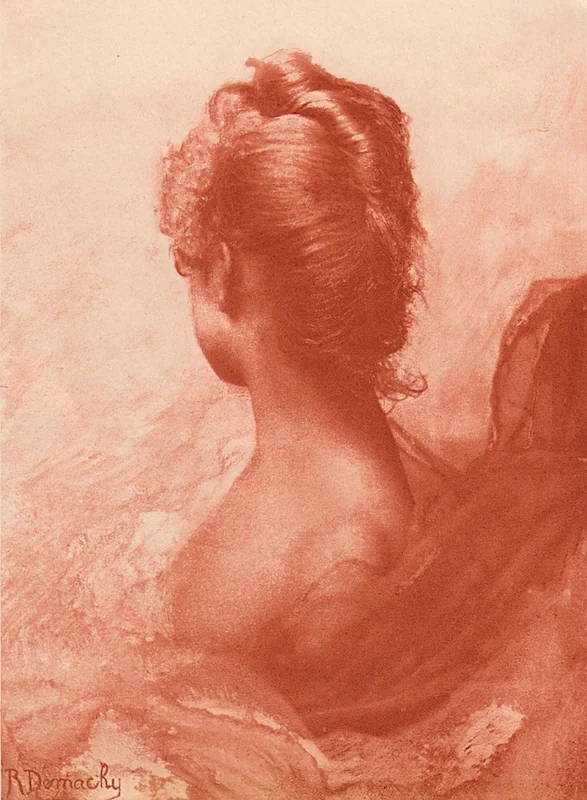
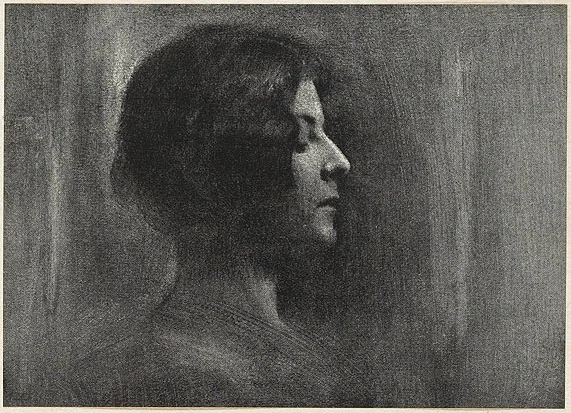
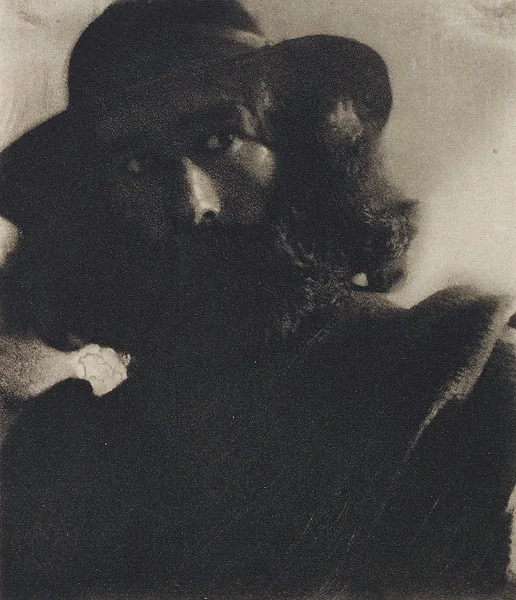
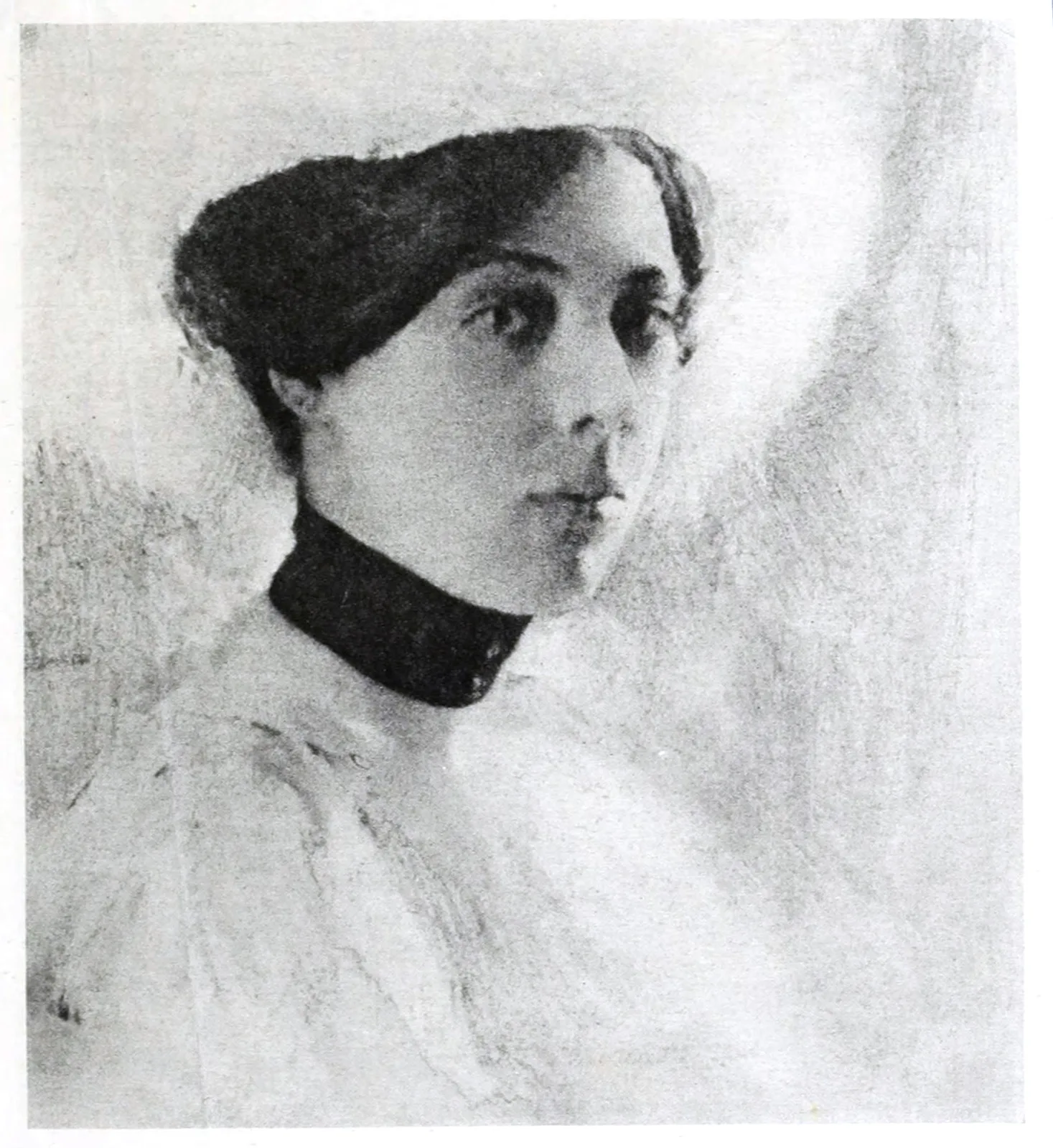
Portrait de femme — Robert Demachy

1906

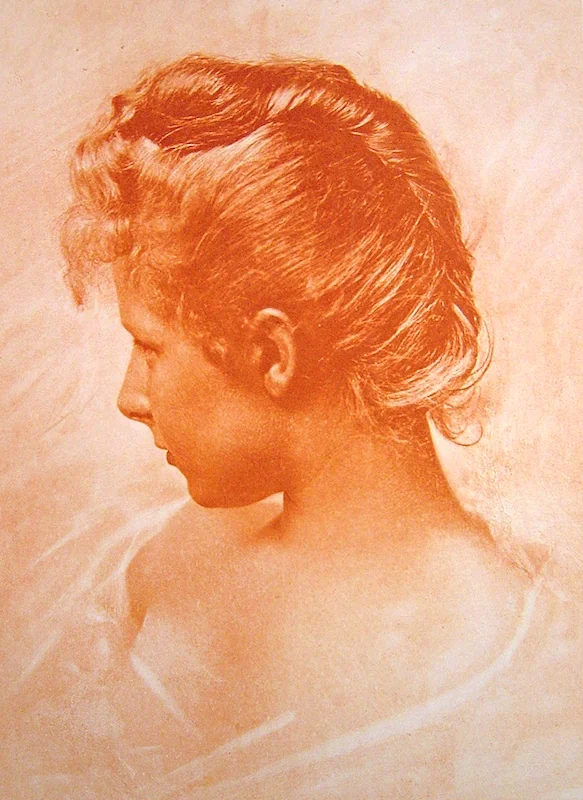
Portrait de femme

Gum bichromate

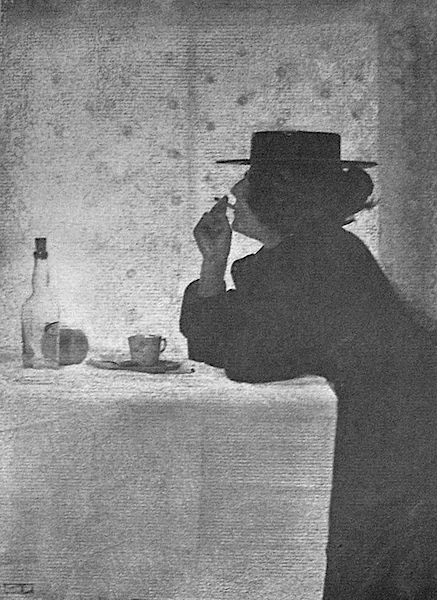
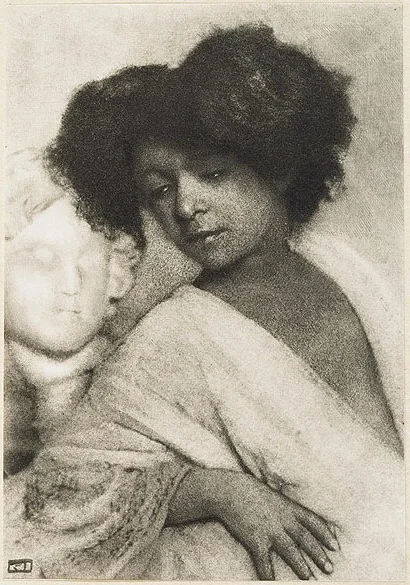
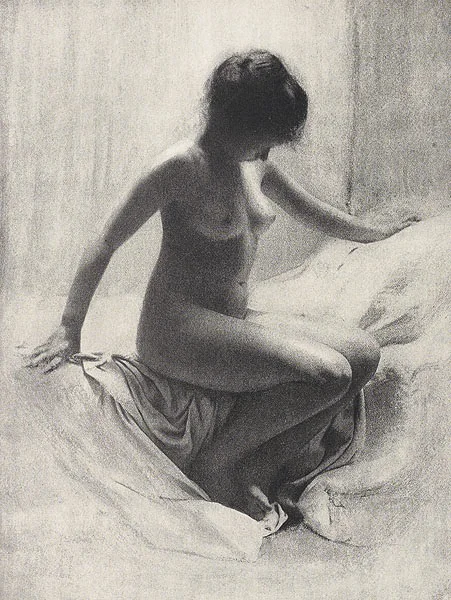
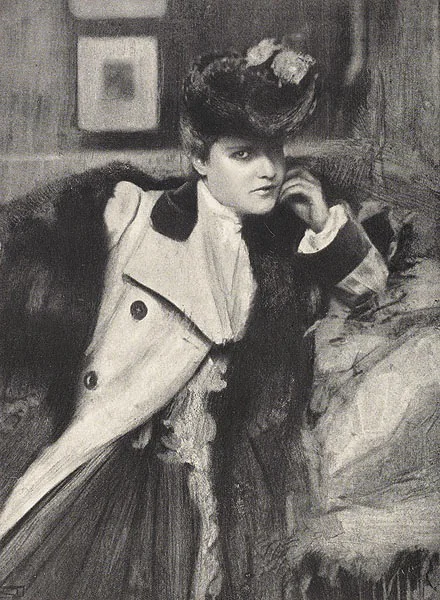
Portrait — Mlle D. — Robert Demachy

1906

Portrait — Mlle D.

Gum bichromate

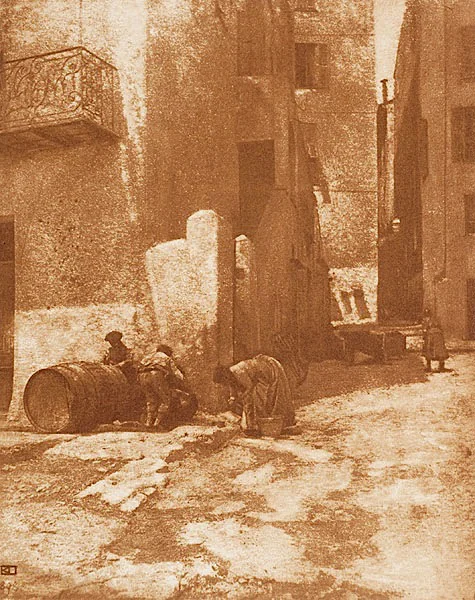
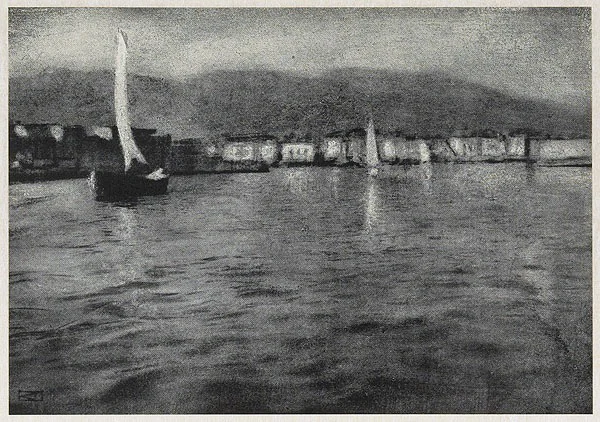
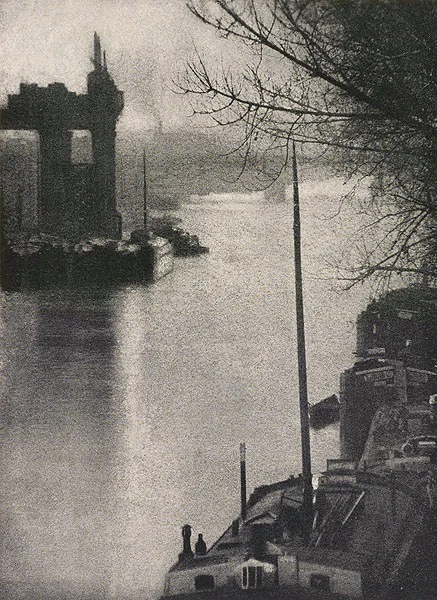
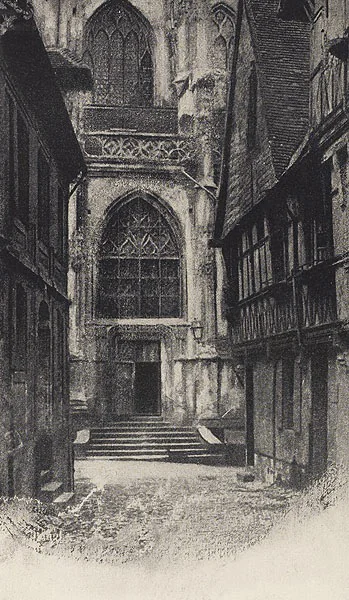
Street in Lisieux — Robert Demachy

1906

Street in Lisieux

Gum bichromate

Commission a print after Robert Demachy

Maison Picturale produces on commission contemporary prints after works by Robert Demachy that have entered the public domain. Hand-printed by master printers Tristan Sidem and Raphaël Lebas de Lacour on 640 gsm cotton paper, signed and numbered in limited edition, with a certificate of authenticity explicitly mentioning the "after" nature of the reinterpretation.

Start a commission