Frederick H. Evans
Library

1853-1943 · British

Frederick H. Evans

Frederick H. Evans (1853-1943) is the British pictorialist master of platinum-palladium printing, celebrated for his architectural photographs of English cathedrals and his portraits of literary figures. Member of the Linked Ring, he set the absolute tonal standard for platinotype.

Public domain since 2014 · CPI L.123-1

Held at

  • Royal Photographic Society Collection, Bradford
  • Metropolitan Museum of Art, New York
  • Victoria & Albert Museum, London
  • George Eastman Museum, Rochester

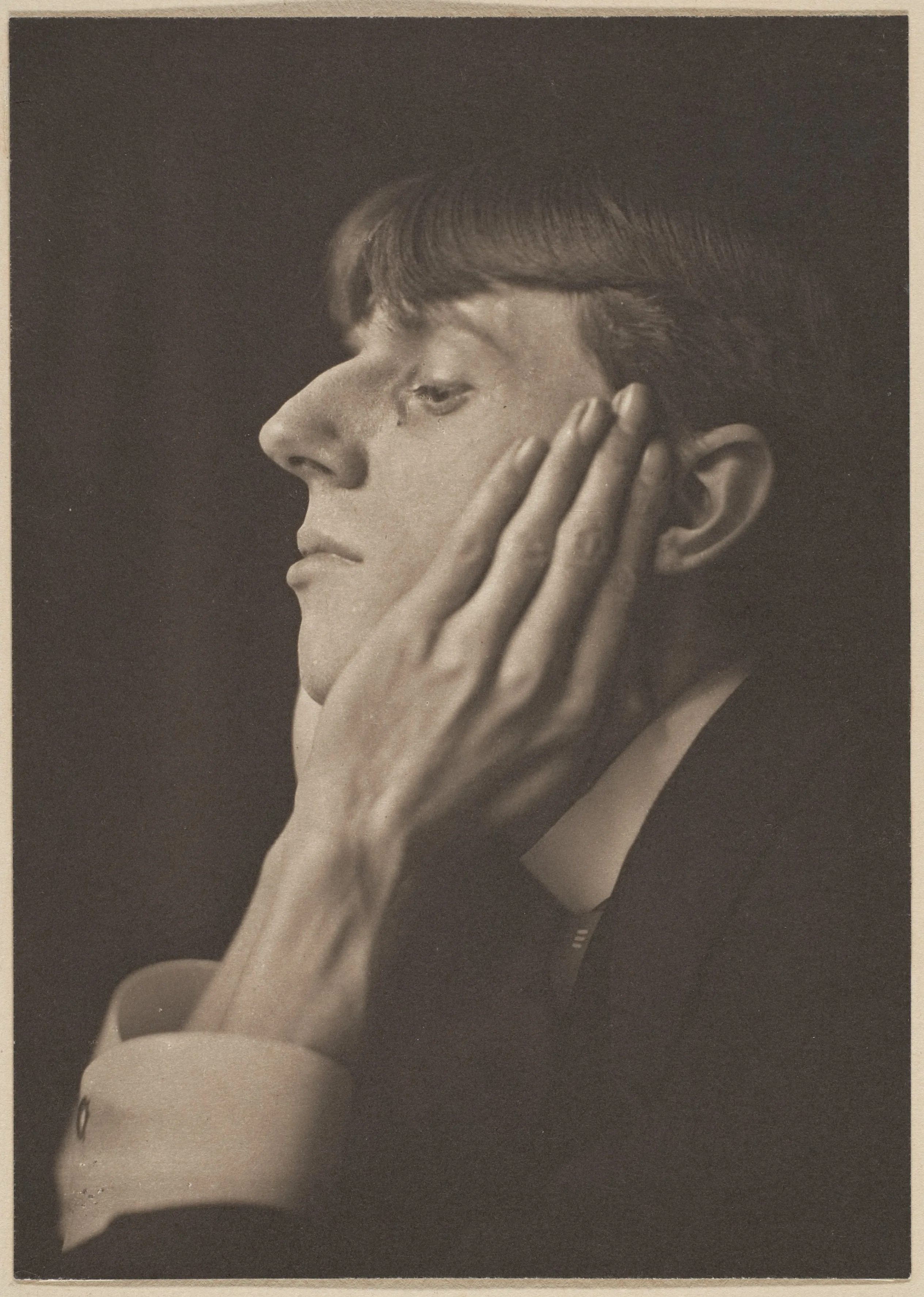
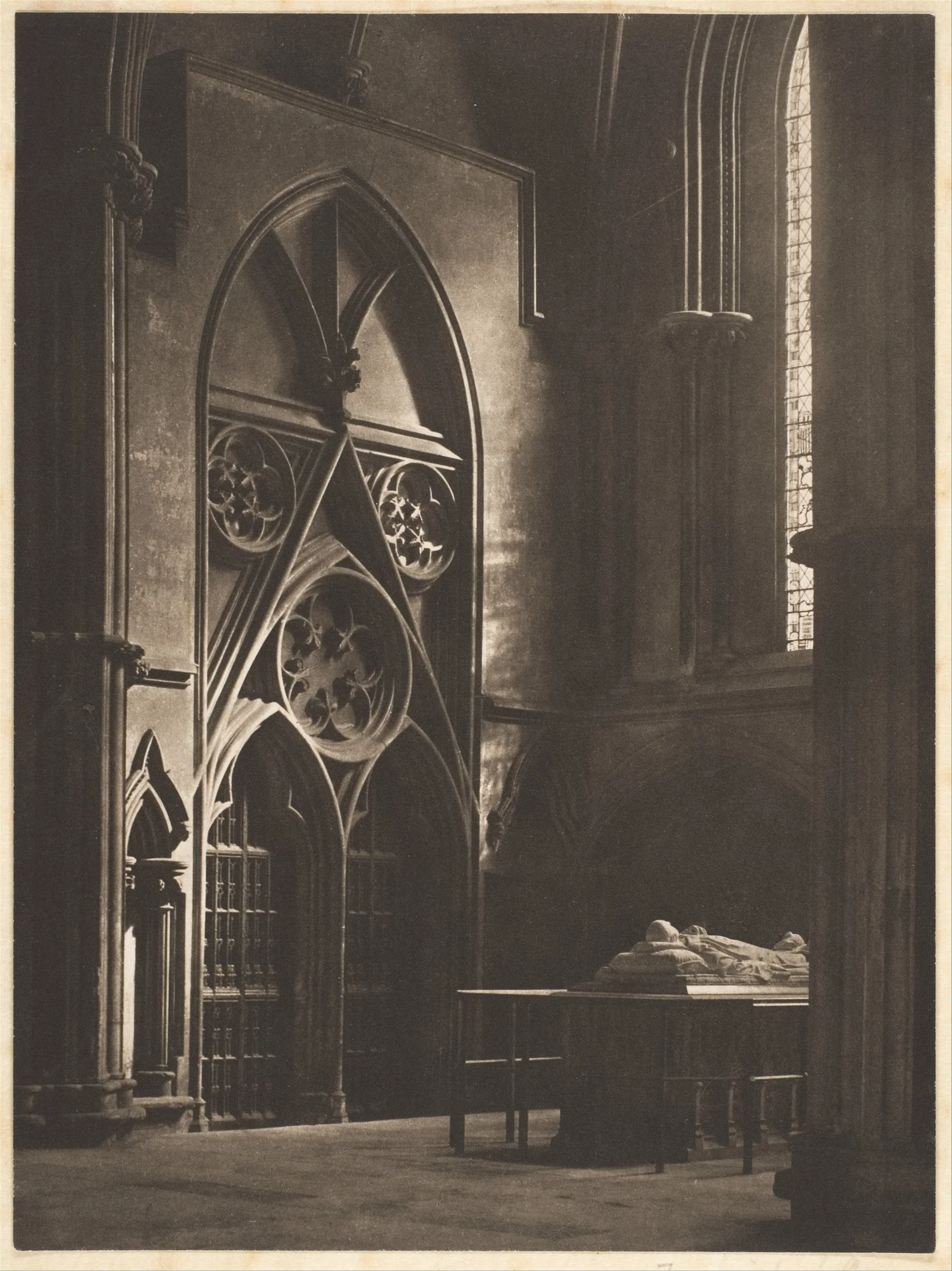
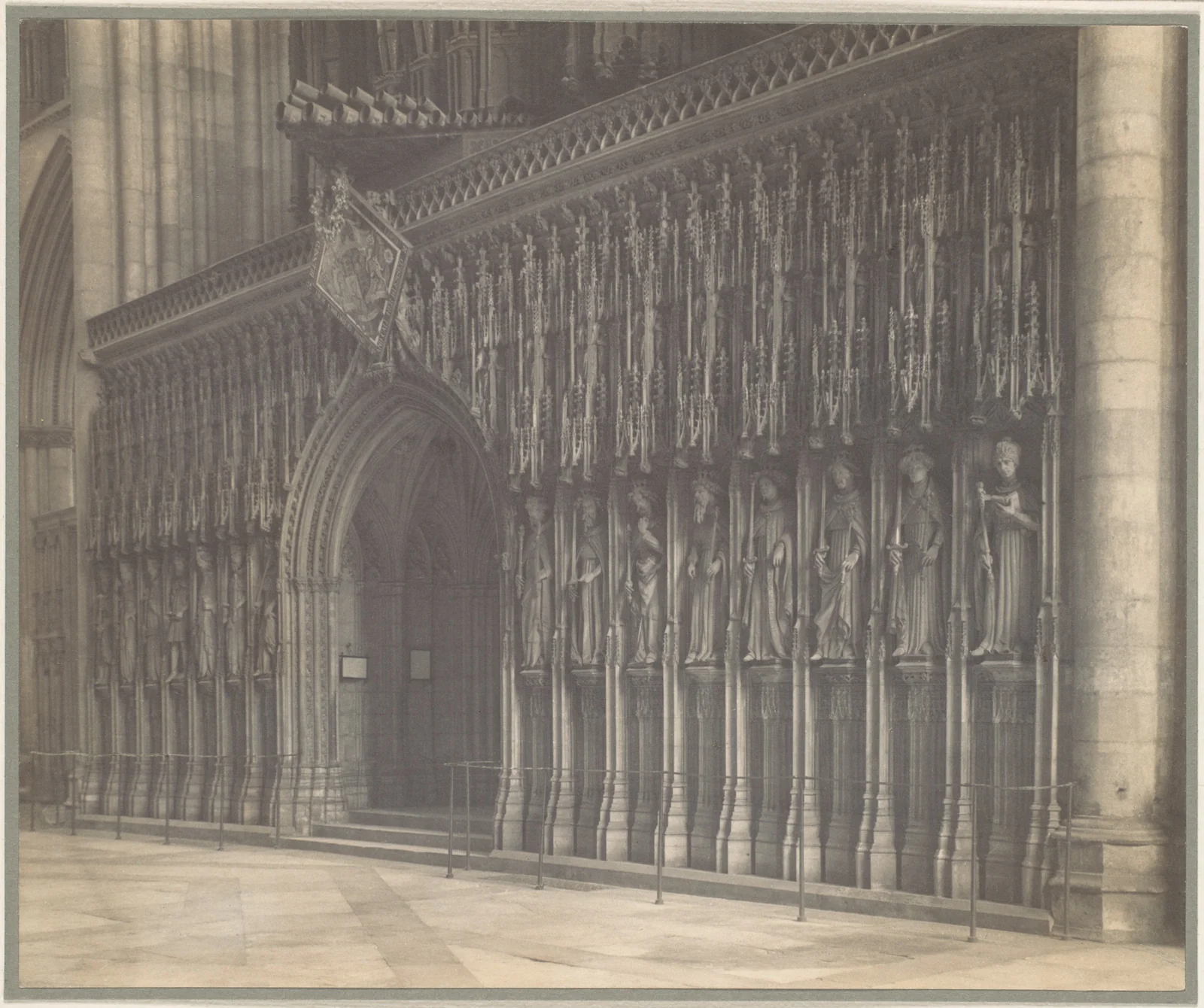
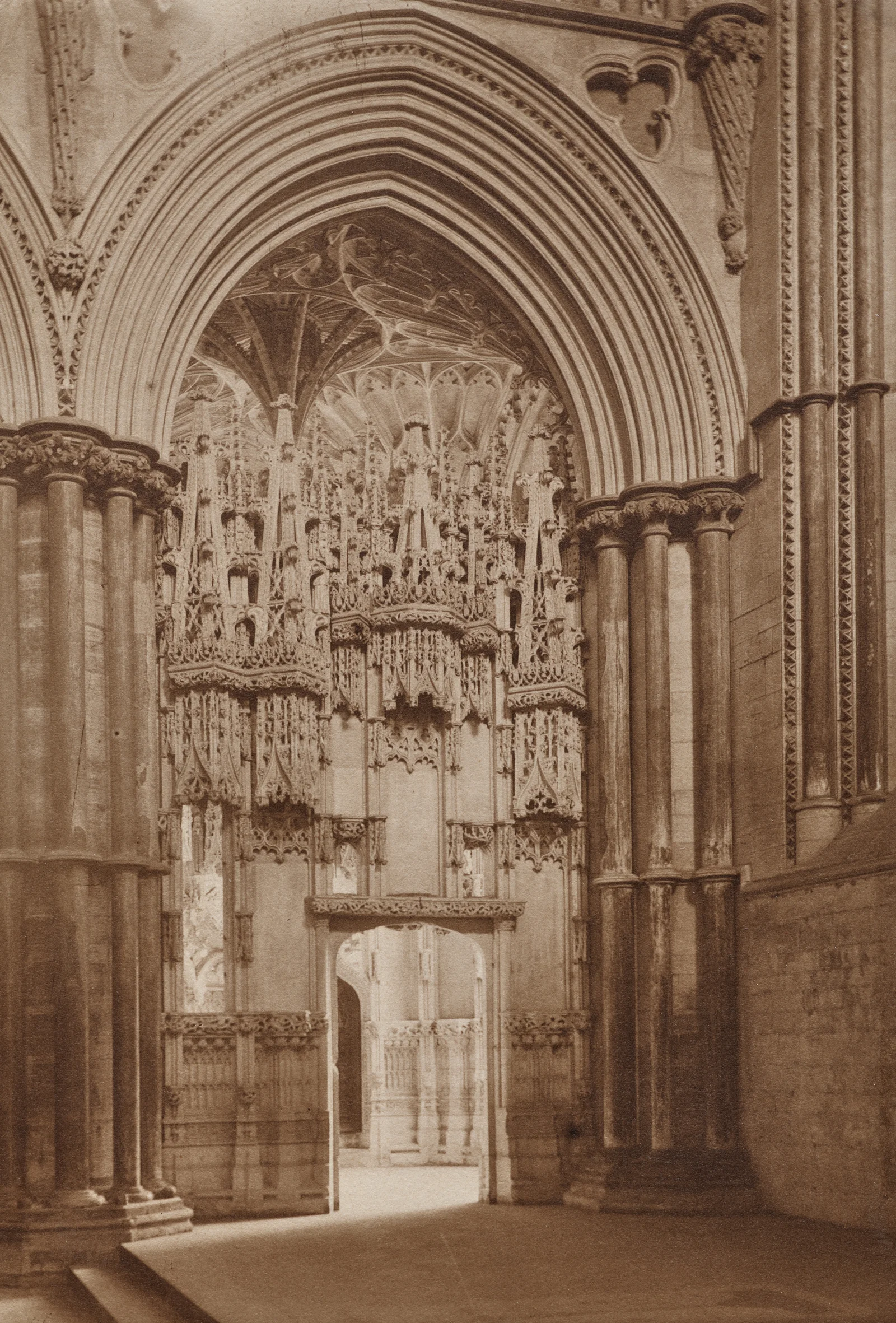
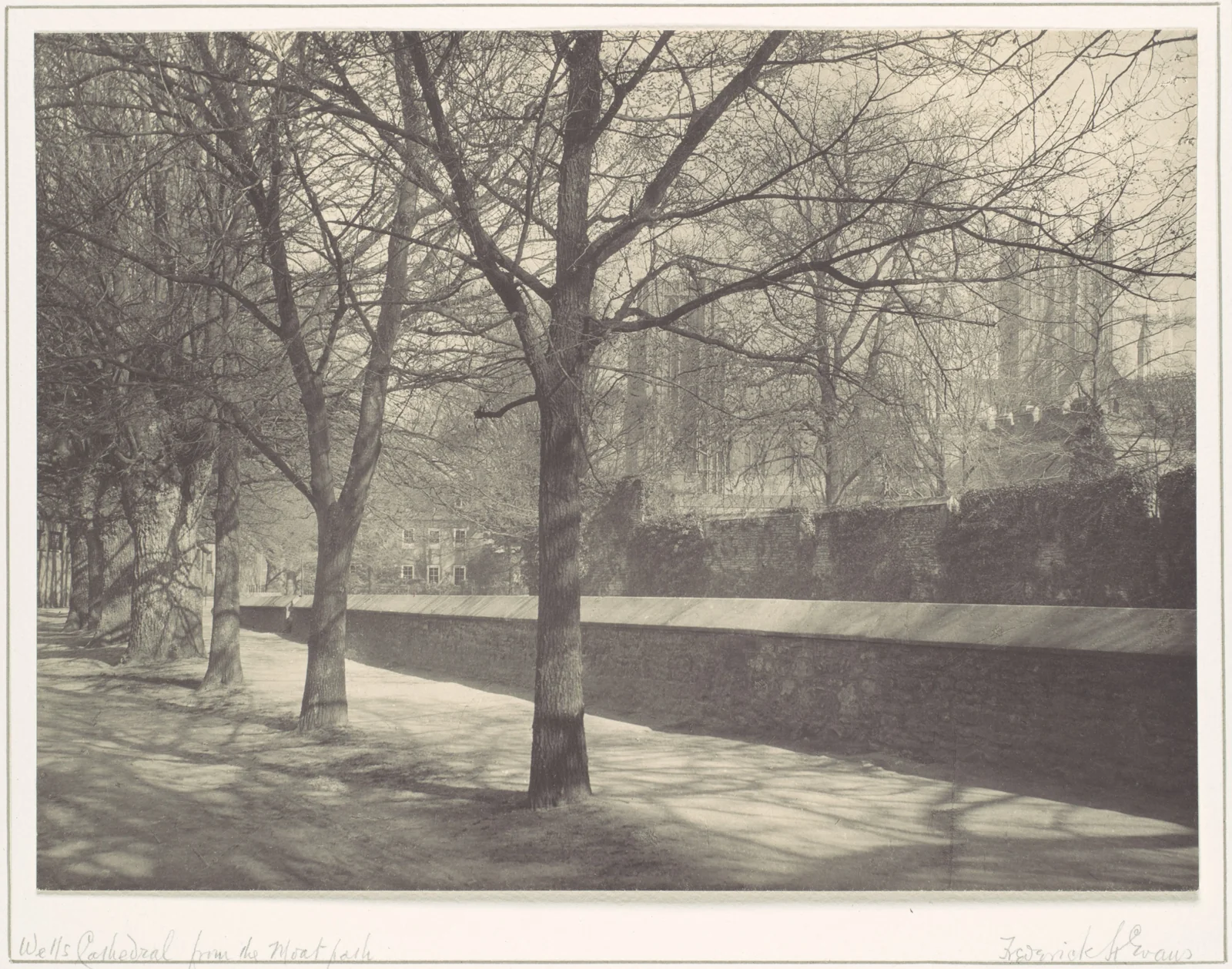
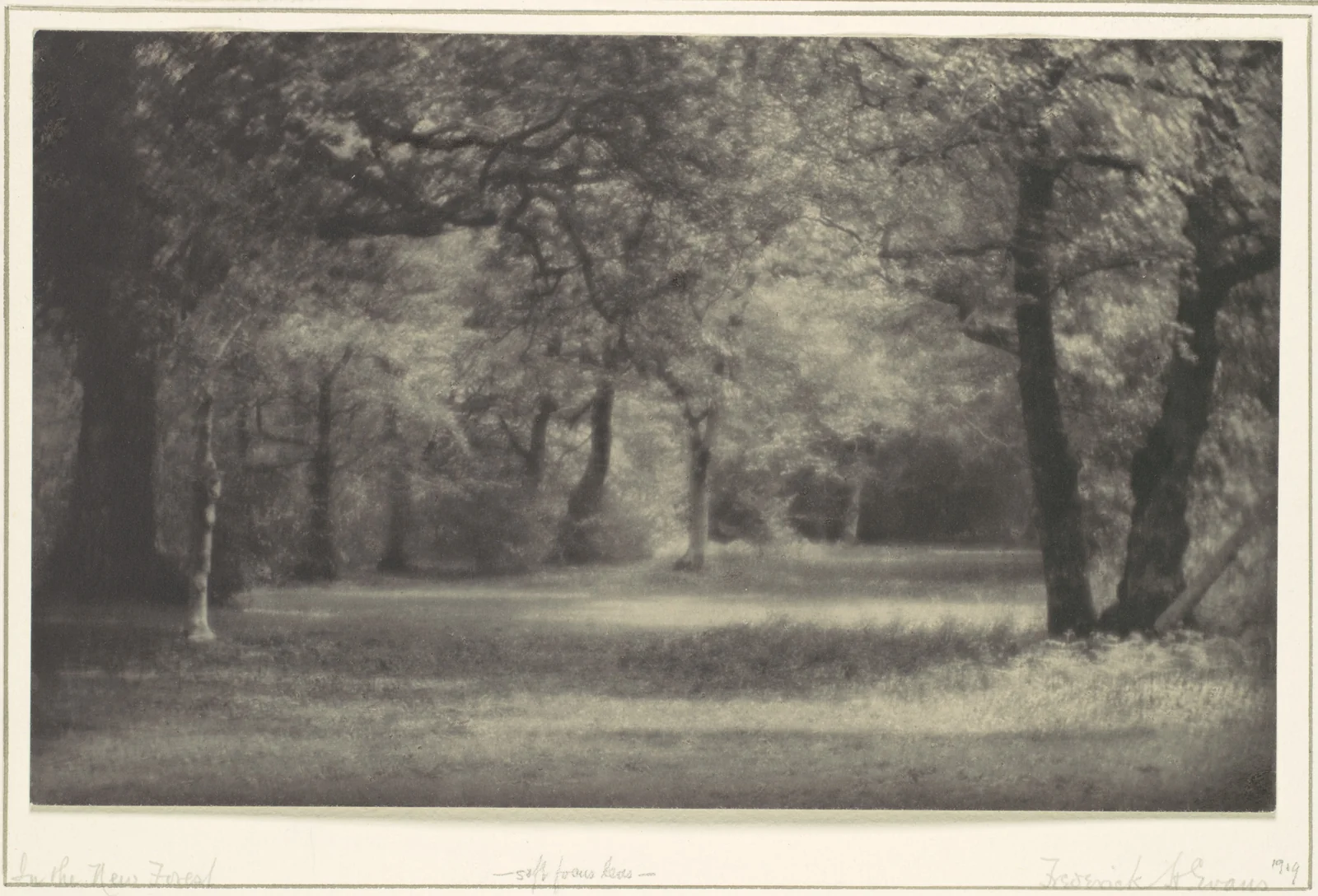
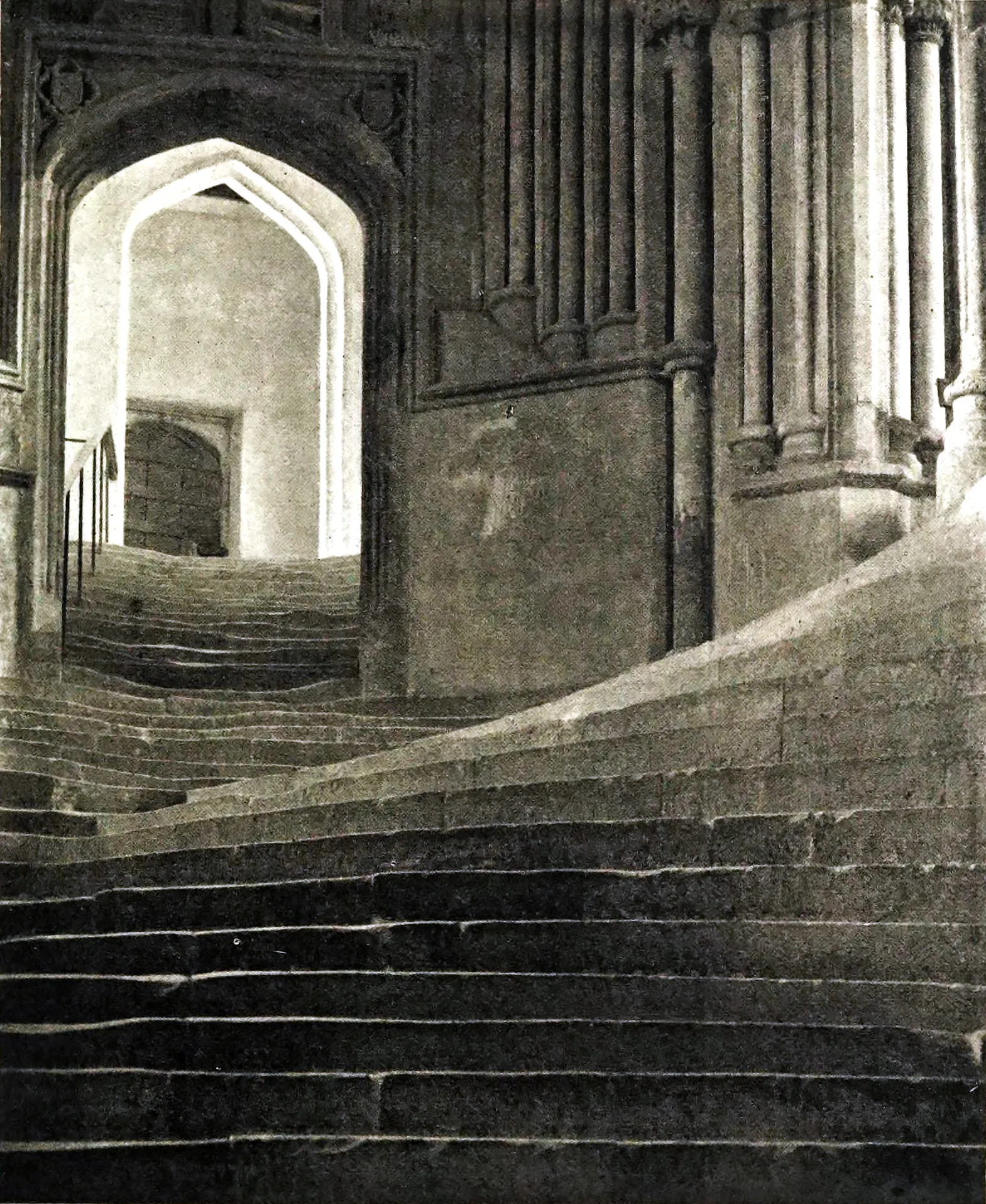
Frederick H. Evans began his career as a bookseller in London, where he met and photographed many literary figures of his time — including Aubrey Beardsley and George Bernard Shaw. From the late 1890s, he devoted himself entirely to photography, choosing platinum-palladium as his exclusive medium for its extended tonal range and archival permanence. He photographed English and French cathedrals (Wells, York, Lincoln, Ely, Gloucester, Westminster, Bourges, Rouen) with an unprecedented attention to light, scale and architectural geometry. His most celebrated work, Sea of Steps (Wells Cathedral, 1905), is considered one of the masterpieces of architectural photography. Stieglitz dedicated the entire fourth issue of Camera Work (October 1903) to Evans, publishing six photogravures of his Ely, York and Westminster cathedrals — an honour previously reserved for Steichen and Demachy. Evans was a member of the British Linked Ring from the 1890s until the society's dissolution in 1909, before withdrawing in disagreement over the direction of pictorialism. He closed his Holland Street shop around 1915 as platinum paper became scarce during the First World War, but kept a personal stock that allowed him to continue printing privately into the 1920s (cf. In the New Forest, 1919, Metropolitan Museum). His prints are held at the Royal Photographic Society Collection (Bradford), the Metropolitan Museum of Art (New York), the Victoria & Albert Museum (London), and the George Eastman Museum (Rochester). His patrimonial rights lapsed in France in 2014, 70 years after his death. At Maison Picturale, his architectural and portrait photographs can be reinterpreted in contemporary platinum-palladium prints, on cotton paper 640 gsm, signed by our master printers.

Signature processes

The alternative processes practised by Frederick H. Evans, printed today at Maison Picturale using Vision Picturale's non-toxic reformulated chemistry.

Essential works

A curated selection of public-domain works by Frederick H. Evans, reinterpretable as contemporary prints by Maison Picturale's master printers. Each artwork page details the original process and its atelier equivalent.

Print after — systematic mention on the certificate of authenticity.

York Minster: Into the North Transept — Frederick H. Evans

1902 · Photogravure

York Minster: Into the North Transept

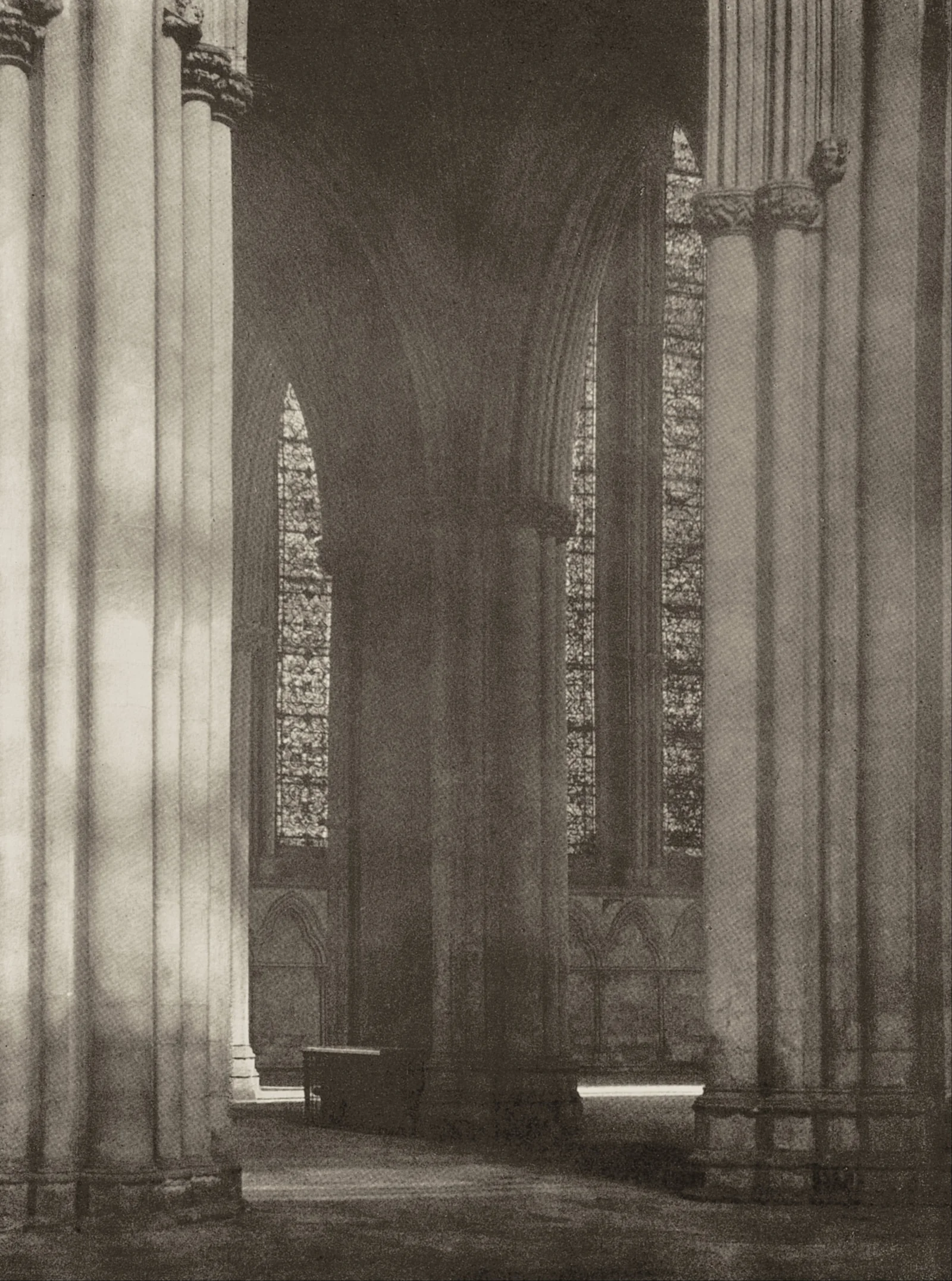
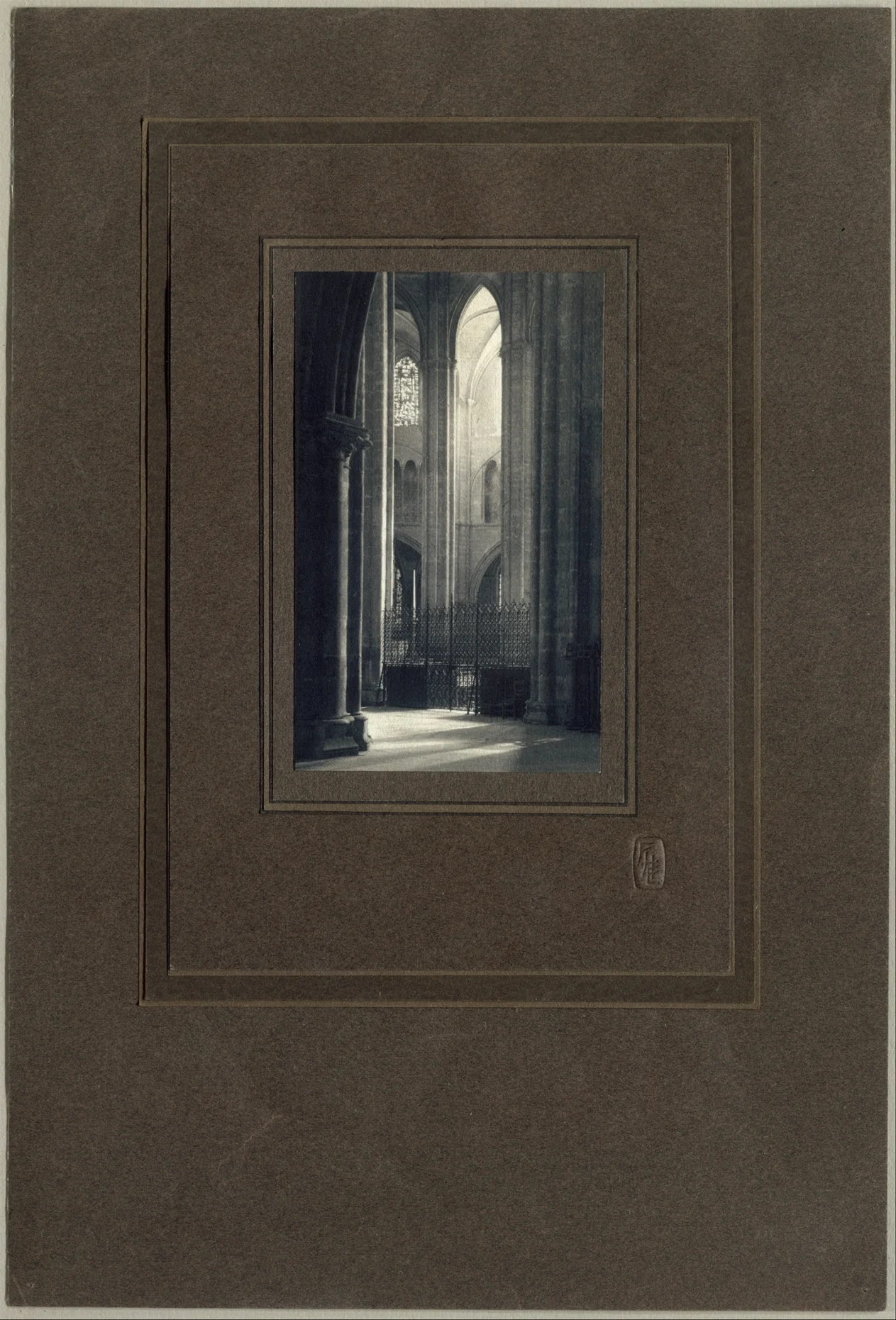
Soaring view into the Five Sisters lancet windows of York Minster's north transept, photographed by Frederick H. Evans in 1902 during one of his cathedral campaigns and published as photogravure plate 4 of Camera Work, October 1903 — the issue that Alfred Stieglitz devoted entirely to Evans, two years after the British pictorialist's major exhibition at the Royal Photographic Society in London (1900). A former London bookseller who counted Aubrey Beardsley and George Bernard Shaw among his early portrait sitters, Evans had become by then the British pictorialist authority on cathedral architecture, working exclusively in platinum print on large-format plate camera with very long exposures and famously refusing all retouching, on the principle that the negative alone must hold the building's geometry and its light. The five 13th-century grisaille lancets of York rise nearly sixteen metres into the Early English vaulting and remain the largest such window of medieval glass in England; Evans positioned his camera to let them dictate the entire vertical reading of the frame — a portrait of light rather than of a window. Held at the J. Paul Getty Museum, Los Angeles (accession 84.XM.444.45), with the Camera Work photogravure also conserved at the Metropolitan Museum of Art (Alfred Stieglitz Collection) and the Victoria & Albert Museum, London. At Maison Picturale, the image is reinterpreted as a contemporary platinum-palladium print on 640 g/m² cotton paper, using the reformulated non-toxic chemistry of Vision Picturale — the noble-metal signature preserved without the historical dichromate toxicity, signed by our master printers.

Original held at : J. Paul Getty Museum, Los Angeles

Reference file source : Getty Museum via Google Art Project / Wikimedia Commons (PD)

Ely Cathedral: Across Nave and Octagon — Frederick H. Evans

1897 · Photogravure

Ely Cathedral: Across Nave and Octagon

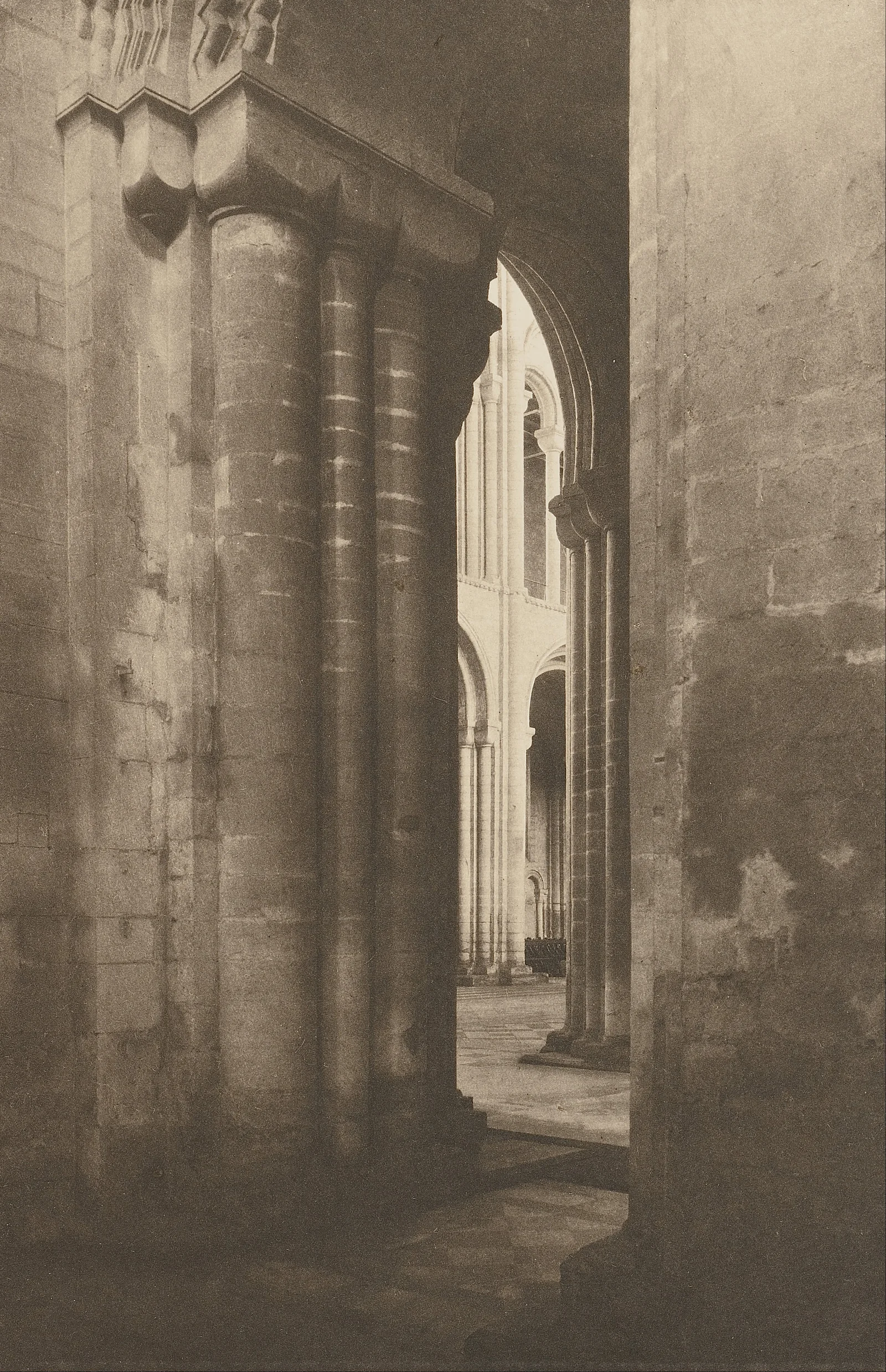
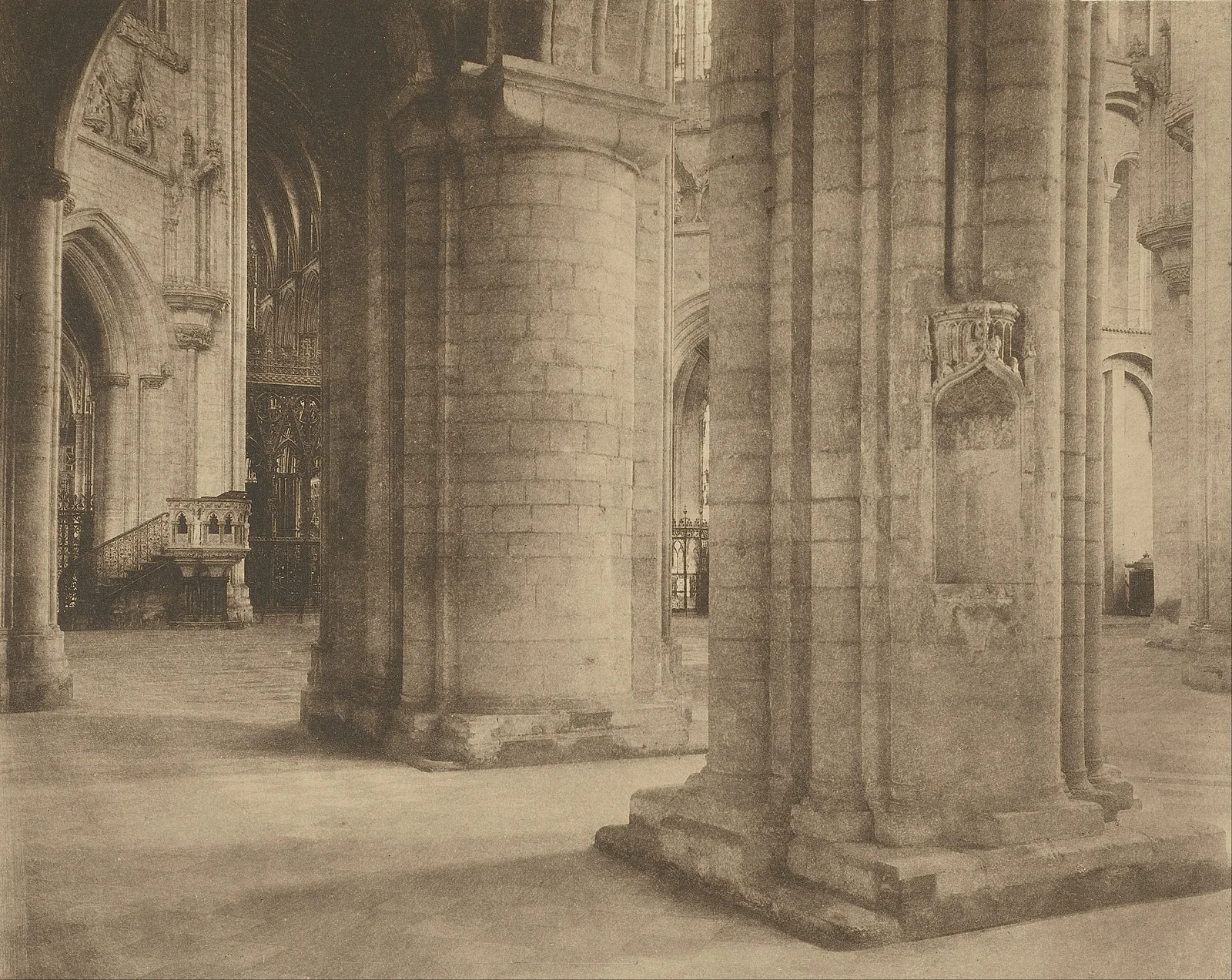
Diagonal view across the Romanesque nave of Ely Cathedral, opening onto the famous 14th-century Octagon lantern — the eight-sided wooden vault built by carpenter William Hurley between 1322 and 1328 after the collapse of the original Norman central tower, an engineering solution still considered unique in Gothic Europe for its scale and its method of converting a square crossing into an octagonal lantern. Photographed by Frederick H. Evans in 1897 and published as photogravure in Camera Work no. 4 (October 1903), the issue Alfred Stieglitz devoted entirely to the British pictorialist following his major Royal Photographic Society exhibition of 1900. Evans, a London bookseller before turning fully to photography around the time of his friendships with Aubrey Beardsley and George Bernard Shaw, treated cathedral interiors as exercises in pure tonal recording: large-format plate camera, very long exposures, no retouching, and platinum print as exclusive medium for its extended grey scale and archival permanence. The diagonal angle deliberately stages the Norman nave bays as a rhythmic prelude before the Gothic crossing dissolves them into the lantern's diffused zenithal light, the contrast of architectural periods made legible in a single shutter opening. Held at the J. Paul Getty Museum, Los Angeles (accession 84.XM.448.7); the Camera Work photogravure is also conserved at the Metropolitan Museum of Art (Alfred Stieglitz Collection) and the Victoria & Albert Museum, London. At Maison Picturale, the image is reinterpreted as a contemporary platinum-palladium print on 640 g/m² cotton paper, using the reformulated non-toxic chemistry of Vision Picturale — the noble-metal signature of platinum preserved without the historical dichromate toxicity, signed by our master printers.

Original held at : J. Paul Getty Museum

Reference file source : Getty Museum / Wikimedia Commons (PD)

Lincoln Cathedral: From the Castle — Frederick H. Evans

1896 · Photogravure

Lincoln Cathedral: From the Castle

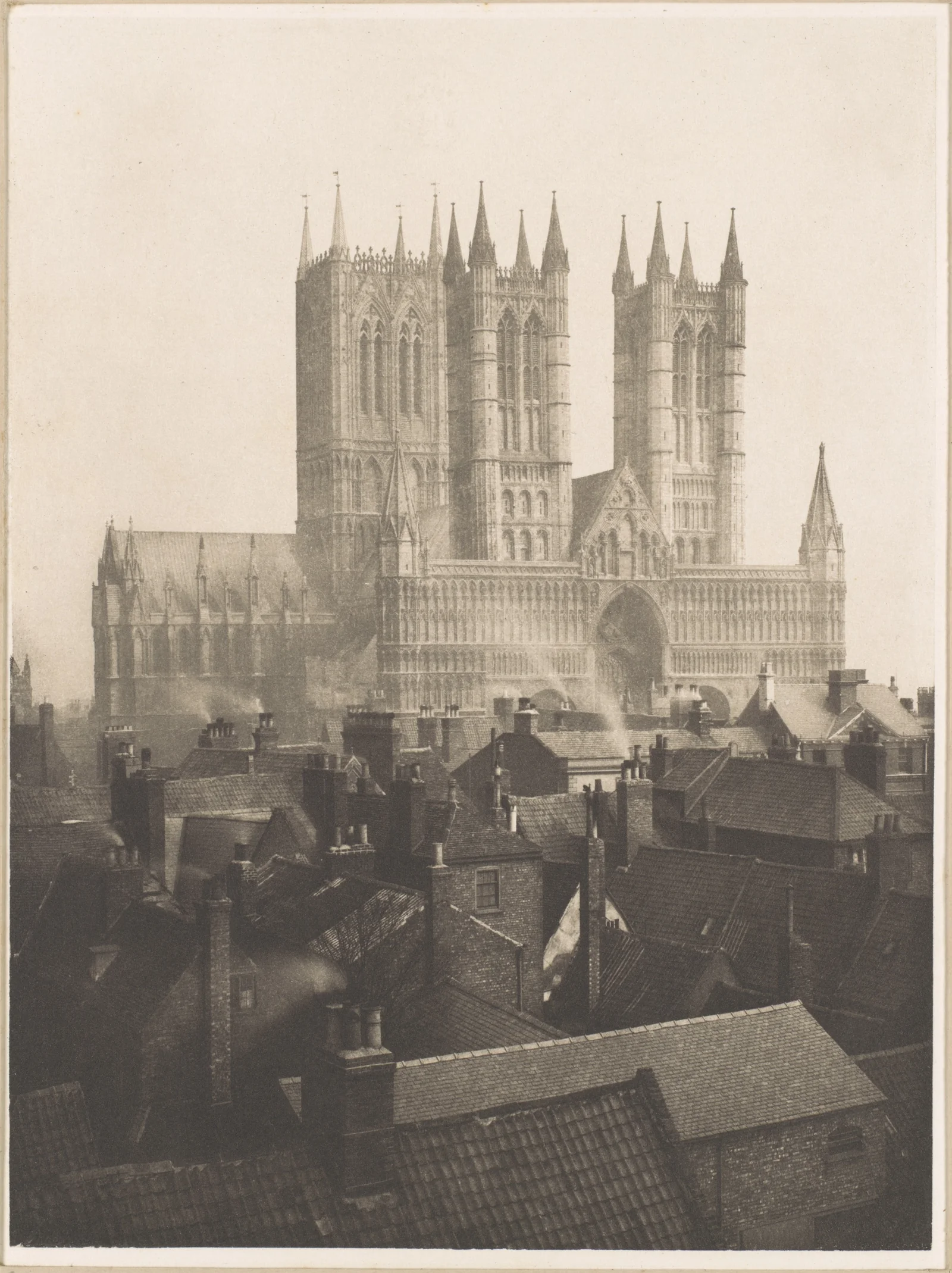
Distant skyline view of Lincoln Cathedral seen across the rooftops of the medieval city from the Norman castle ramparts opposite — the two Plantagenet-era strongholds, ecclesiastical and military, framing each other in a single composition. Lincoln's great Norman west front (begun 1072 under Bishop Remigius, the cathedral's founder appointed by William the Conqueror) and its later Early English central tower dominate the horizon line, the photograph compressing nearly nine centuries of English building history into one frame. Photographed by Frederick H. Evans in 1896, when the London bookseller — friend of Aubrey Beardsley and George Bernard Shaw, whom he counted among his early portrait sitters — was beginning to turn fully to photography. By 1900 his architectural work would be the subject of a major exhibition at the Royal Photographic Society; three years later Stieglitz devoted the entire fourth issue of Camera Work (October 1903) to his English cathedrals. Evans worked exclusively in platinum (later platinum-palladium as palladium became more available during the First World War), on large-format plate camera with long exposures, and refused all retouching — the platinum process providing the extended grey scale and archival permanence his architectural subjects demanded. Held at the Metropolitan Museum of Art, New York (accession 33.43.388, Alfred Stieglitz Collection), under Open Access (CC0). At Maison Picturale, the image is reinterpreted as a contemporary platinum-palladium print on 640 g/m² cotton paper, using the reformulated non-toxic chemistry of Vision Picturale — the noble-metal signature of platinum preserved without the historical dichromate toxicity, signed by our master printers.

Original held at : Metropolitan Museum of Art

Reference file source : Metropolitan Museum of Art, Open Access (CC0)

Across the Transepts of Westminster Abbey — Frederick H. Evans

1911 · Platinum print

Across the Transepts of Westminster Abbey

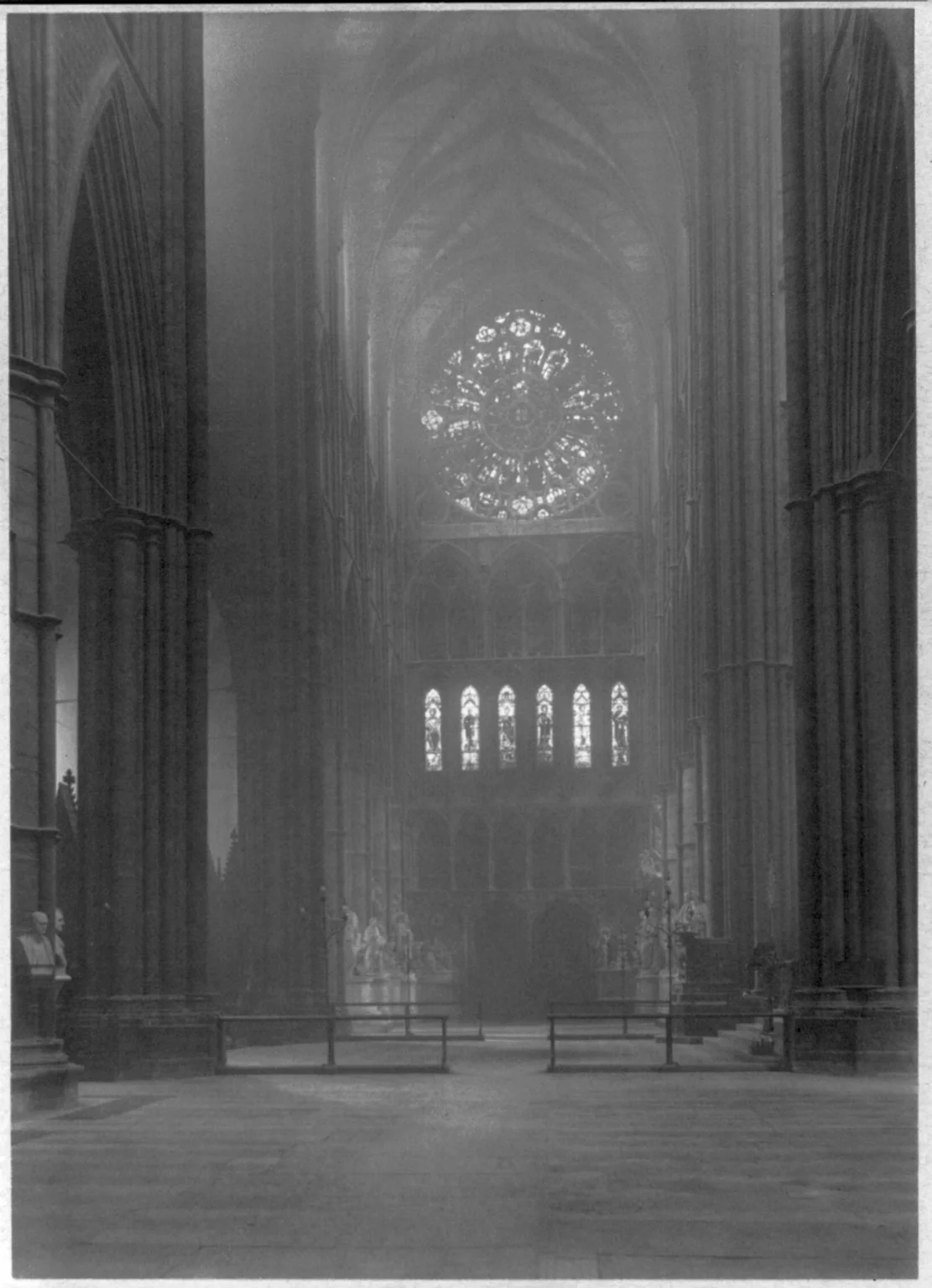
Wide interior view across the transepts of Westminster Abbey, the Plantagenet coronation church begun under Henry III in 1245 on the site of Edward the Confessor's earlier Romanesque abbey, and continued in the Early English and Decorated Gothic styles. Photographed by Frederick H. Evans in 1911, during the Country Life magazine commission that was made possible by a rare circumstance: the abbey was closed to the public for several weeks before the coronation of George V (22 June 1911), allowing Evans to install his large-format plate camera in the empty nave and crossing and work at the very long exposures his platinum signature required — impossible with worshippers present. By then Evans — formerly a London bookseller and friend of Aubrey Beardsley and George Bernard Shaw — had been the subject of a major Royal Photographic Society exhibition (1900) and had seen his cathedrals published in Camera Work plate 4 (October 1903) and plate 16 (October 1906). He worked exclusively in platinum and, increasingly, platinum-palladium, refusing all retouching on the principle that the negative alone must carry the architectural fact. Held at the Library of Congress, Washington (Prints and Photographs Division, LC-DIG-ds-00277), with companion prints from the Westminster campaign at the Metropolitan Museum of Art and the Victoria & Albert Museum, London. At Maison Picturale, the image is reinterpreted as a contemporary platinum-palladium print on 640 g/m² cotton paper, using the reformulated non-toxic chemistry of Vision Picturale — the noble-metal signature of platinum preserved without the historical dichromate toxicity, signed by our master printers.

Original held at : Library of Congress

Reference file source : Library of Congress / Wikimedia Commons

Trees — Frederick H. Evans

c. 1900s · Gum bichromate print

Trees

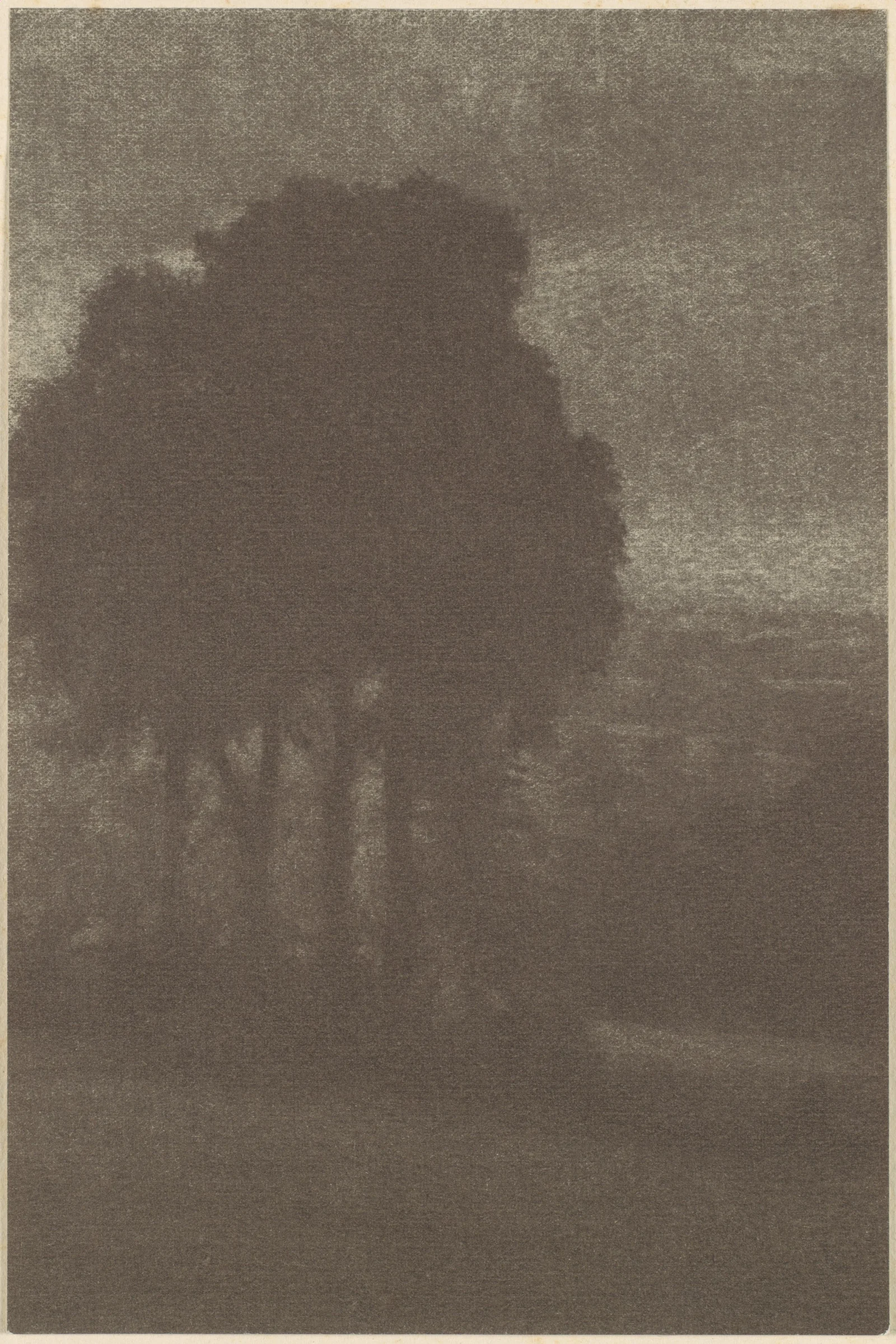
Rare gum bichromate study of trees by Frederick H. Evans — one of the very few experiments in his corpus outside the platinum-palladium signature that defined his cathedral work and won him a major exhibition at the Royal Photographic Society, London, in 1900, then full issues of Camera Work devoted to his architectural prints in 1903 (plate 4) and 1906 (plate 16). A London bookseller before turning fully to photography around the time of his early portraits of Aubrey Beardsley and George Bernard Shaw, Evans was famously austere in his technique: large-format plate camera, very long exposures, no retouching whatsoever, and platinum print as exclusive medium for its extended grey scale and archival permanence. The gum bichromate trial recorded here departs sharply from that orthodoxy — the process allowing local pigment manipulation, brush intervention, and a softer, more painterly tonal handling that pictorialist contemporaries such as Robert Demachy and Constant Puyo had championed as a path toward expressive subjectivity. Evans tried the medium but never adopted it; the platinum signature remained absolute throughout his career, and this print stands as a documented technical outlier within the corpus. Held at the Metropolitan Museum of Art, New York, Alfred Stieglitz Collection (accession 33.43.397), under Open Access (CC0). At Maison Picturale, the image is reinterpreted as a contemporary gum bichromate print using our Aquaprint protocol — the reformulated non-toxic chemistry of Vision Picturale that preserves the soft pigment handling of historical gum without the dichromate toxicity, on 640 g/m² cotton paper, signed by our master printers.

Original held at : Metropolitan Museum of Art

Reference file source : Metropolitan Museum of Art, Open Access (CC0)

The documented corpus

The rest of Frederick H. Evans's public-domain corpus: plates kept in our editorial archives. Reproducible on request, without dedicated editorial study.

18 archived plates

Organ Screen, York Minster — Frederick H. Evans

c. 1904

Organ Screen, York Minster

Platinum print

Bishop Alcock's Chapel, Ely Cathedral — Frederick H. Evans

1897

Bishop Alcock's Chapel, Ely Cathedral

Platinum print

Wells Cathedral from the Moat Path — Frederick H. Evans

c. 1900s

Wells Cathedral from the Moat Path

Platinum print

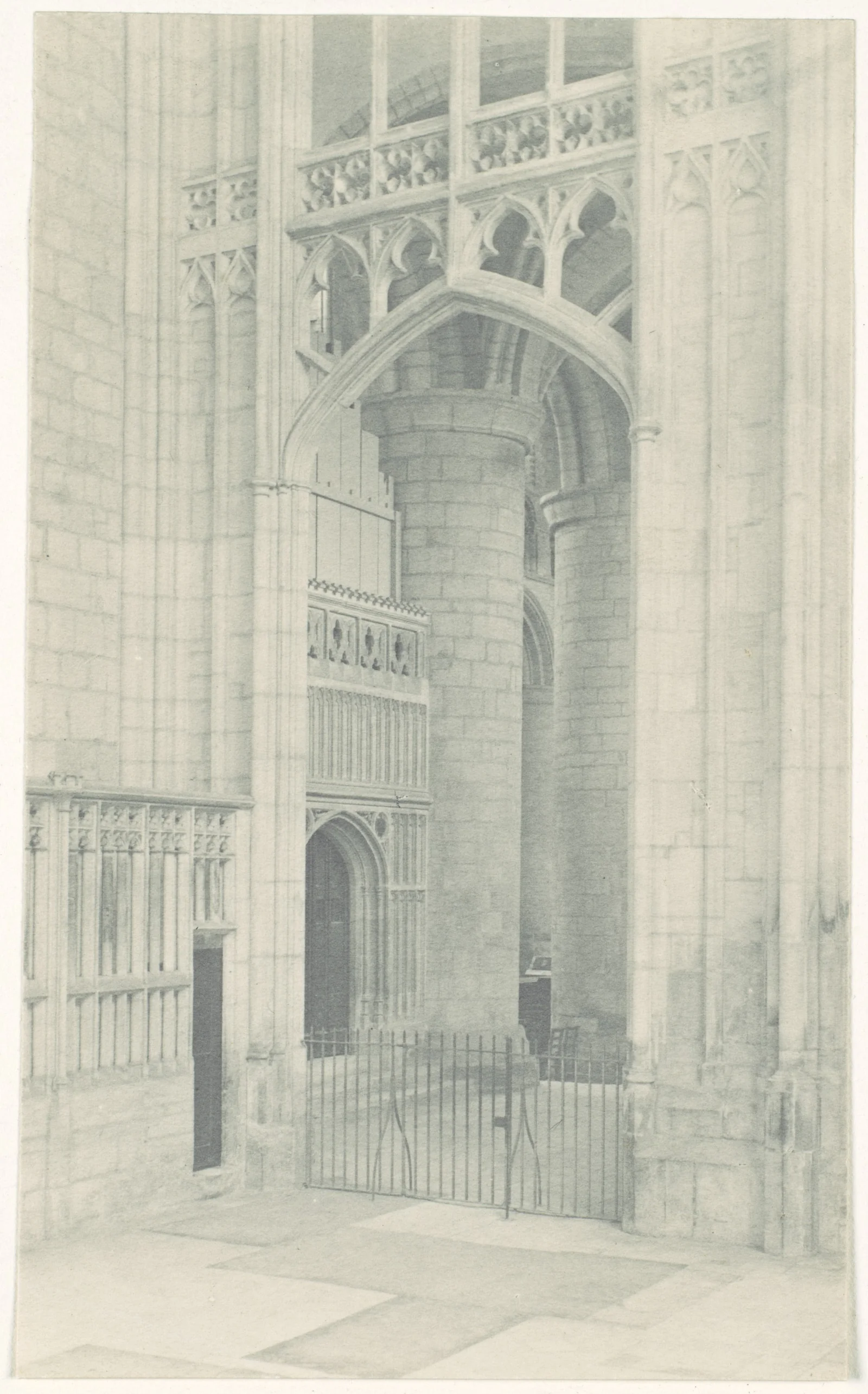
Gloucester Cathedral: North Transept — Frederick H. Evans

c. 1900s

Gloucester Cathedral: North Transept

Platinum print

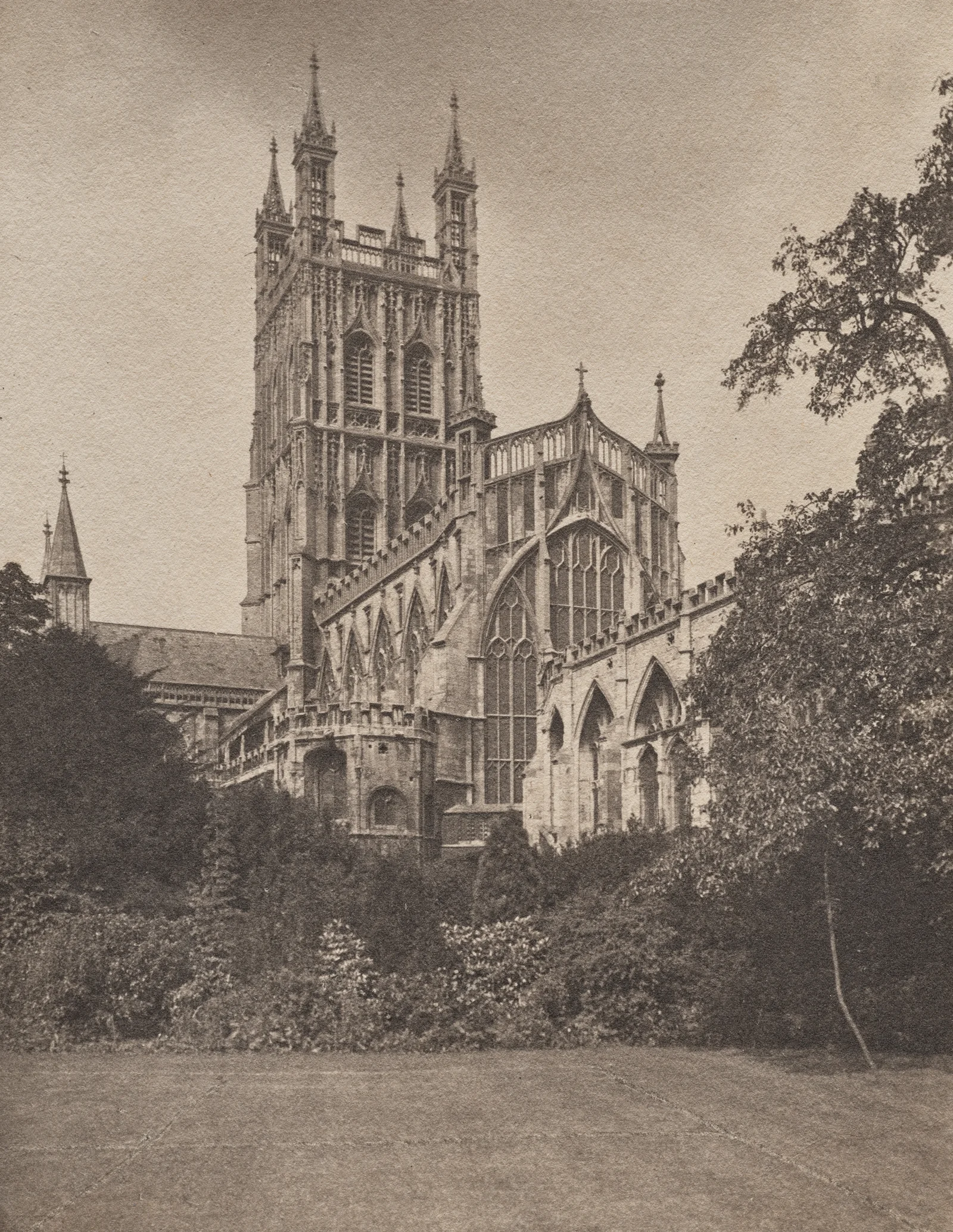
Gloucester Cathedral from the Southeast — Frederick H. Evans

c. 1900

Gloucester Cathedral from the Southeast

Platinum print

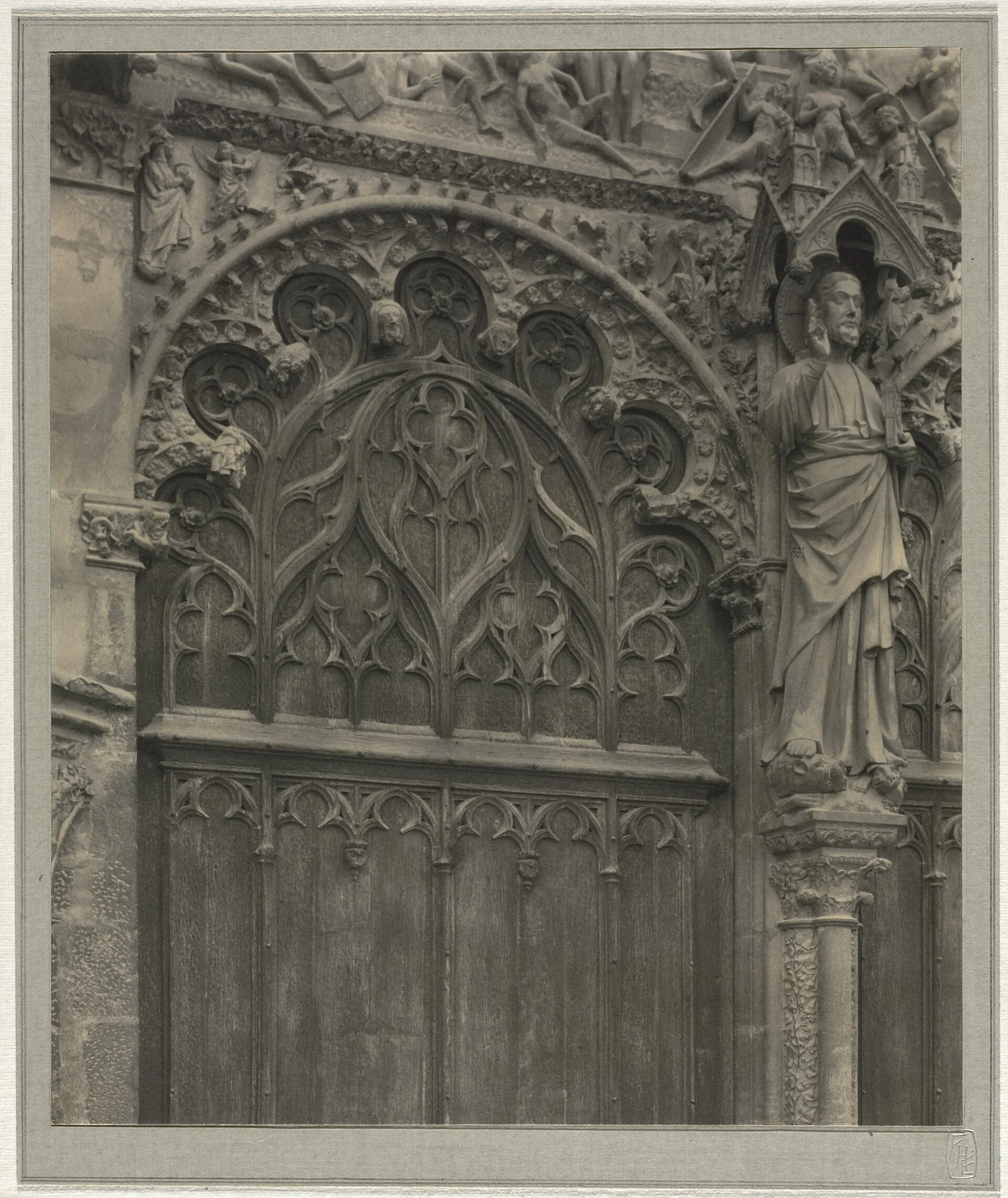
Bourges Cathedral: Crypt Under Nave — Frederick H. Evans

c. 1900

Bourges Cathedral: Crypt Under Nave

Platinum print

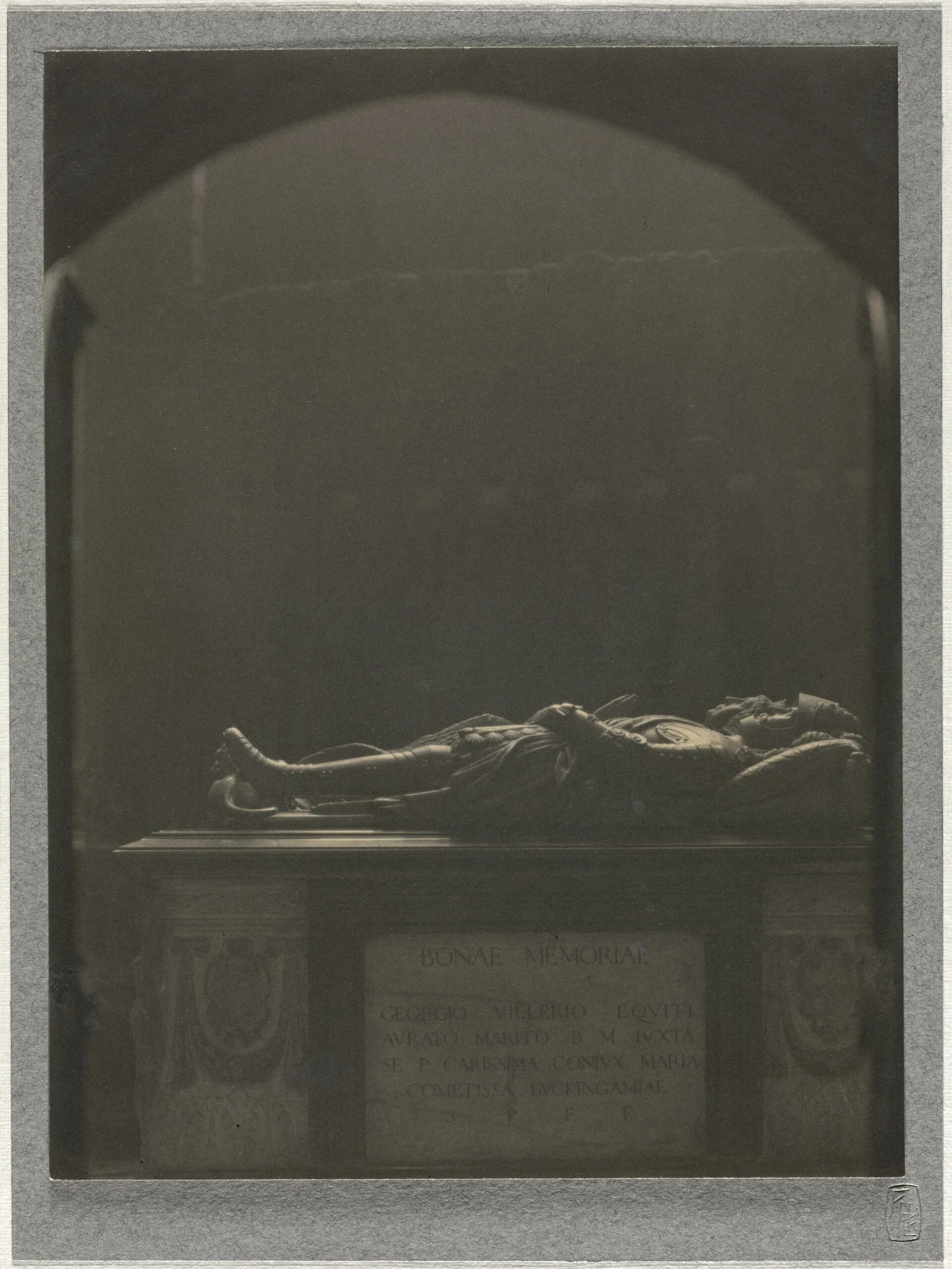
Westminster Abbey: Tomb of Sir George Villiers — Frederick H. Evans

c. 1911

Westminster Abbey: Tomb of Sir George Villiers

Platinum print

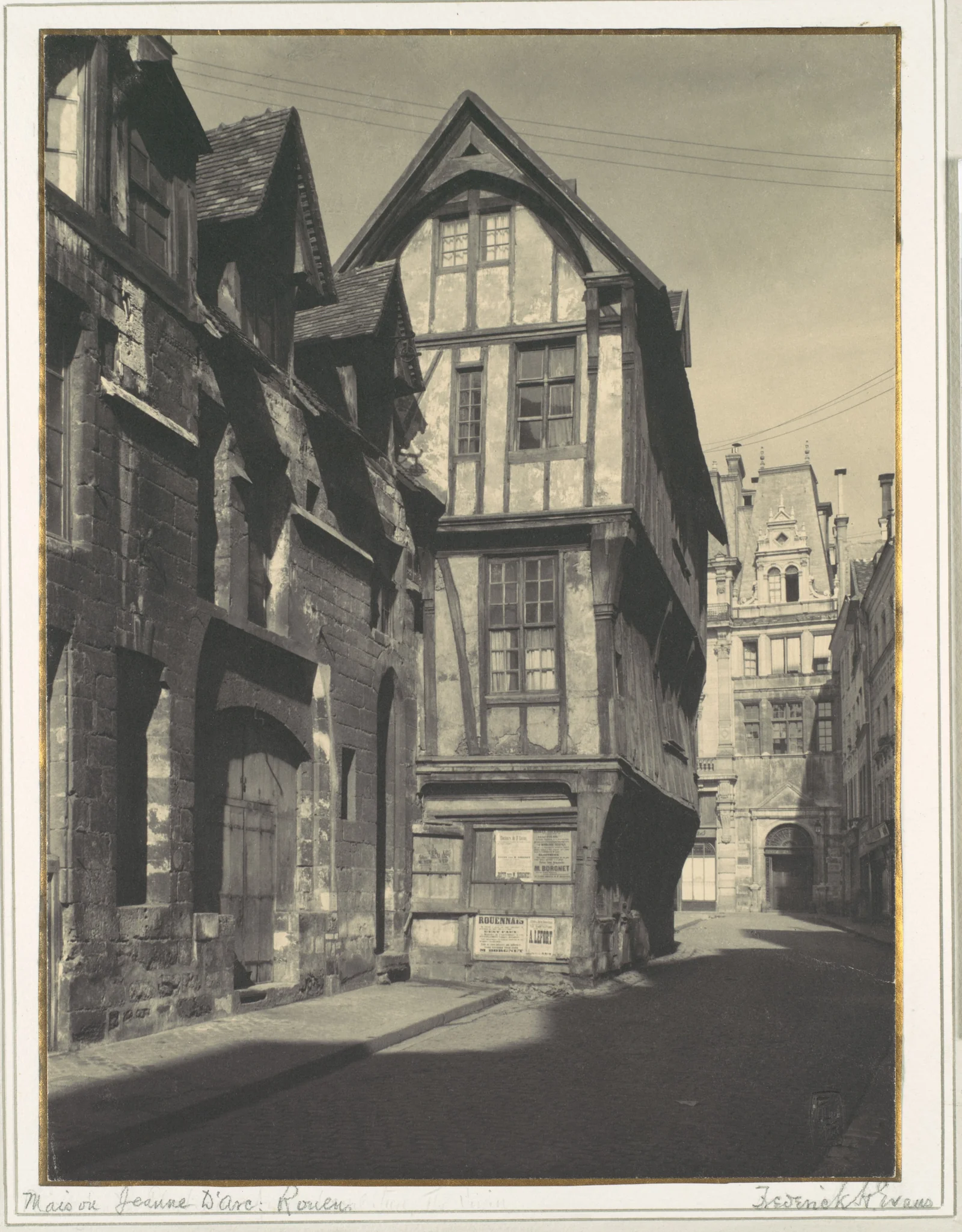
Maison Jeanne d'Arc, Rouen — Frederick H. Evans

c. 1900s

Maison Jeanne d'Arc, Rouen

Platinum print

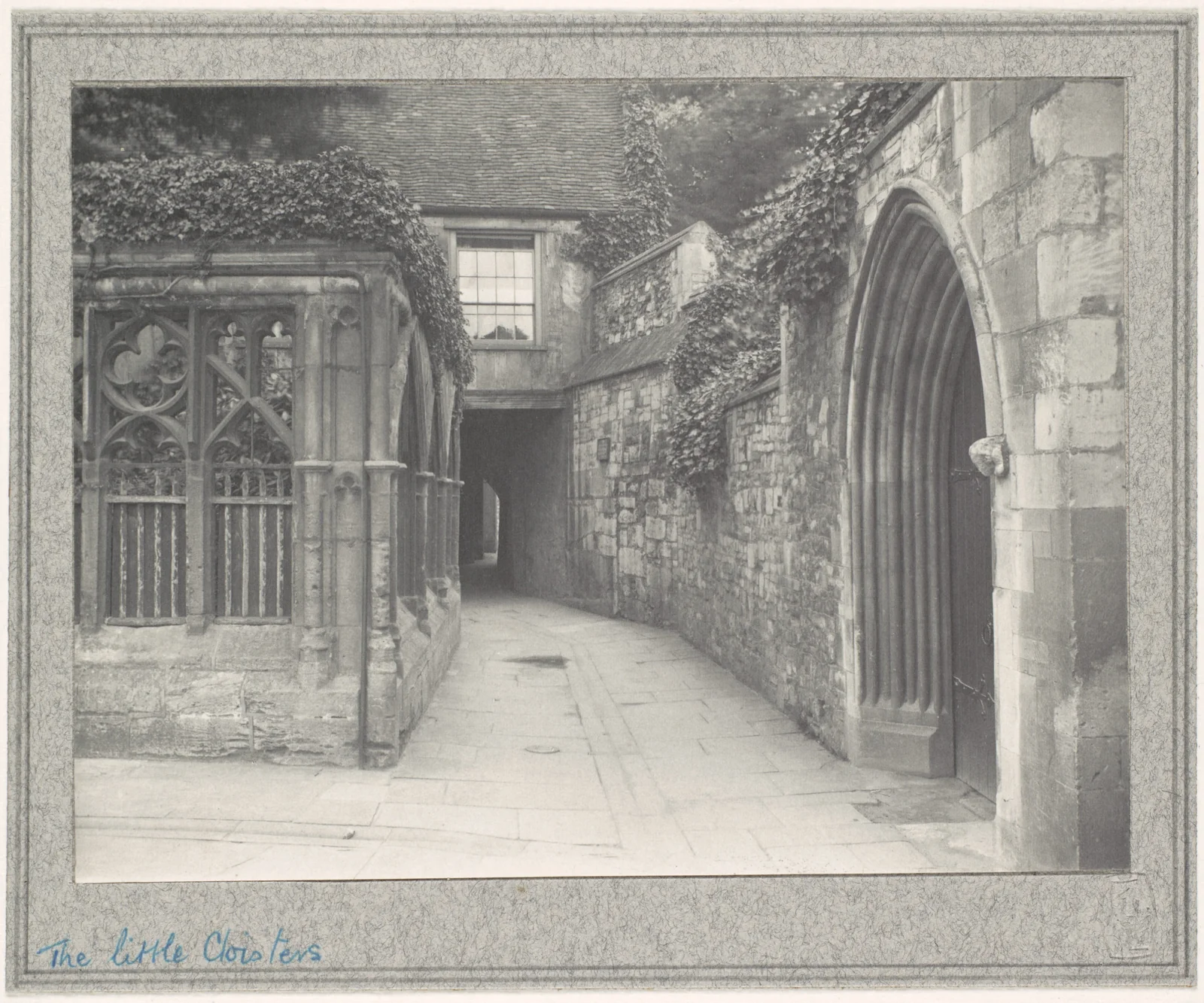
The Little Cloisters — Frederick H. Evans

c. 1900

The Little Cloisters

Platinum print

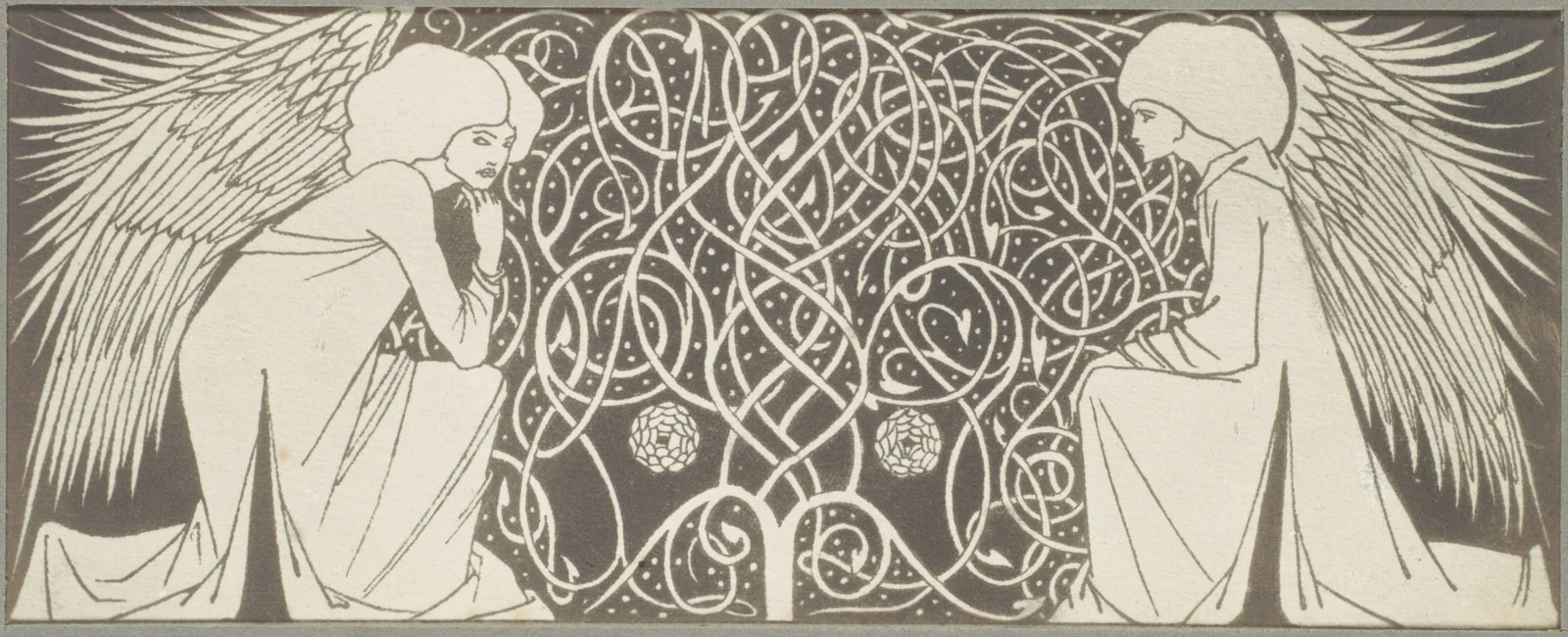
Angels with Interlace — Frederick H. Evans

c. 1910s

Angels with Interlace

Platinum print

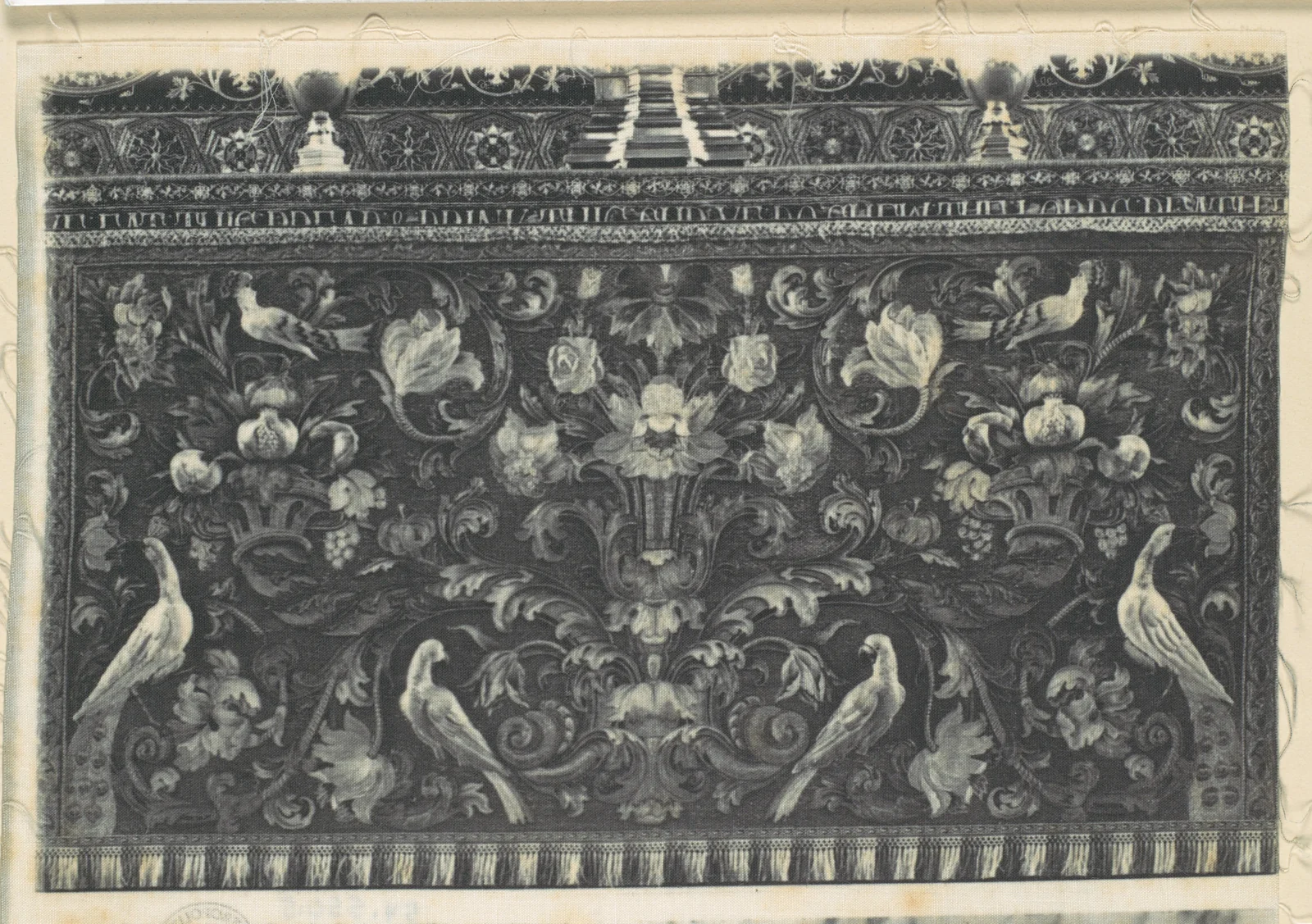
Needlework Altar Cloth, Durham — Frederick H. Evans

1911-1912

Needlework Altar Cloth, Durham

Platinum print

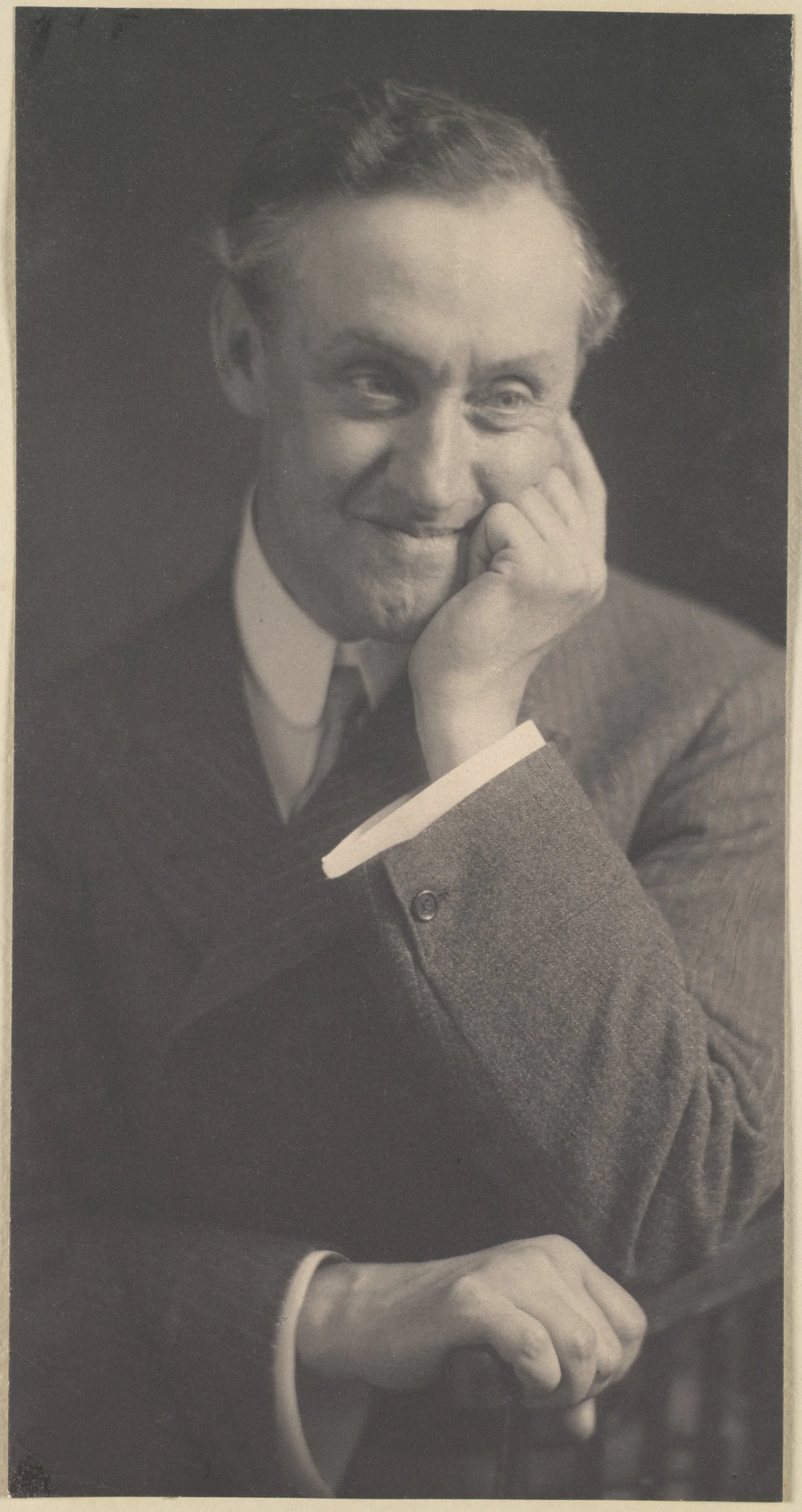
Walter Churcher, "Churcher Smileth" — Frederick H. Evans

c. 1900-1905

Walter Churcher, "Churcher Smileth"

Platinum print

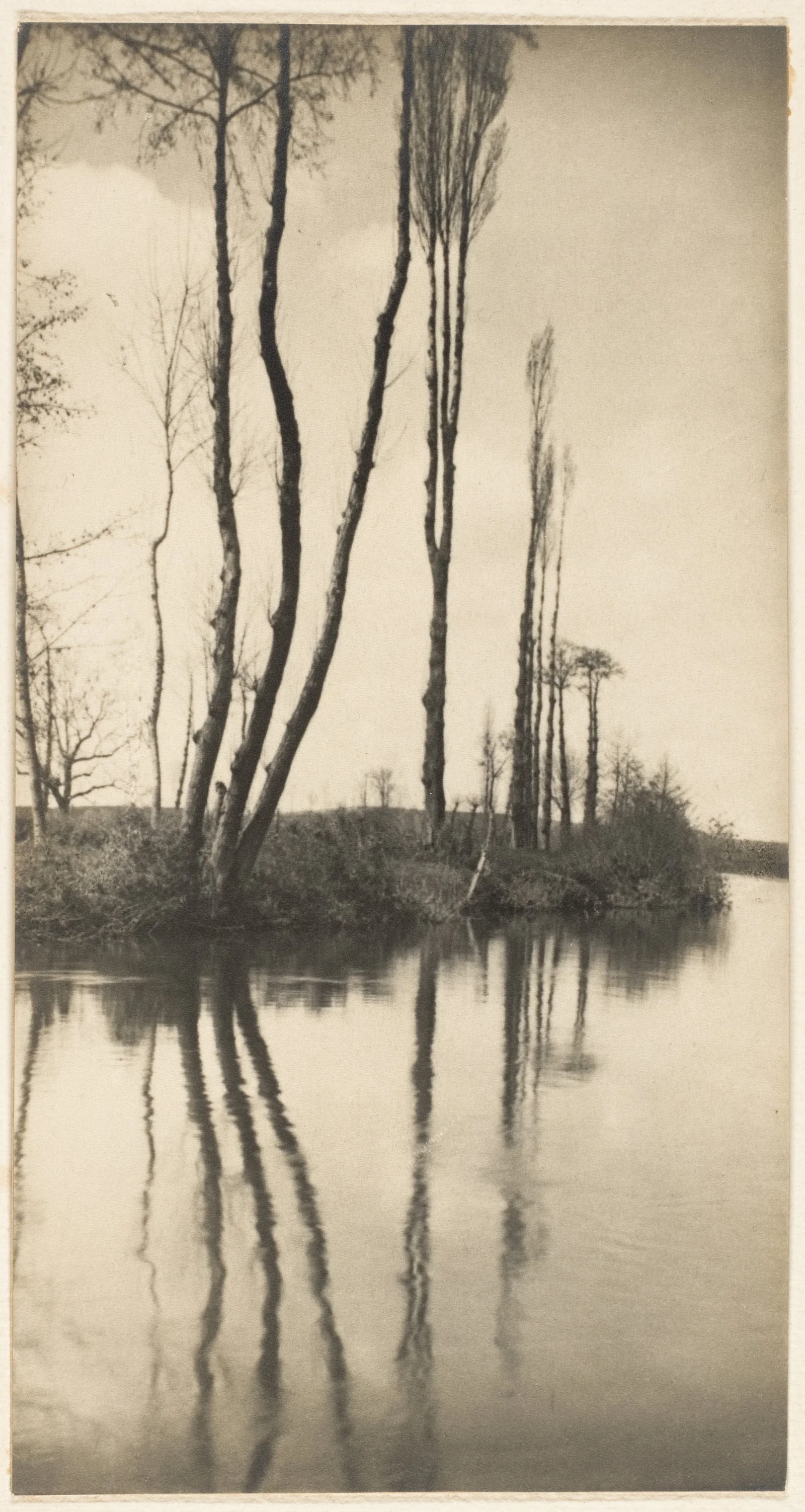
On a French River — Frederick H. Evans

c. 1902

On a French River

Gelatin silver print

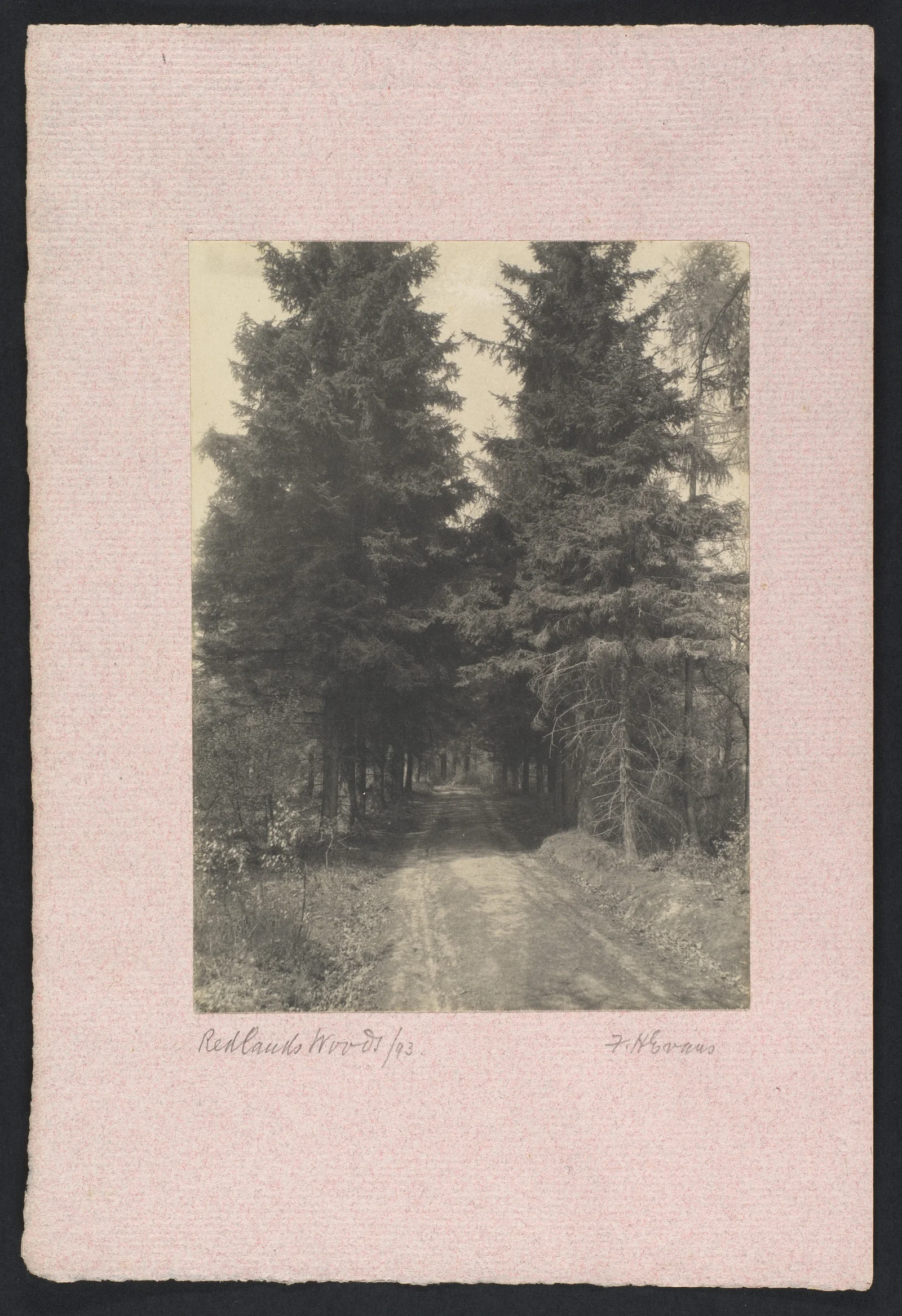
Redlands Woods — Frederick H. Evans

1893

Redlands Woods

Platinum print

In the New Forest — Frederick H. Evans

1919

In the New Forest

Platinum print

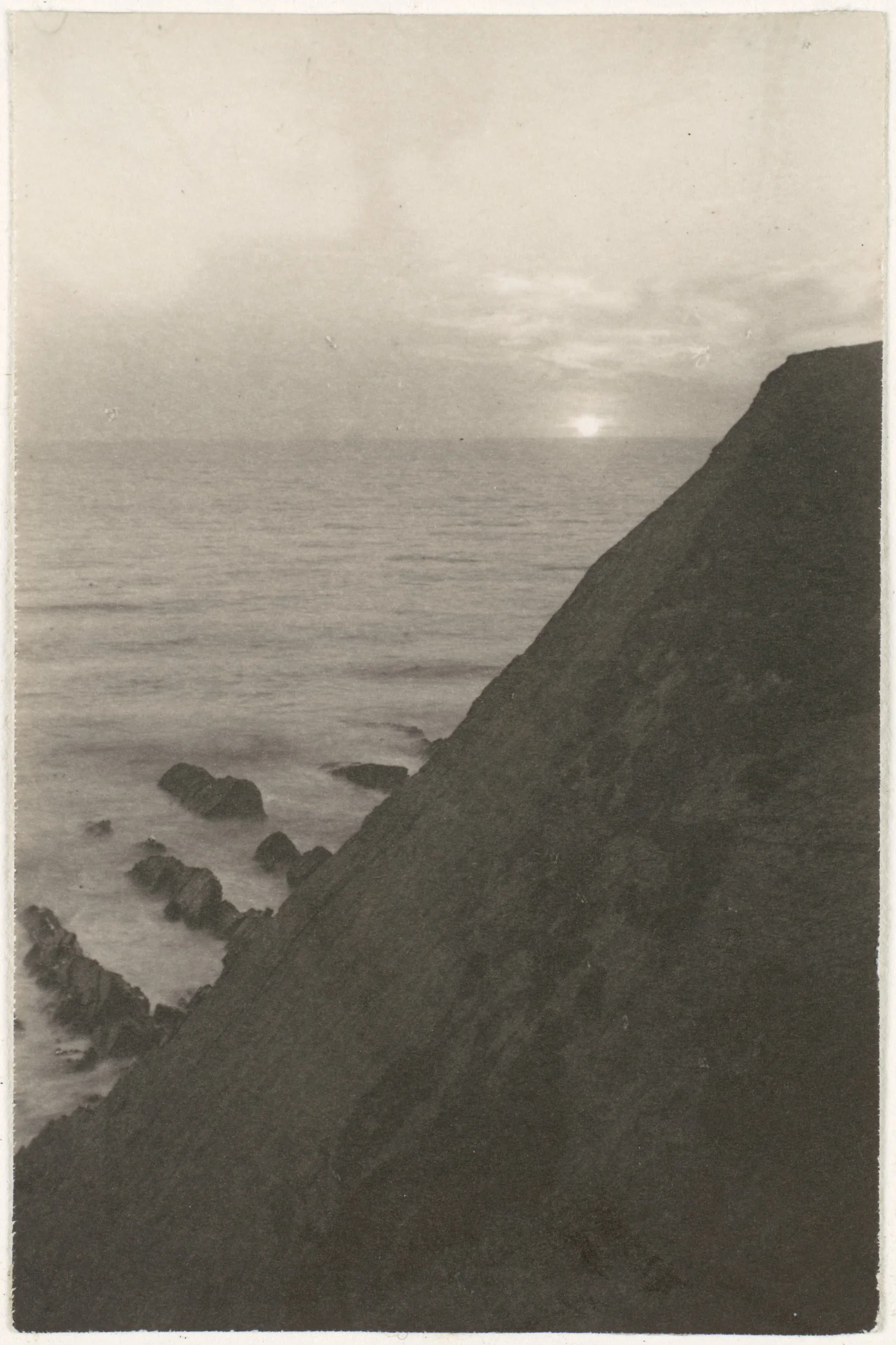
Bude — Frederick H. Evans

c. 1910s-20s

Bude

Platinum print

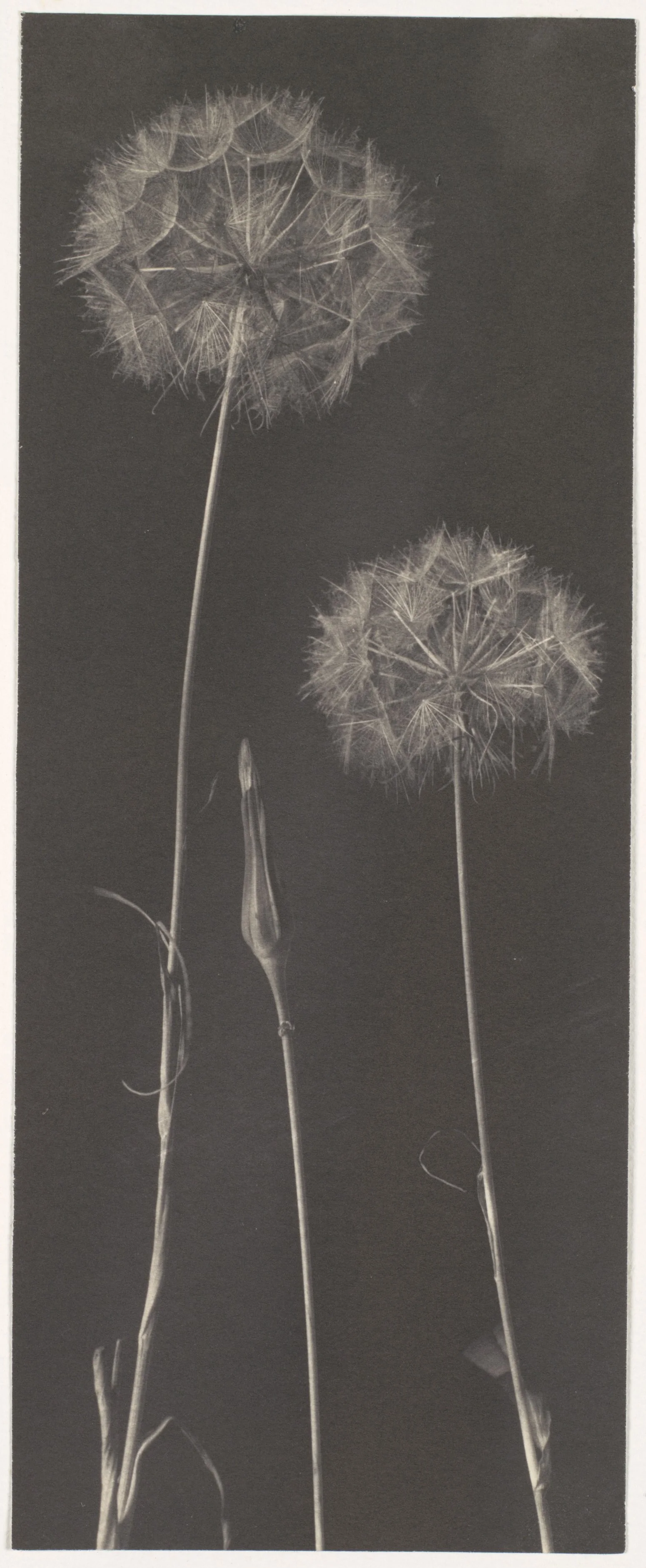
Dandelions — Frederick H. Evans

c. 1900s-1920s

Dandelions

Platinum print

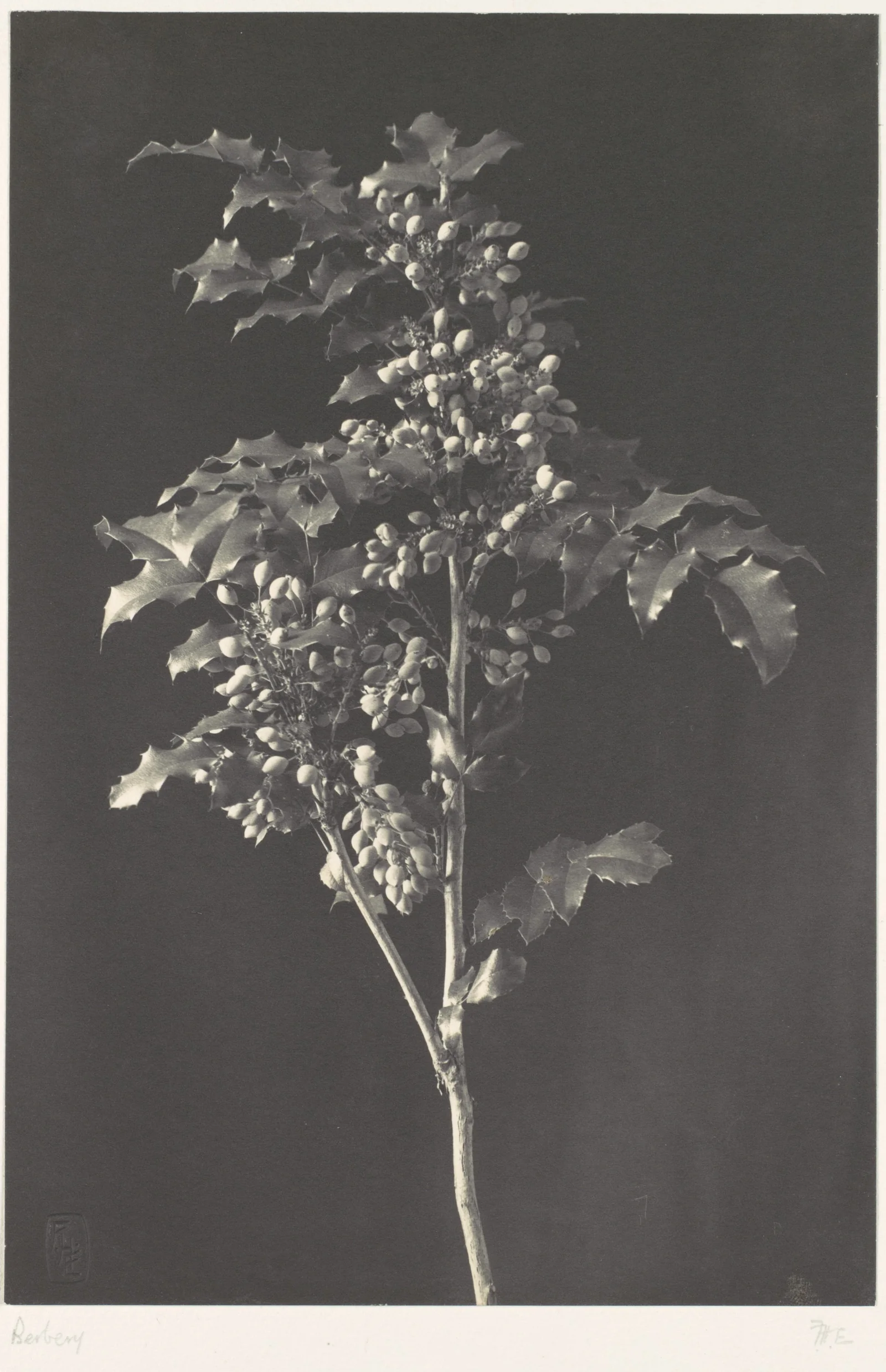
A Stalk of Berbery — Frederick H. Evans

c. 1900s-1910s

A Stalk of Berbery

Platinum print

Commission a print after Frederick H. Evans

Maison Picturale produces on commission contemporary prints after works by Frederick H. Evans that have entered the public domain. Hand-printed by master printers Tristan Sidem and Raphaël Lebas de Lacour on 640 gsm cotton paper, signed and numbered in limited edition, with a certificate of authenticity explicitly mentioning the "after" nature of the reinterpretation.
Start a commission