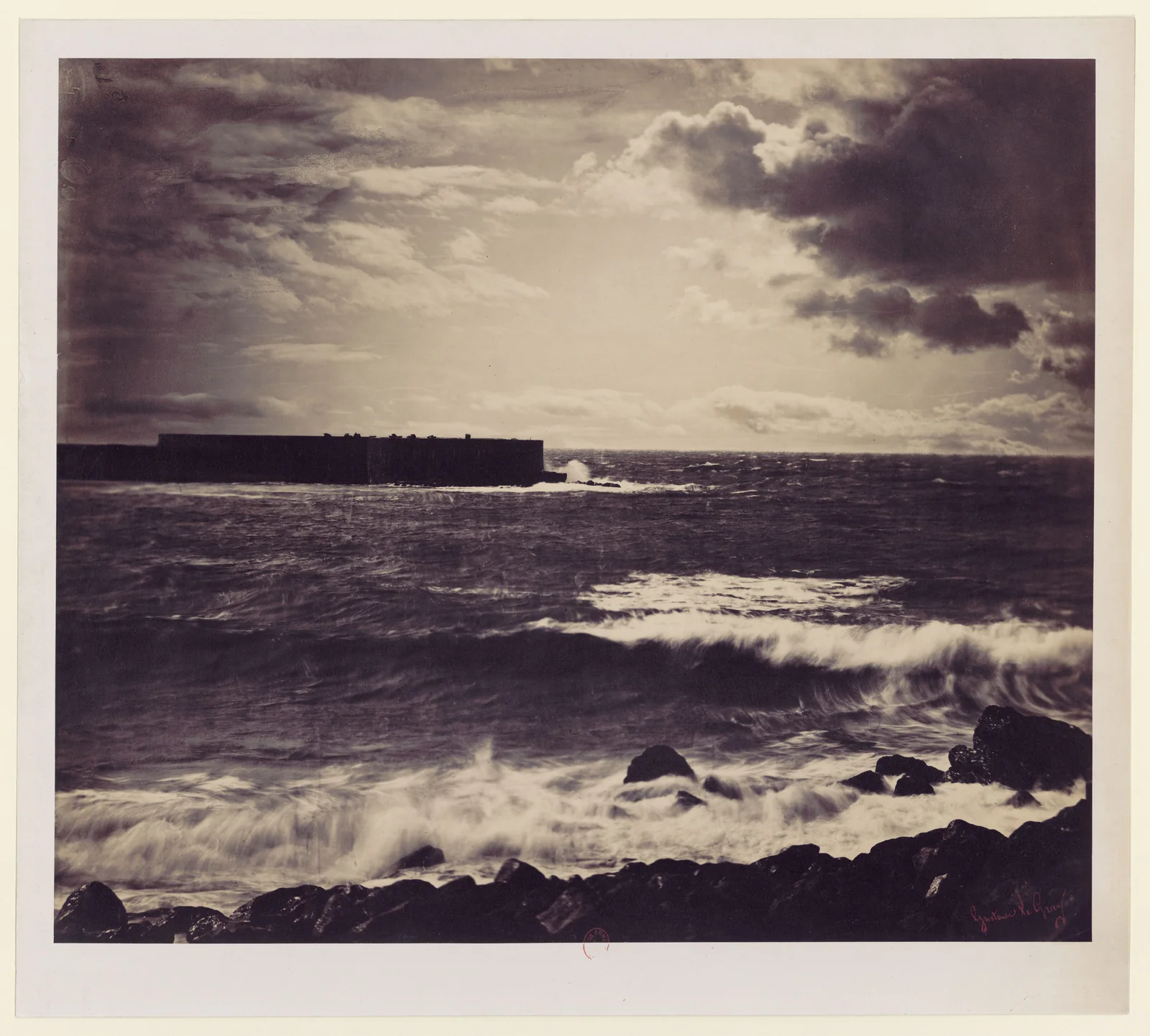
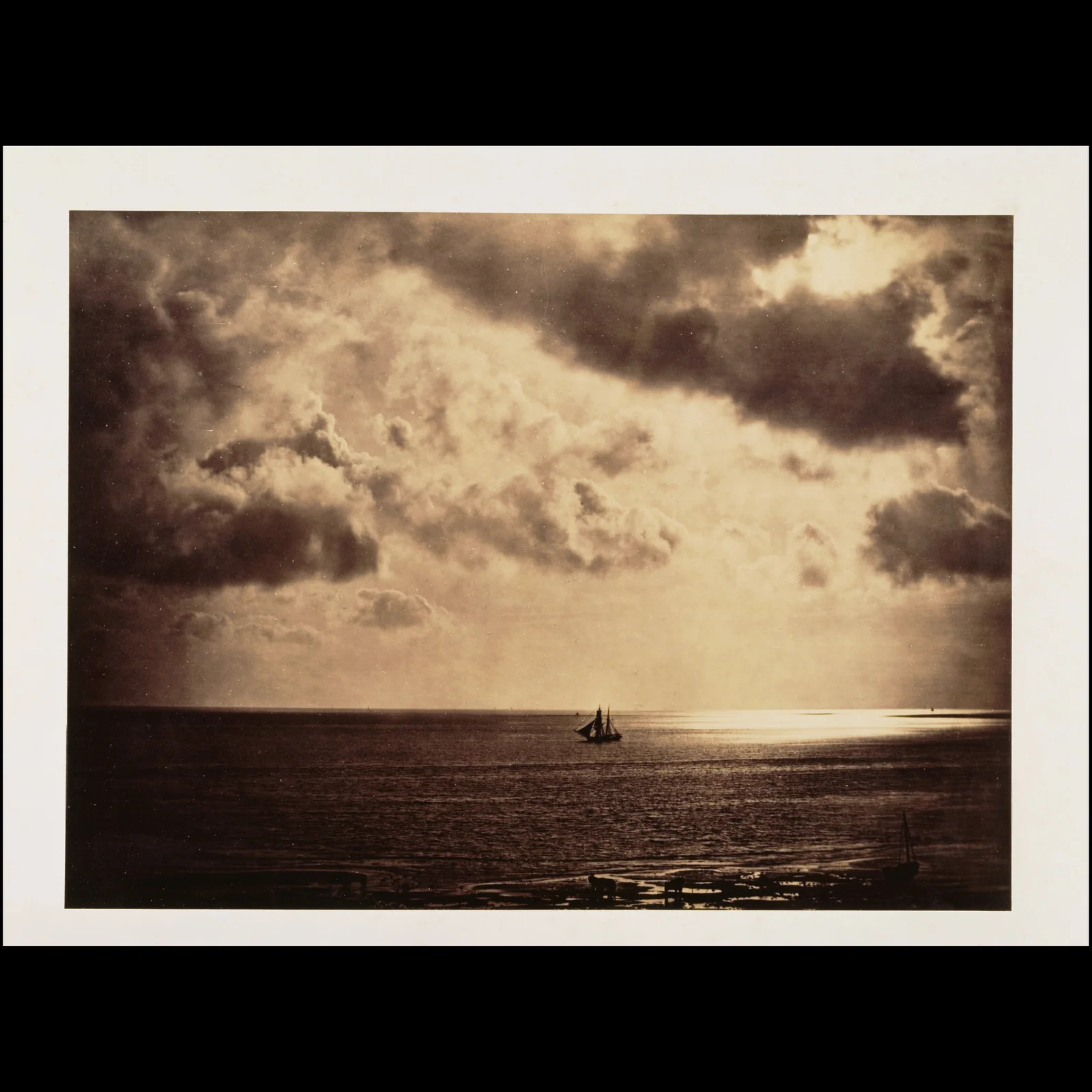
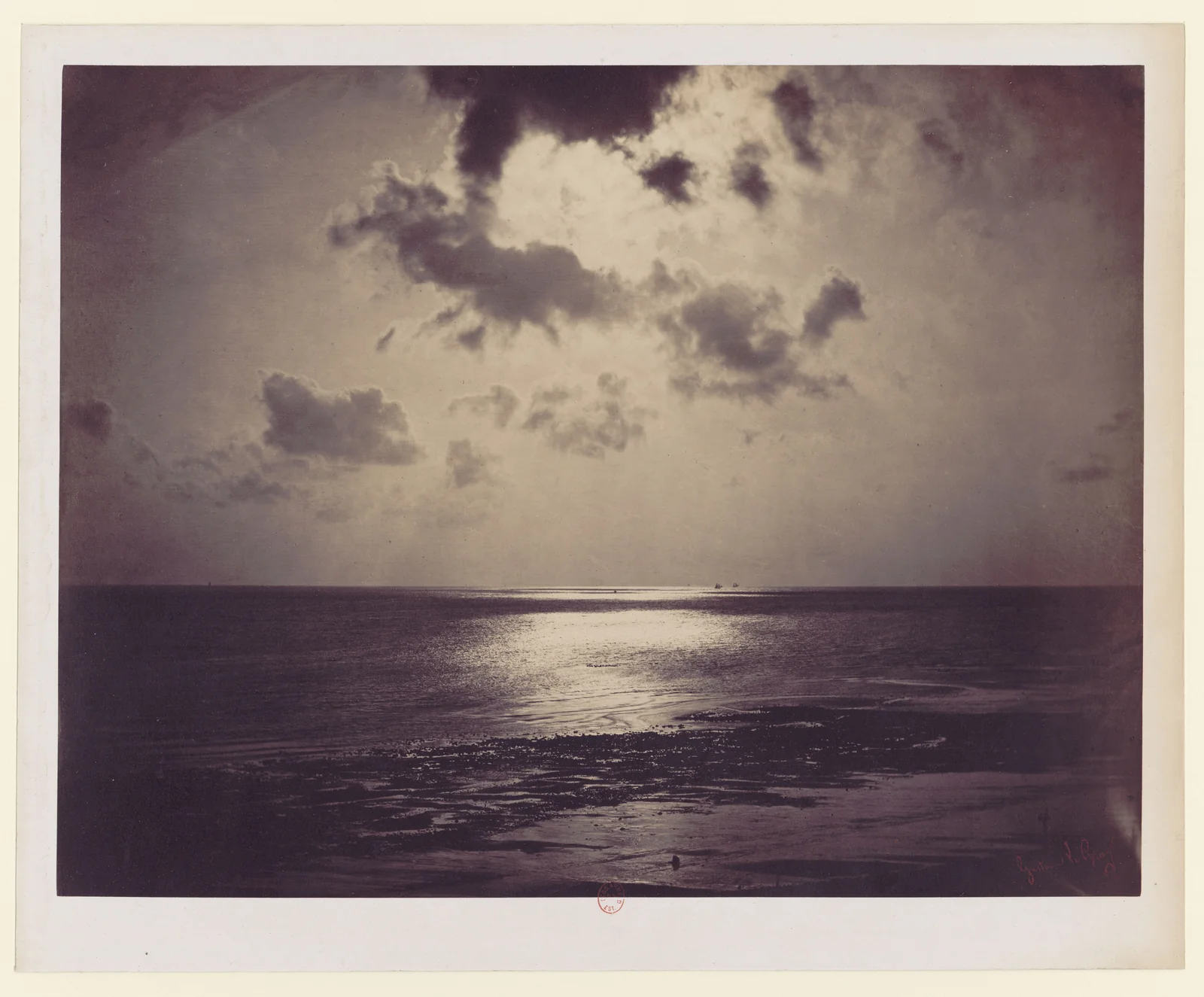
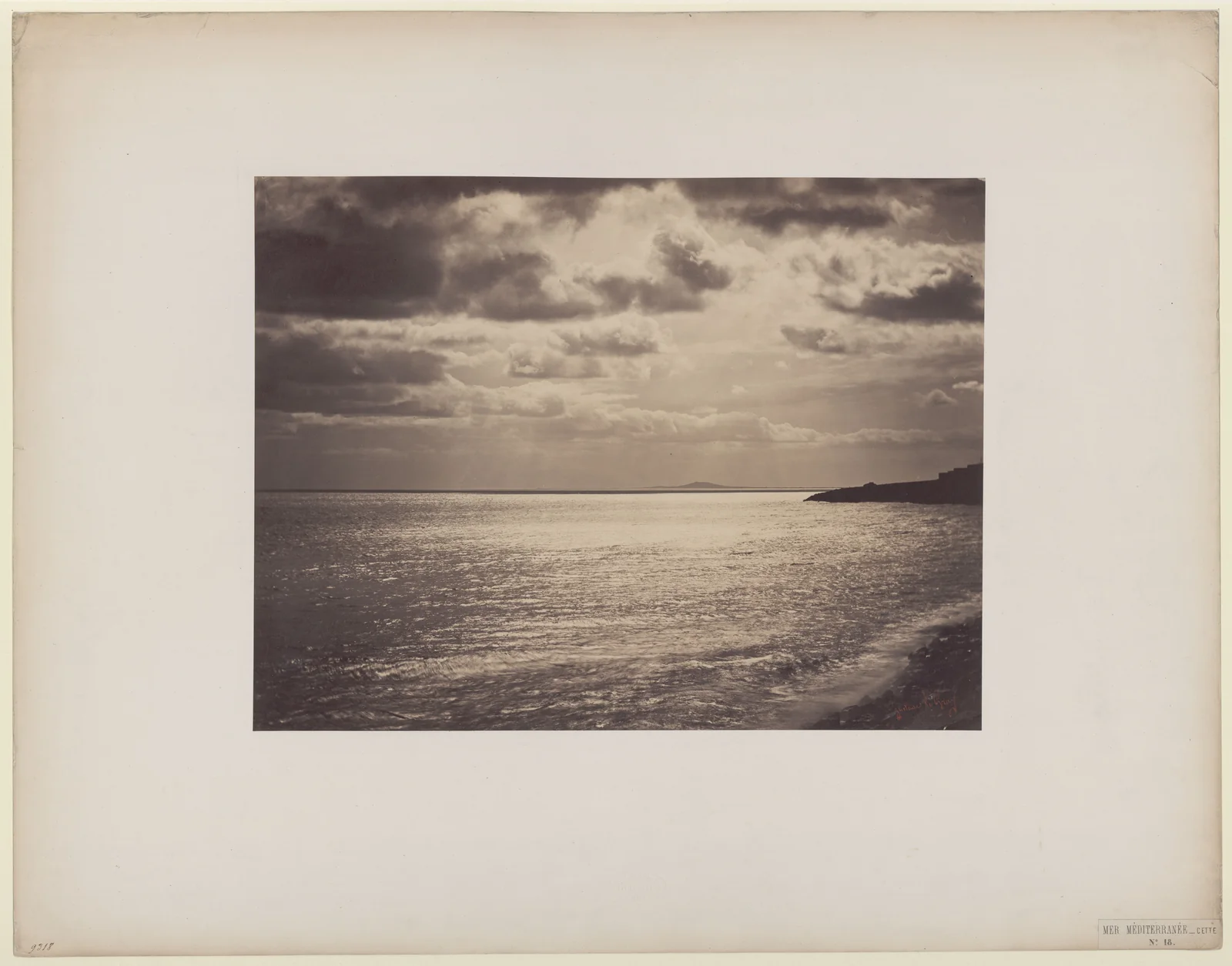
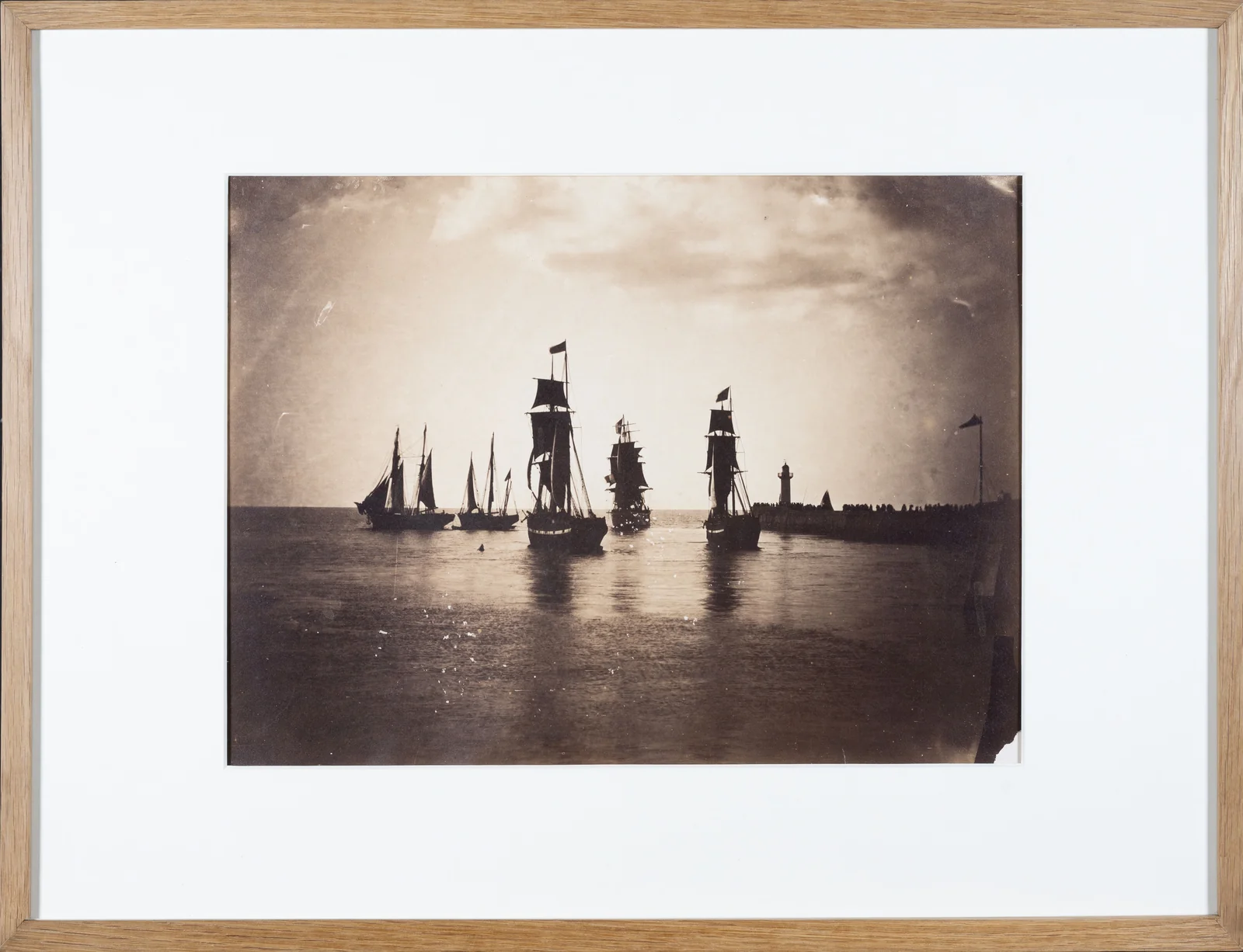
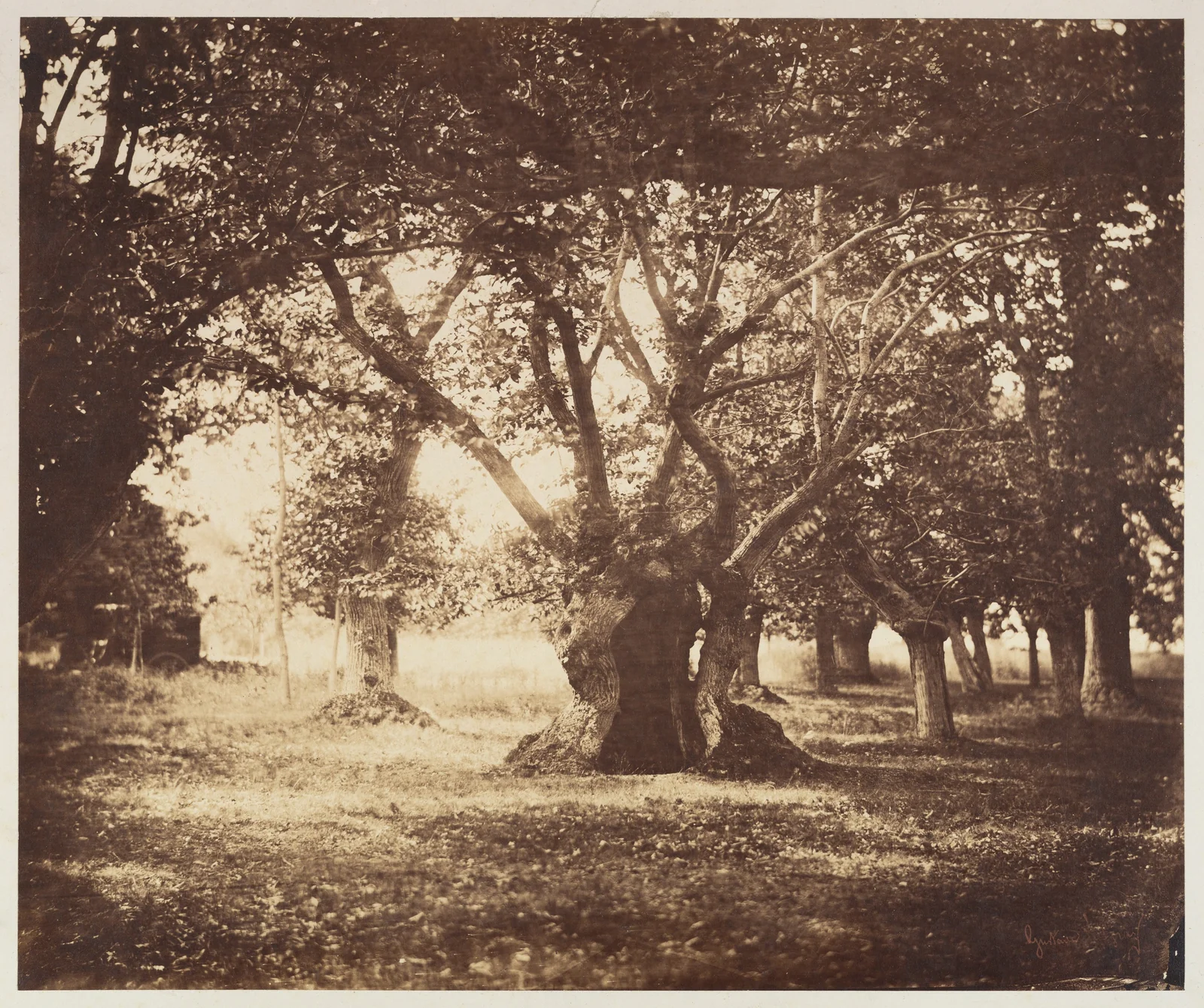
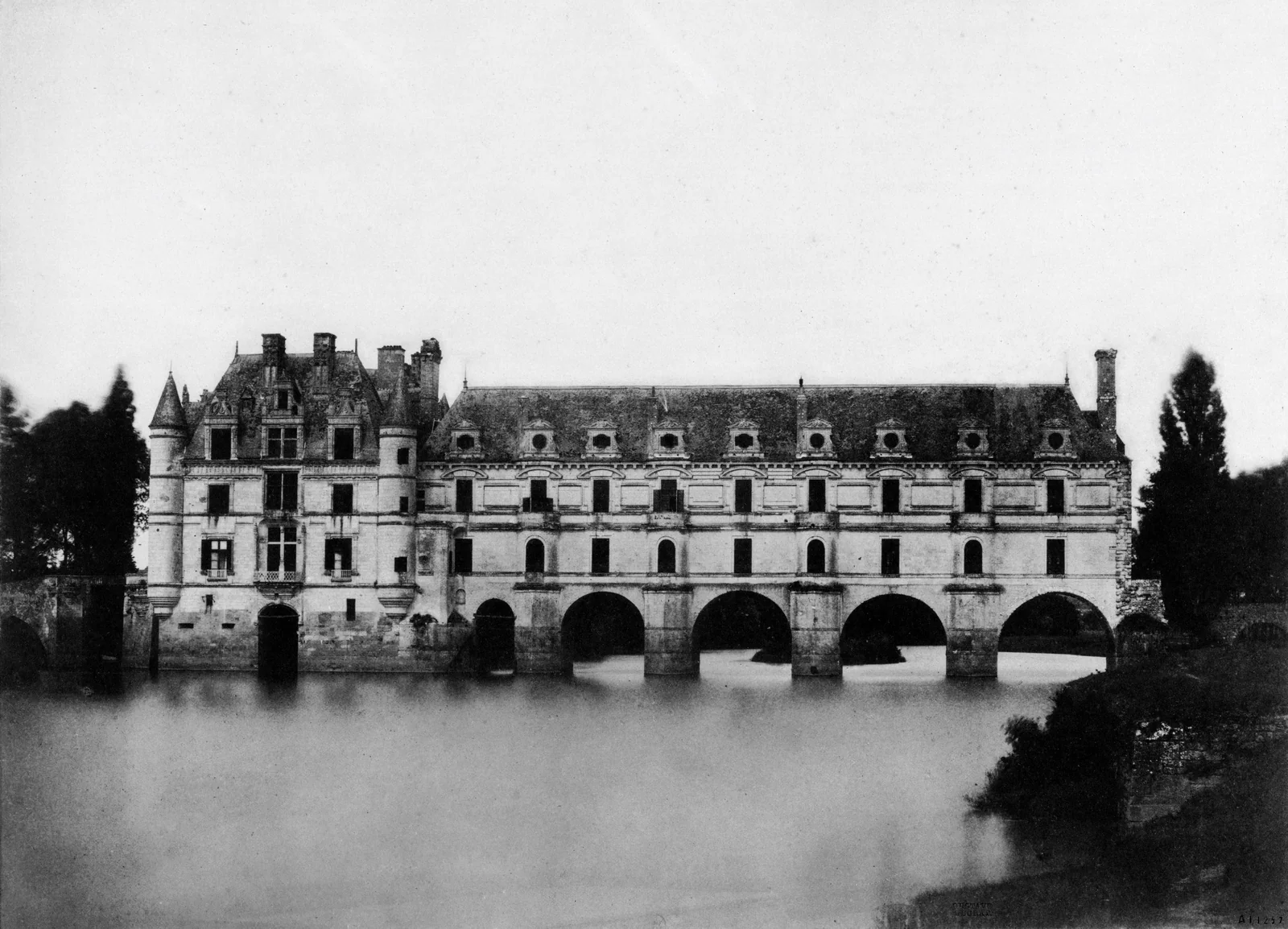
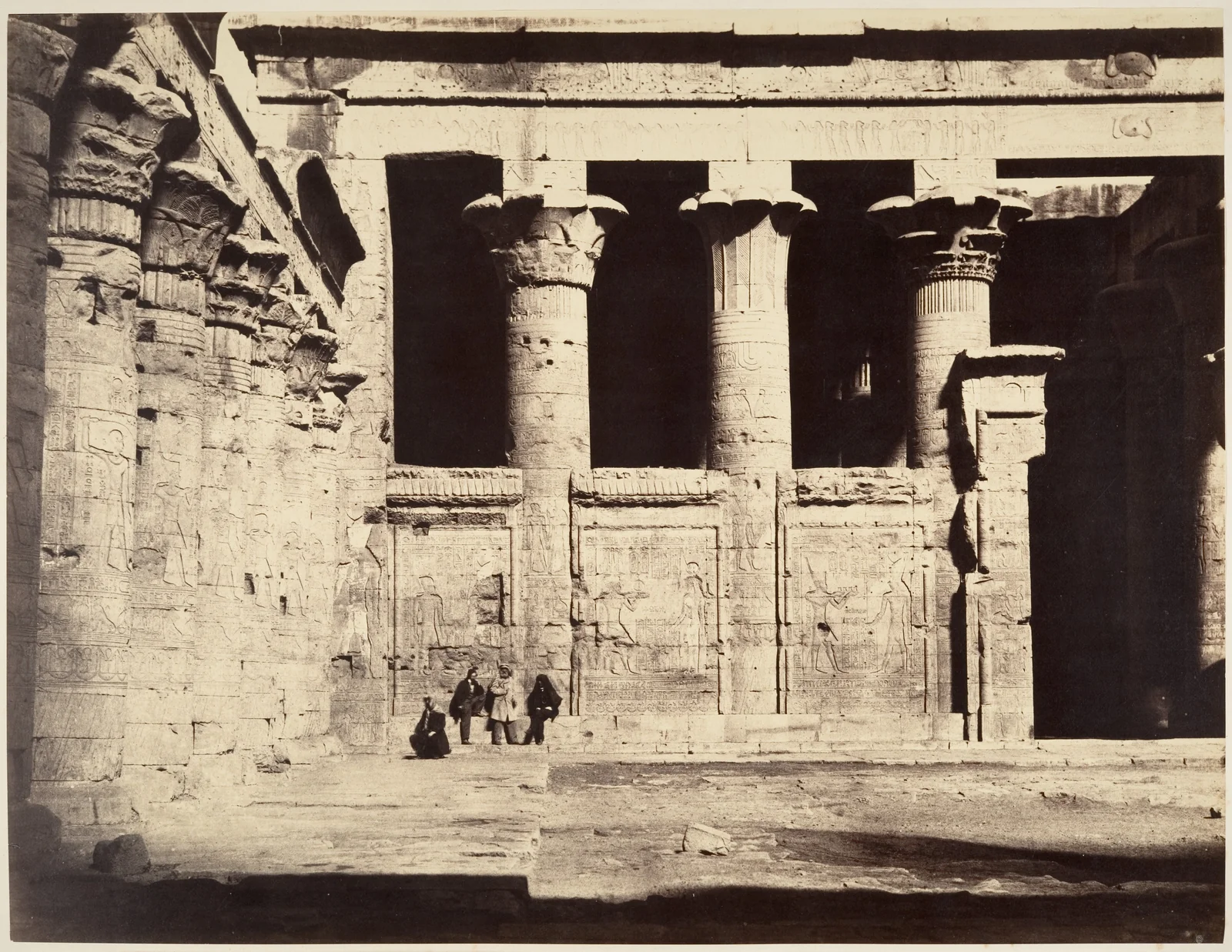
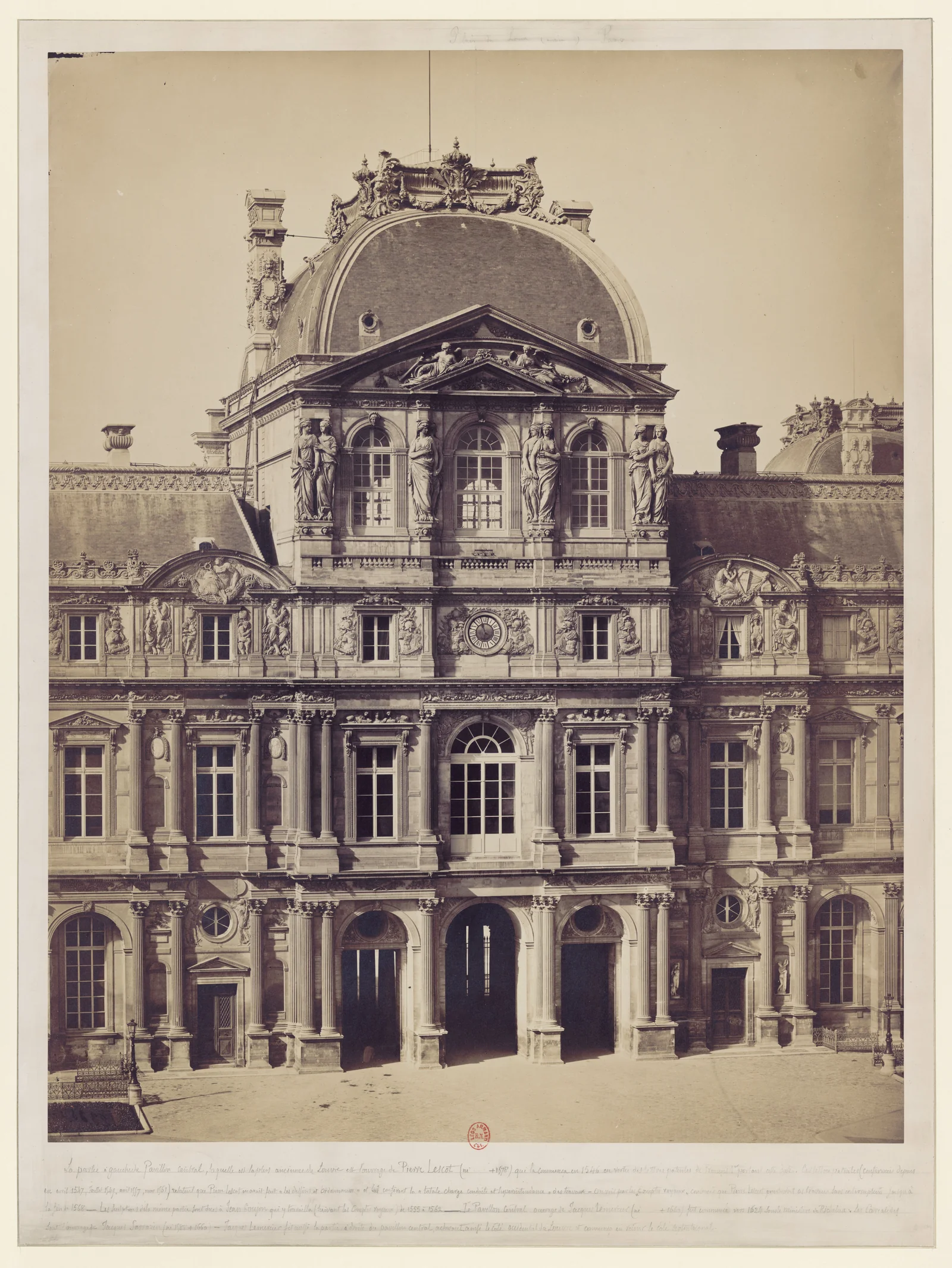
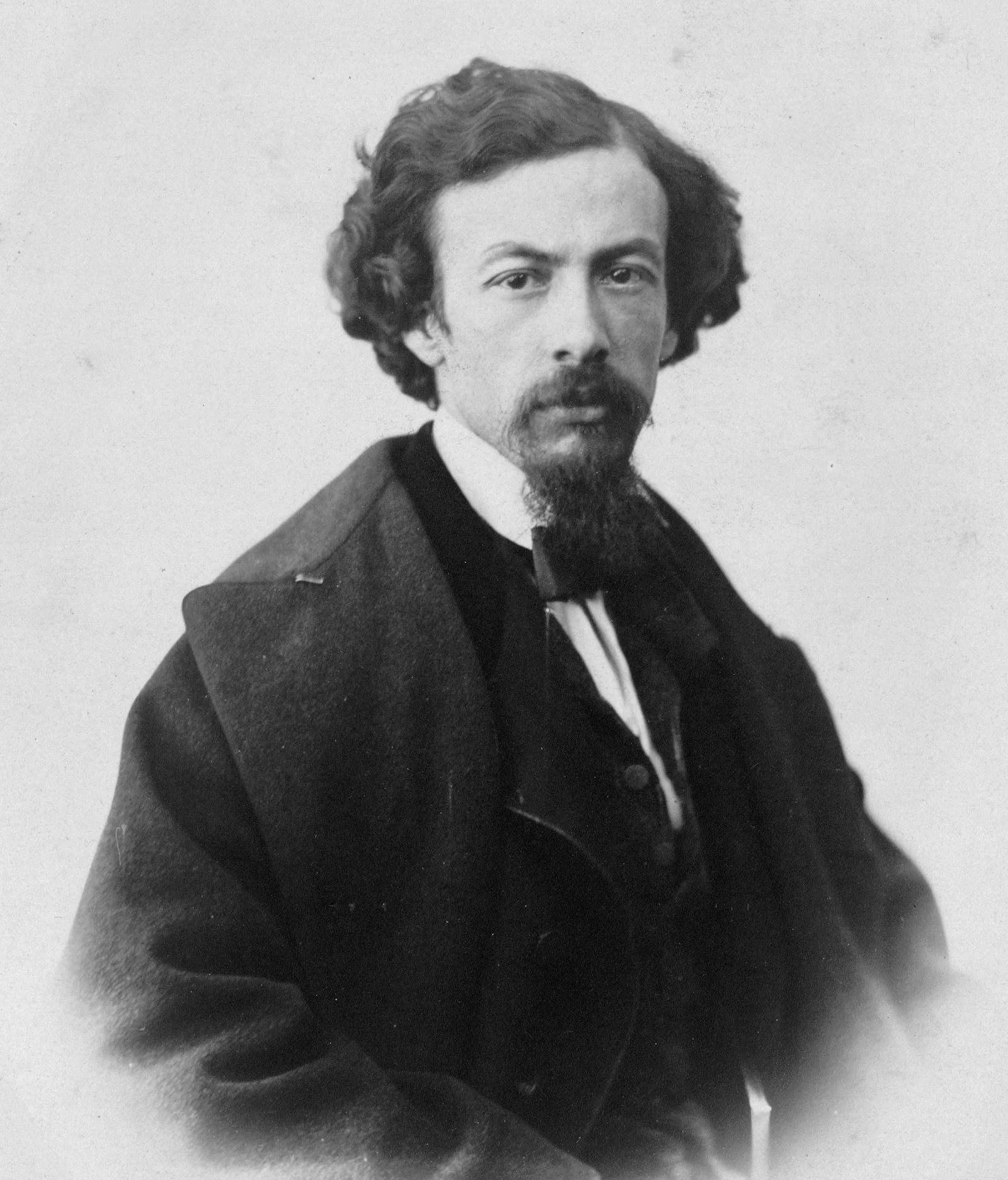
Gustave Le Gray (1820-1884) is the French photographer who invented the waxed-paper negative (1851), pioneered combined-negative seascapes, and produced the Mission Héliographique commissions documenting France's medieval heritage. His marine compositions remain among the 19th century's most celebrated photographs.
Public domain since 1955 · CPI L.123-1
Held at
Metropolitan Museum of Art
Musée d'Orsay
Bibliothèque nationale de France
J. Paul Getty Museum
V&A Museum
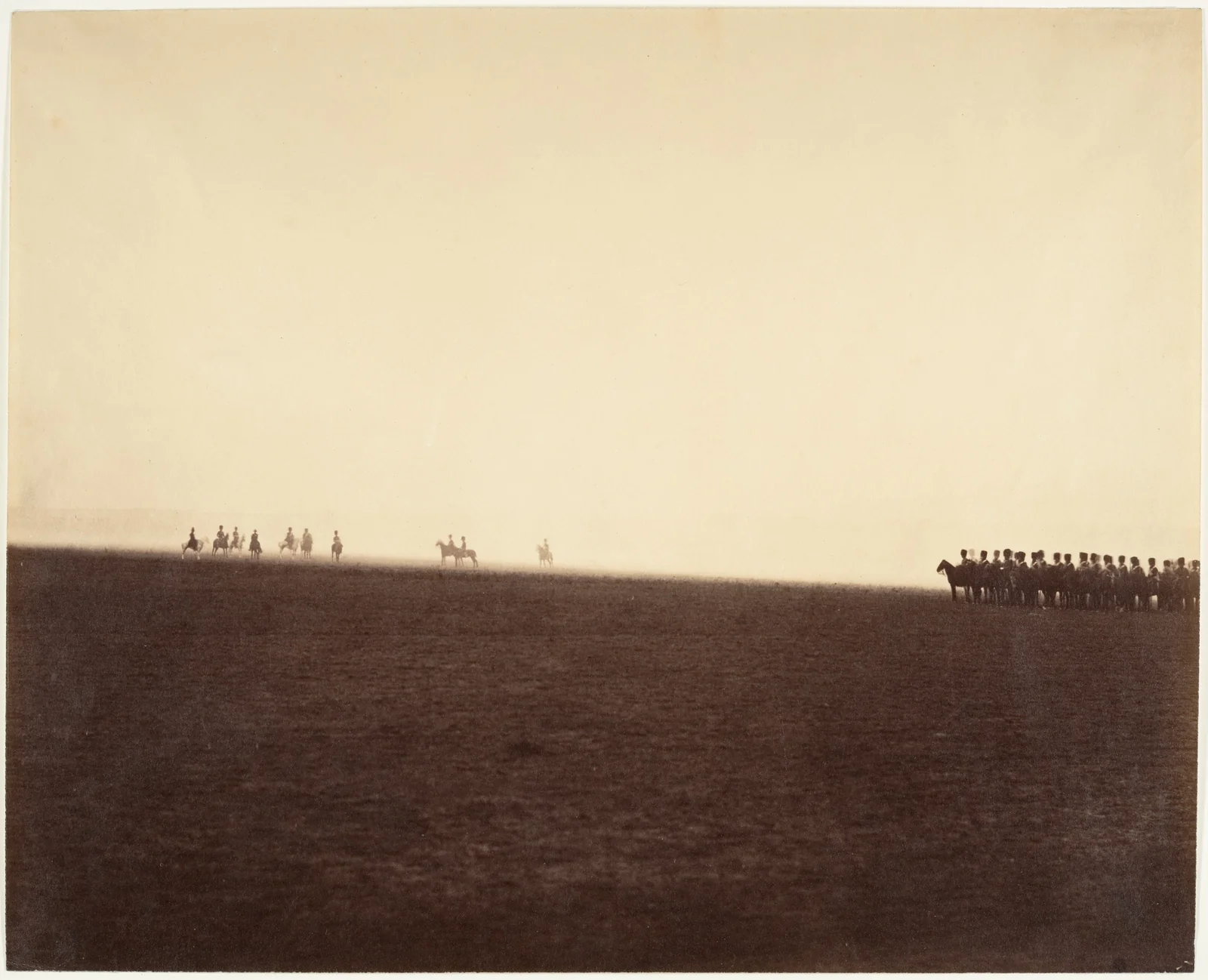
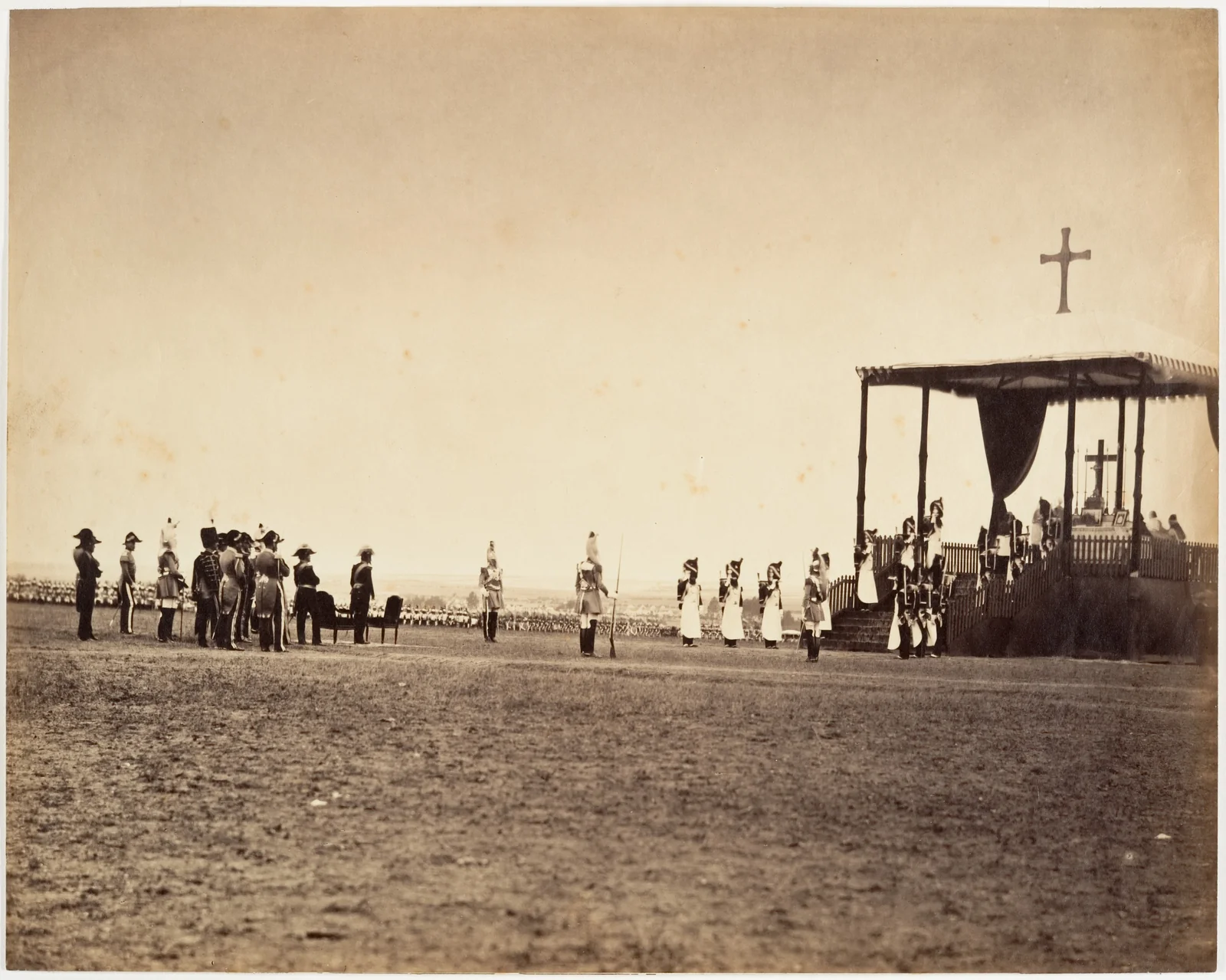
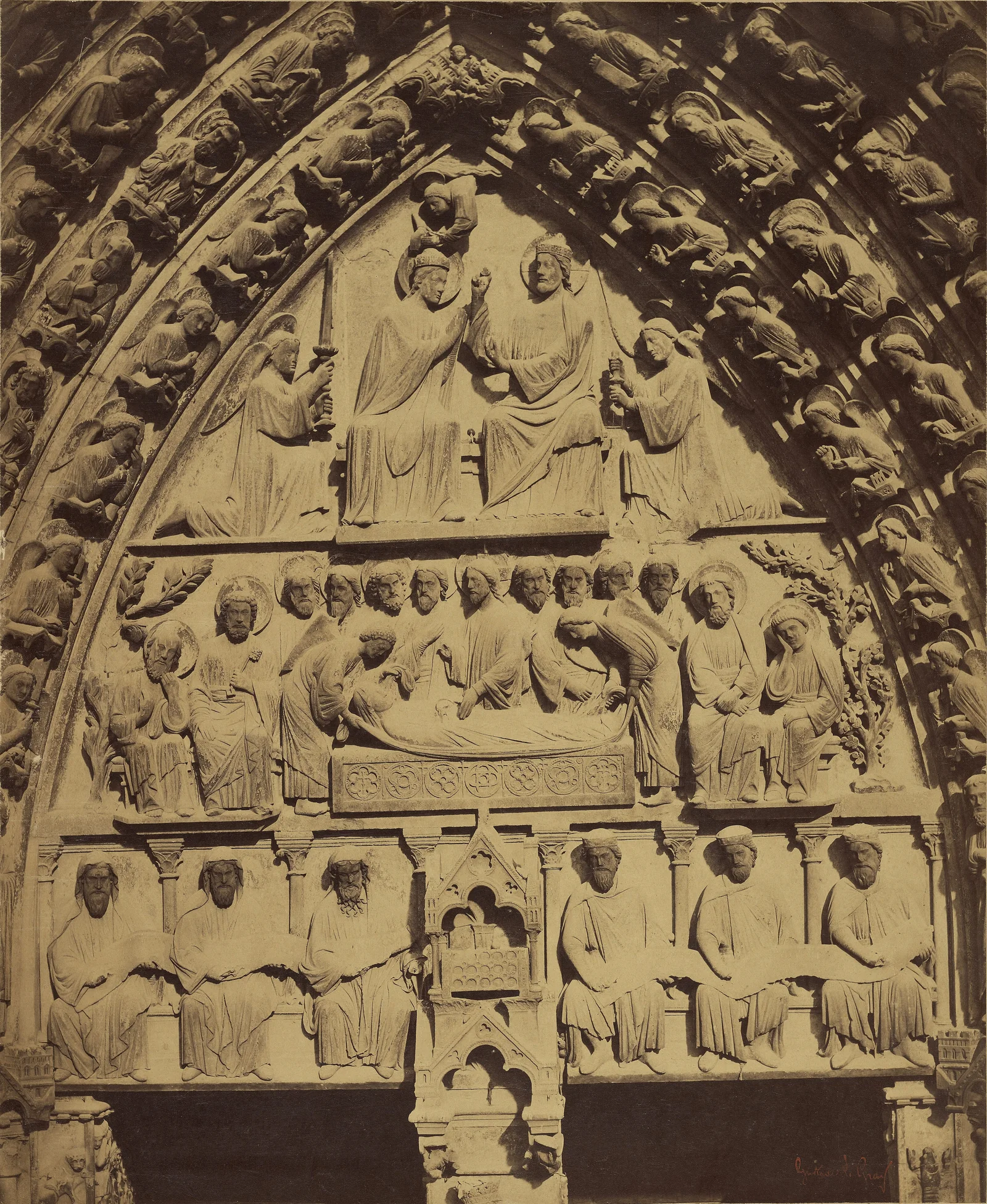
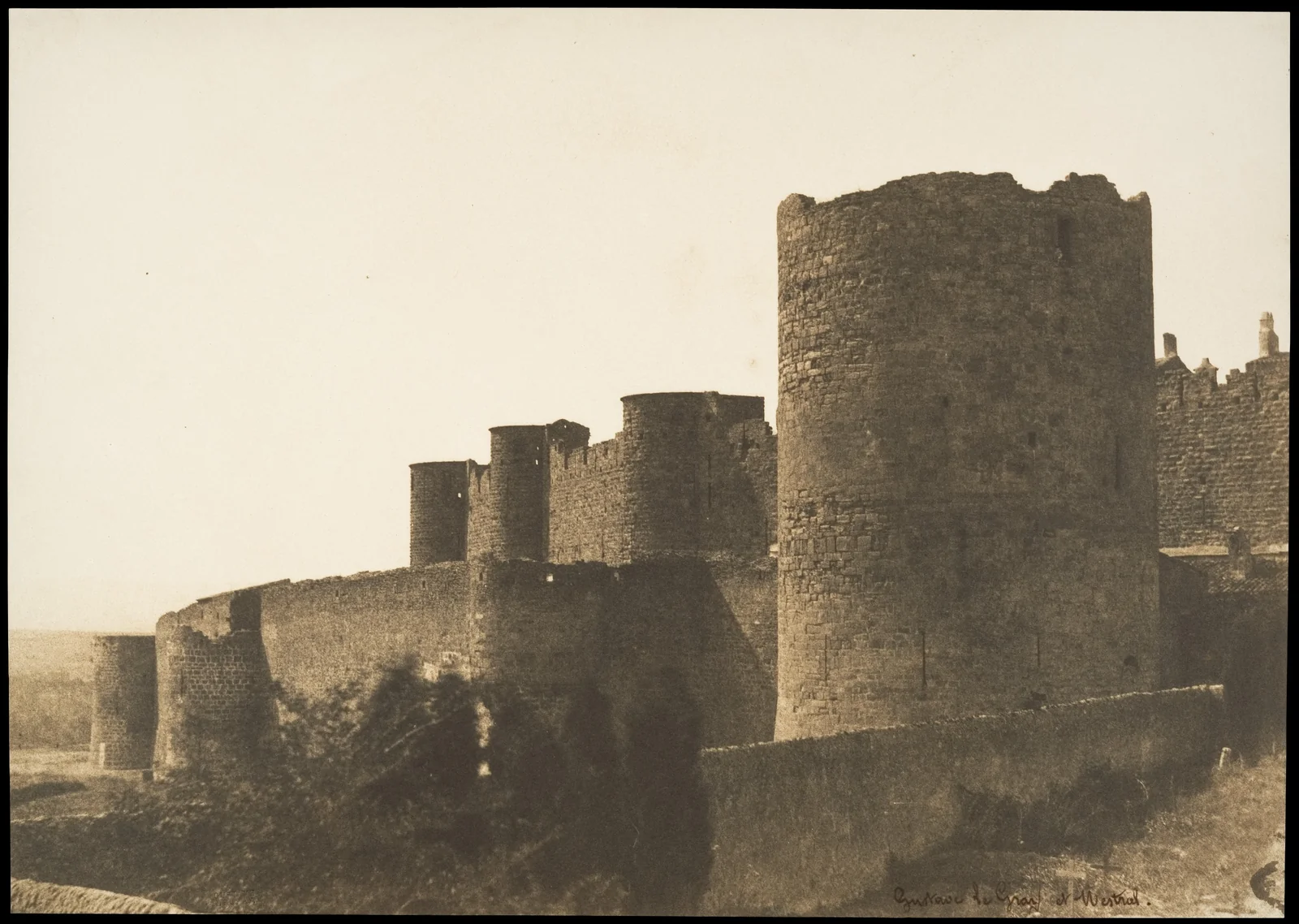
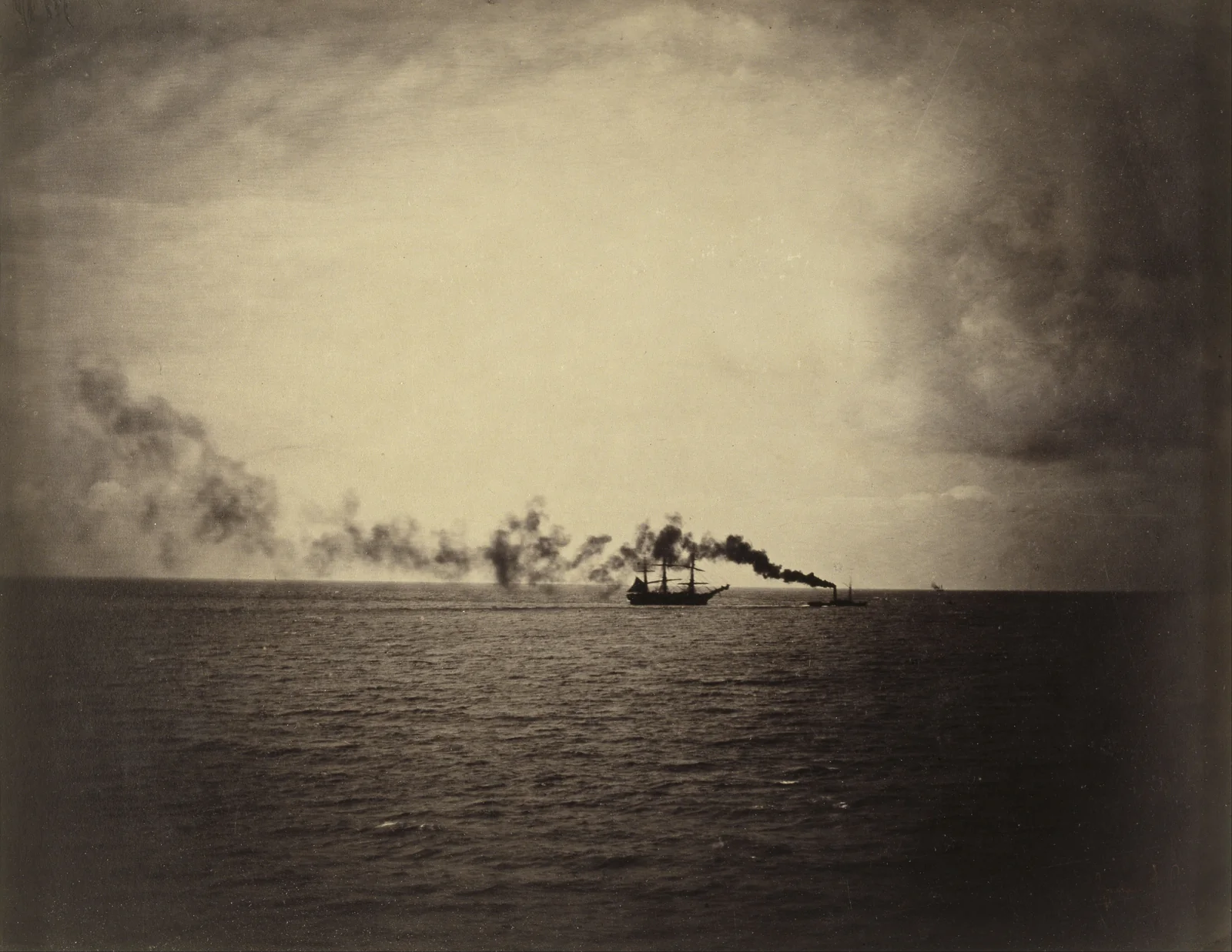
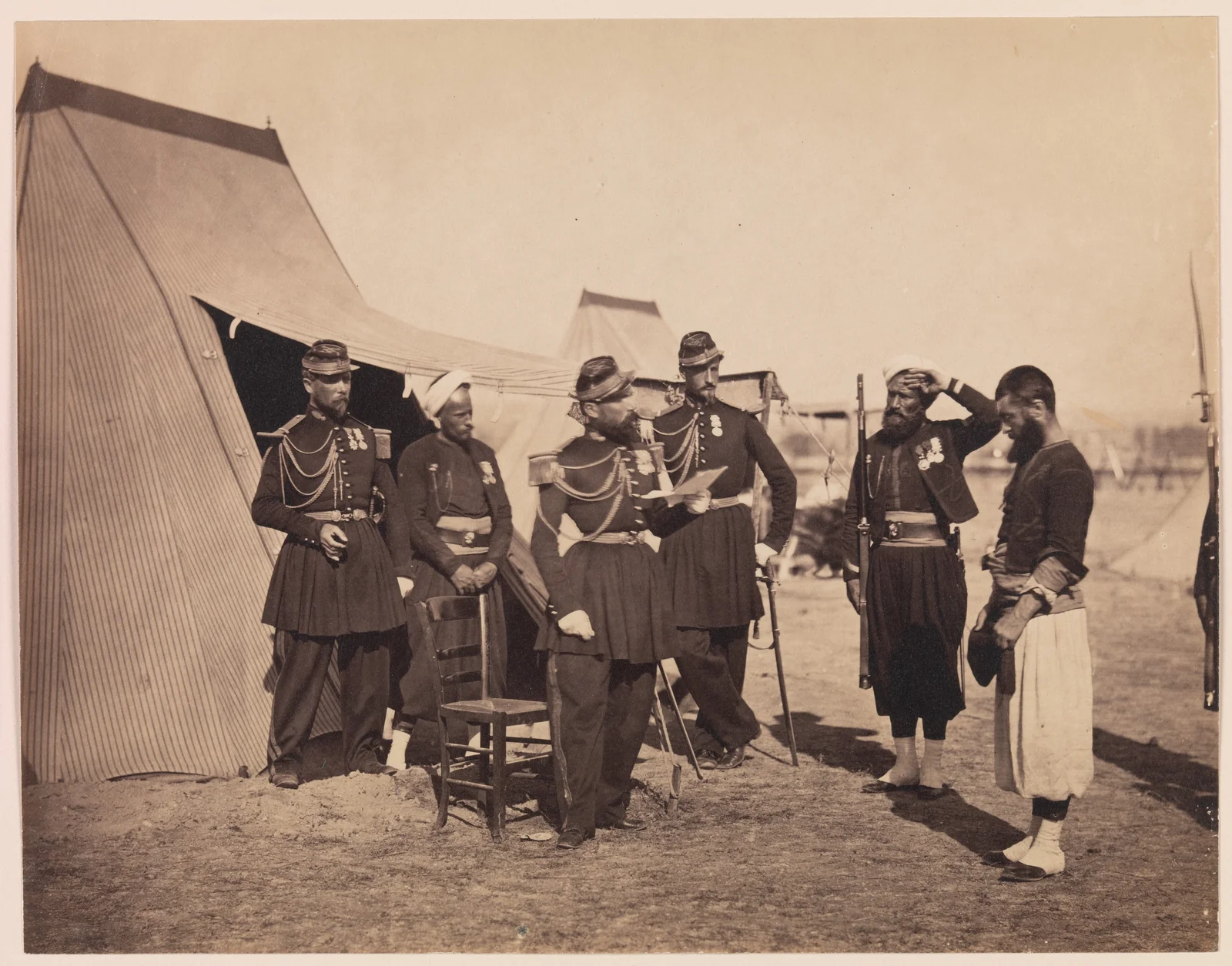
Trained as a painter in the studios of Paul Delaroche — where he later took on Henri Le Secq, Charles Nègre, Nadar, Olympe Aguado, and Maxime Du Camp as photography students — Le Gray turned to photography in the late 1840s and invented the dry waxed-paper negative in 1851 — a process that revolutionized landscape photography by enabling extended exposures and travel without portable darkrooms. The same year, he co-founded the Société héliographique — the first photographic society in the world. Selected by the Commission des Monuments Historiques for the Mission Héliographique of 1851 (with Henri Le Secq, Édouard Baldus, Hippolyte Bayard, and Auguste Mestral), he documented the medieval monuments of central and southern France. His 1856-1857 seascapes — particularly The Great Wave at Sète and The Brig — were the first photographs to render both sky and sea with full tonal detail, achieved by combining two negatives. Commissioned by Napoleon III to document Camp de Châlons (1857), he ended his career in Egyptian exile after financial collapse. Held at MET, Orsay, BnF, Getty. Public domain since 1955. His waxed-paper negative opened the way for mobile landscape photography, before wet collodion (Archer, 1851) and later gelatin silver bromide (1871) superseded paper-based negatives.
Signature processes
The alternative processes practised by Gustave Le Gray, printed today at Maison Picturale using Vision Picturale's non-toxic reformulated chemistry.
A curated selection of public-domain works by Gustave Le Gray, reinterpretable as contemporary prints by Maison Picturale's master printers. Each artwork page details the original process and its atelier equivalent.
Print after — systematic mention on the certificate of authenticity.
The rest of Gustave Le Gray's public-domain corpus: plates kept in our editorial archives. Reproducible on request, without dedicated editorial study.
5 archived plates
c. 1857
Steamboat
Albumen silver print
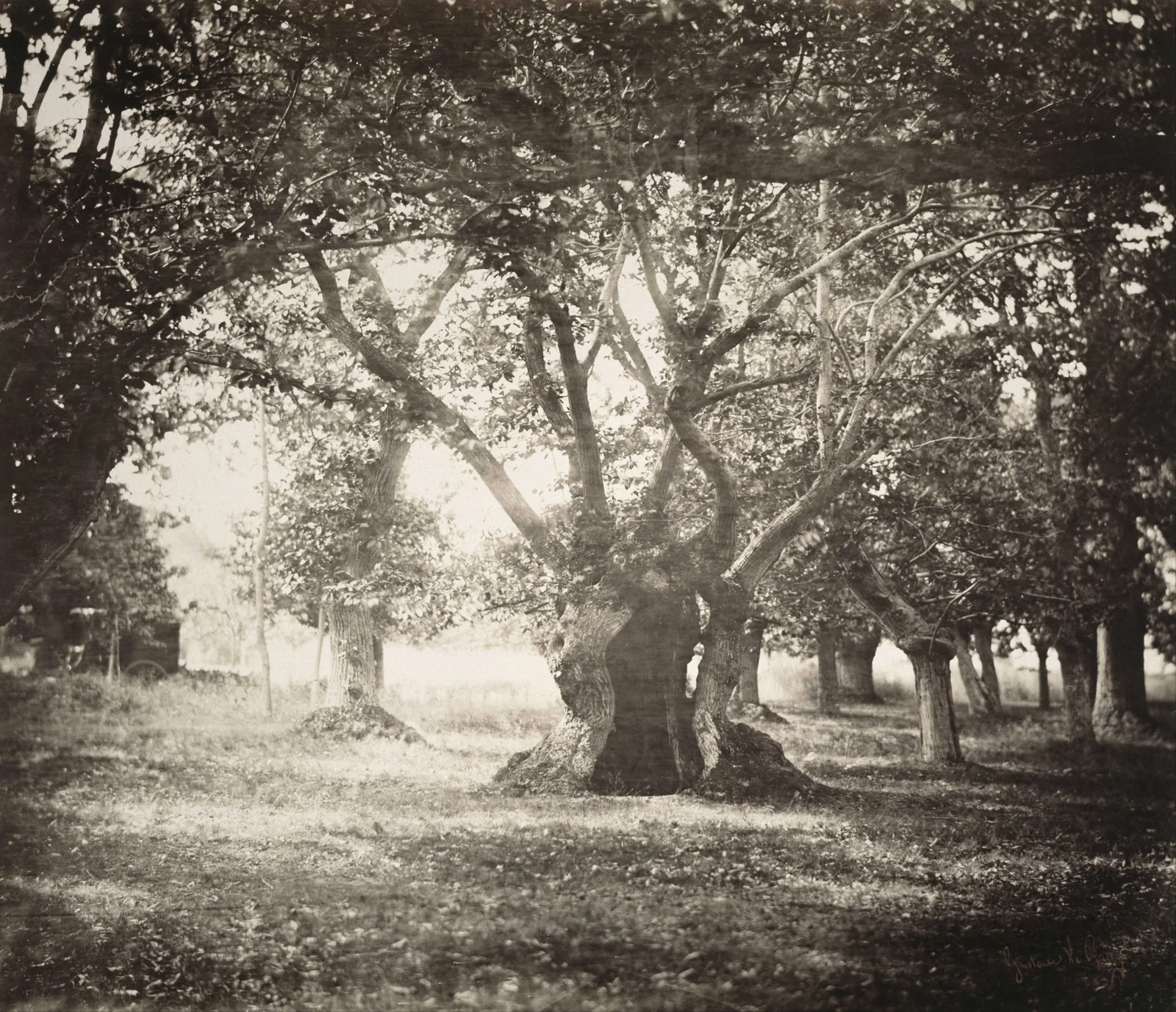
c. 1849-1852
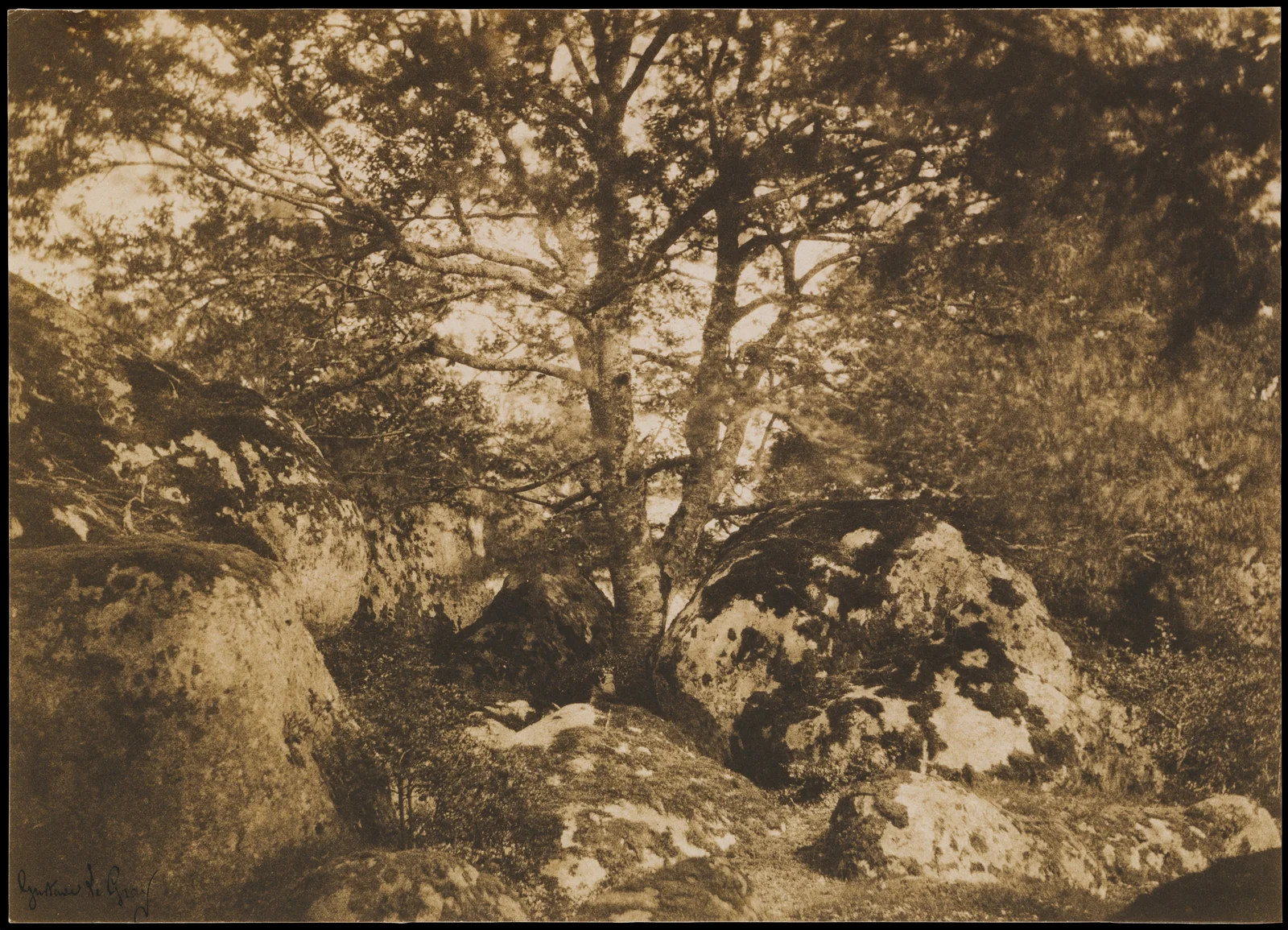
Tree, Forest of Fontainebleau
Salted paper print from waxed-paper negative
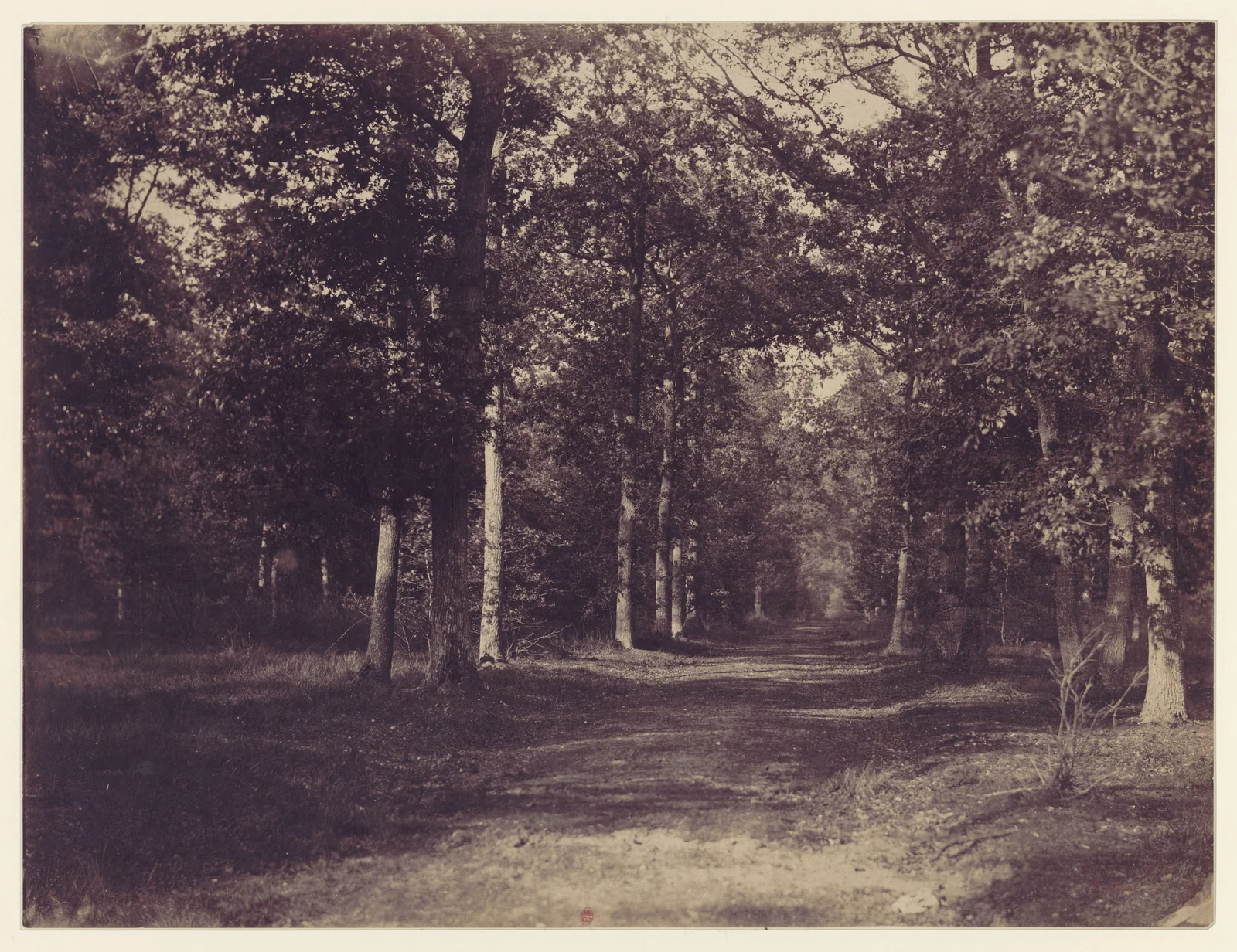
c. 1855-1857
Pathway in the Forest of Fontainebleau
Albumen silver print
1857
Zouaves, Camp de Châlons
Albumen silver print from collodion glass negative
c. 1859
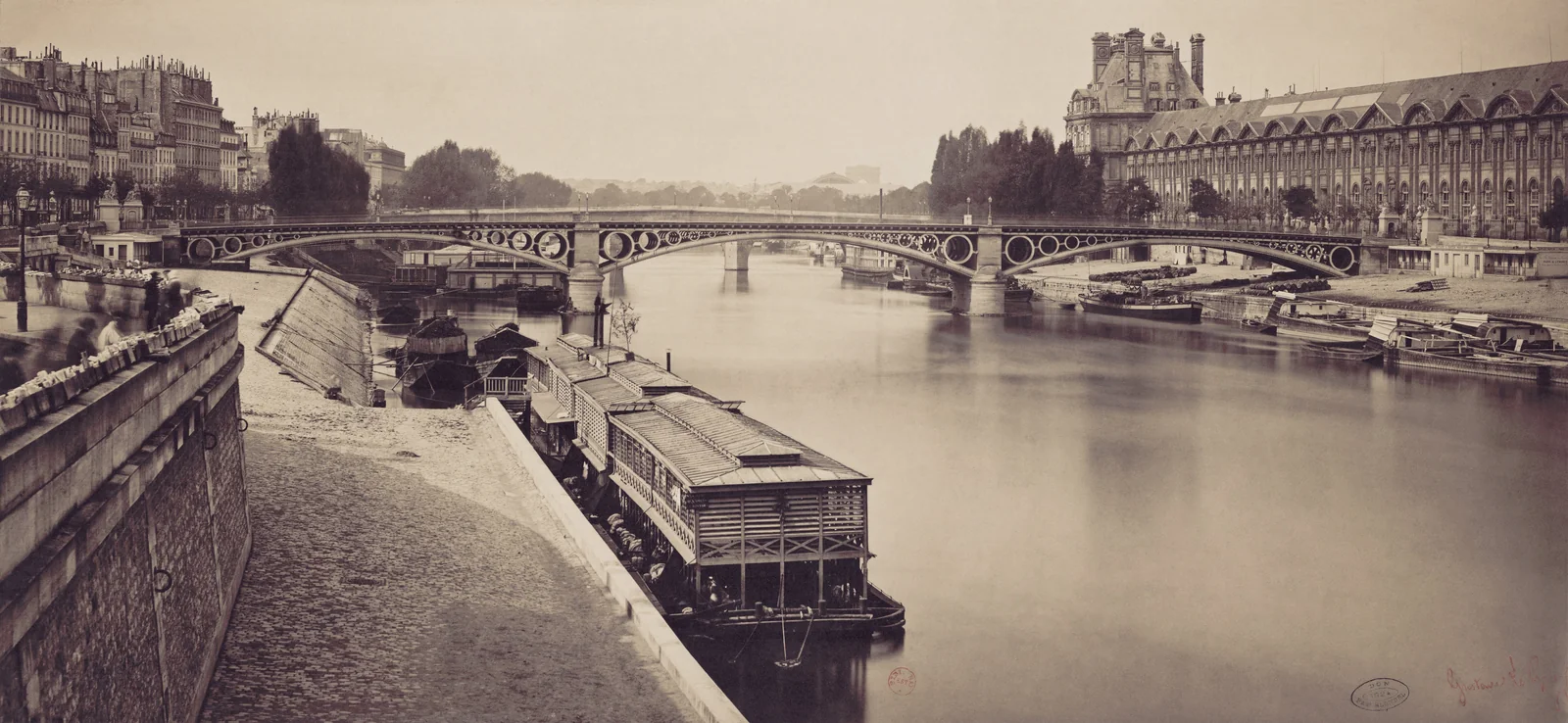
Pont du Carrousel, Paris
Albumen silver print
Commission a print after Gustave Le Gray
Maison Picturale produces on commission contemporary prints after works by Gustave Le Gray that have entered the public domain. Hand-printed by master printers Tristan Sidem and Raphaël Lebas de Lacour on 640 gsm cotton paper, signed and numbered in limited edition, with a certificate of authenticity explicitly mentioning the "after" nature of the reinterpretation.