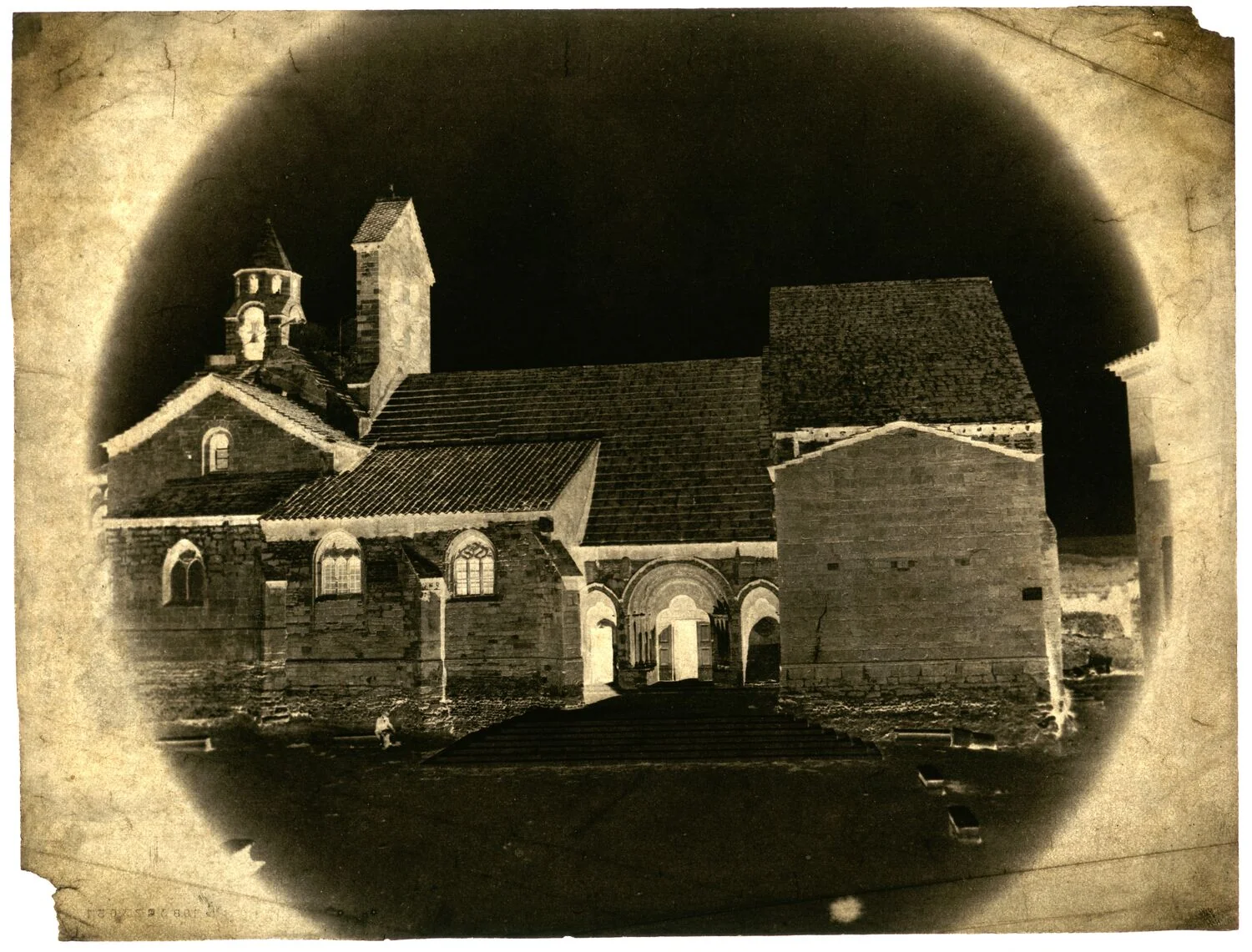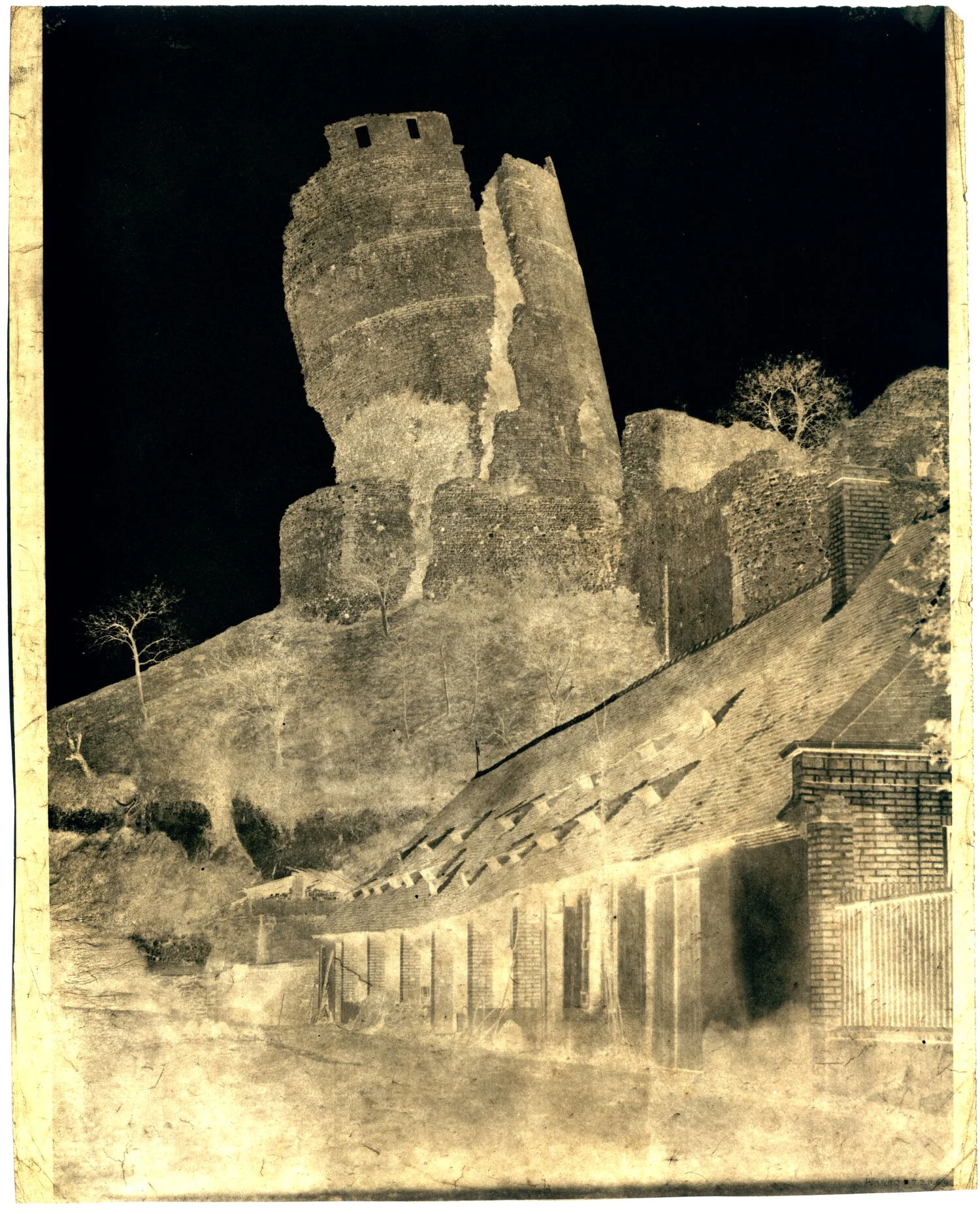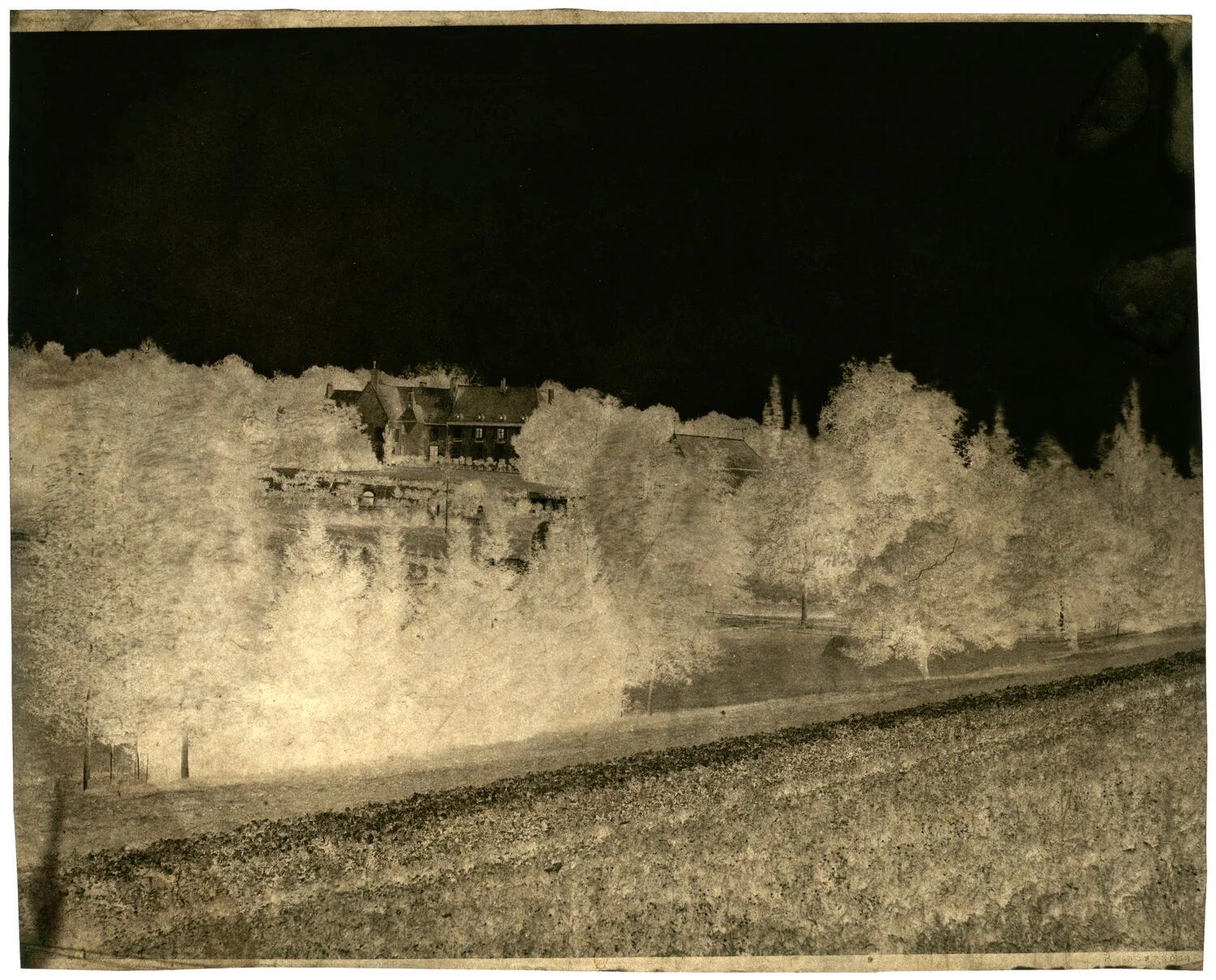
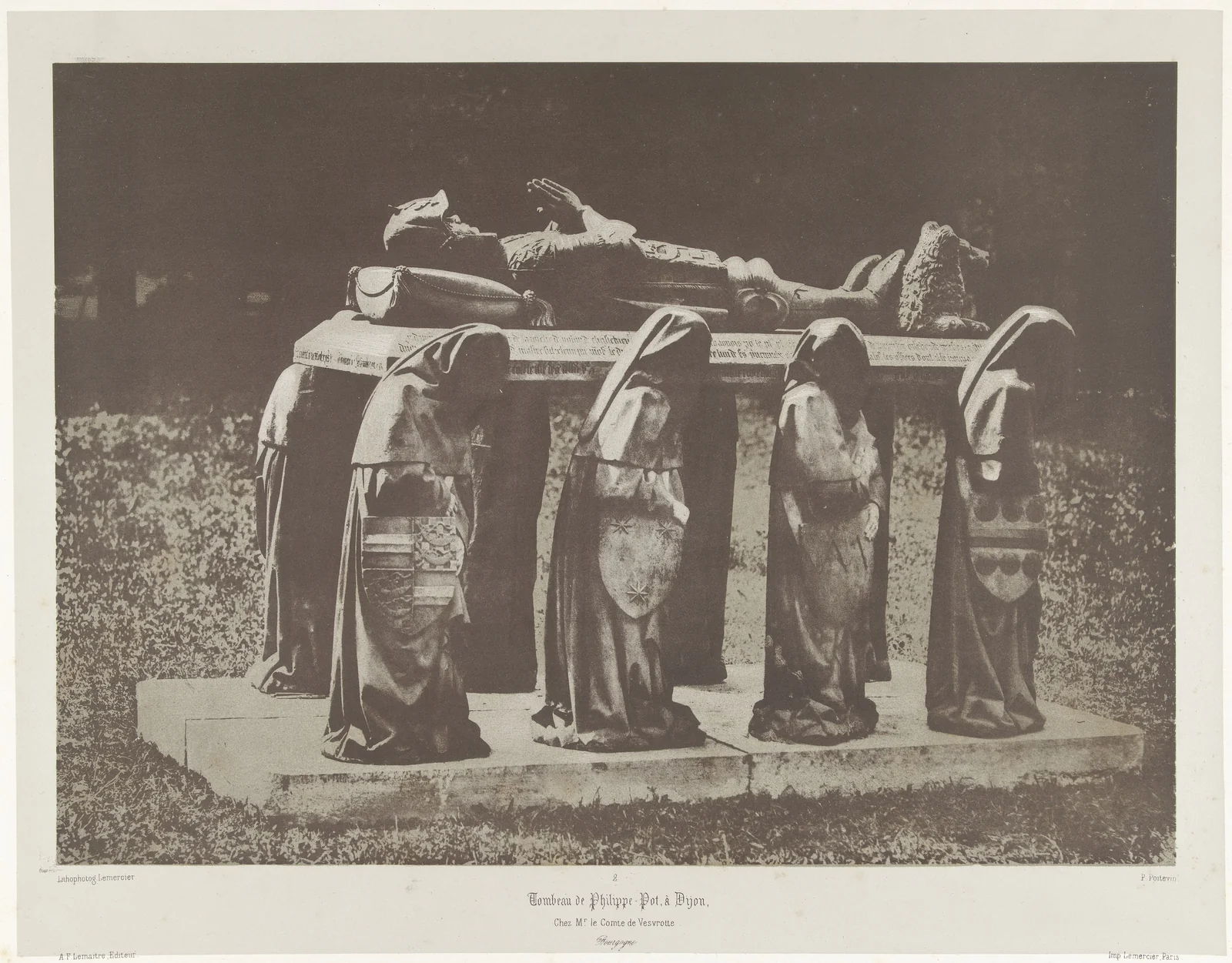
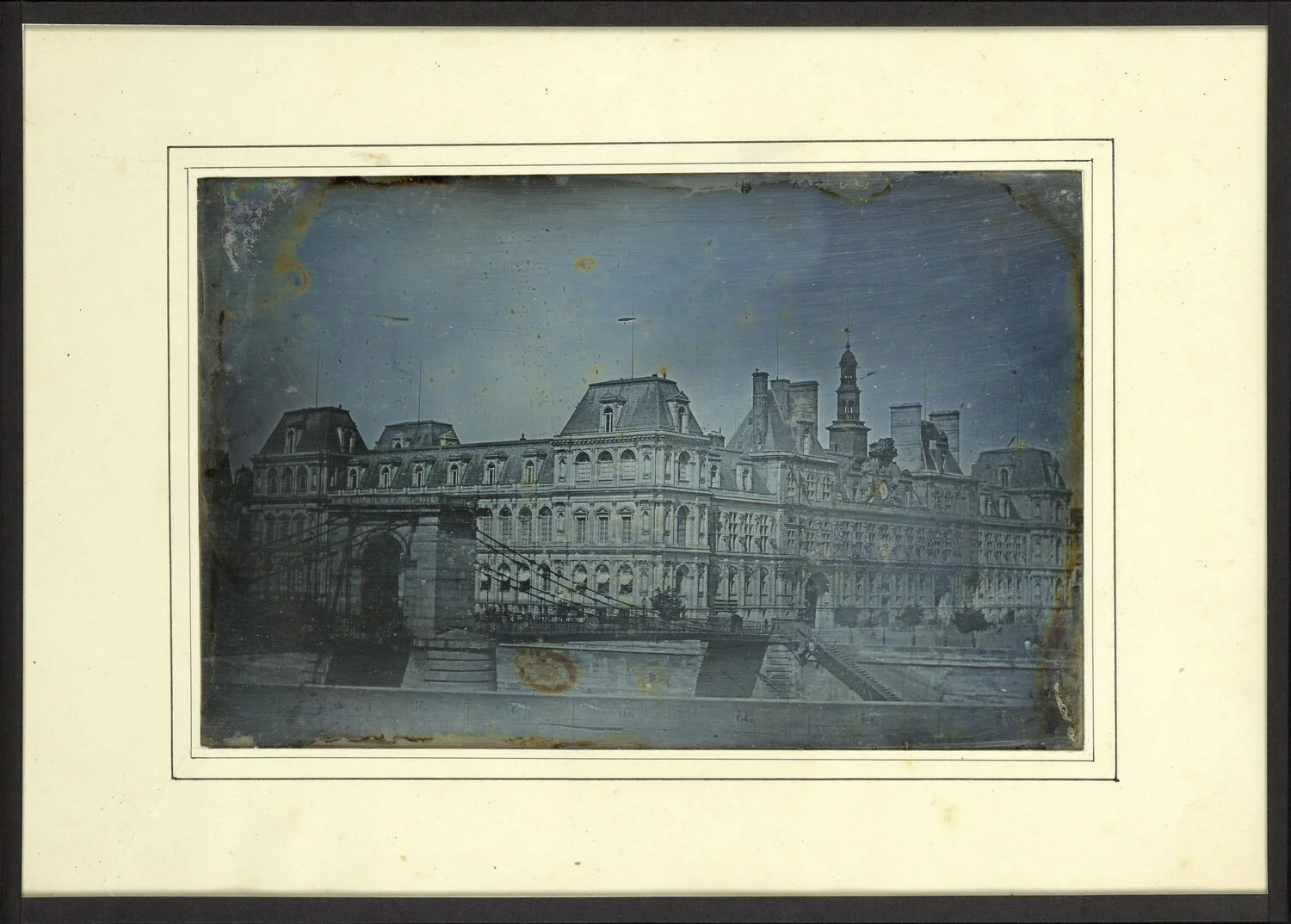
c. 1860 · Photographic negative (Poitevin process)
L'Hôtel de Ville de Paris et le Pont d'Arcole
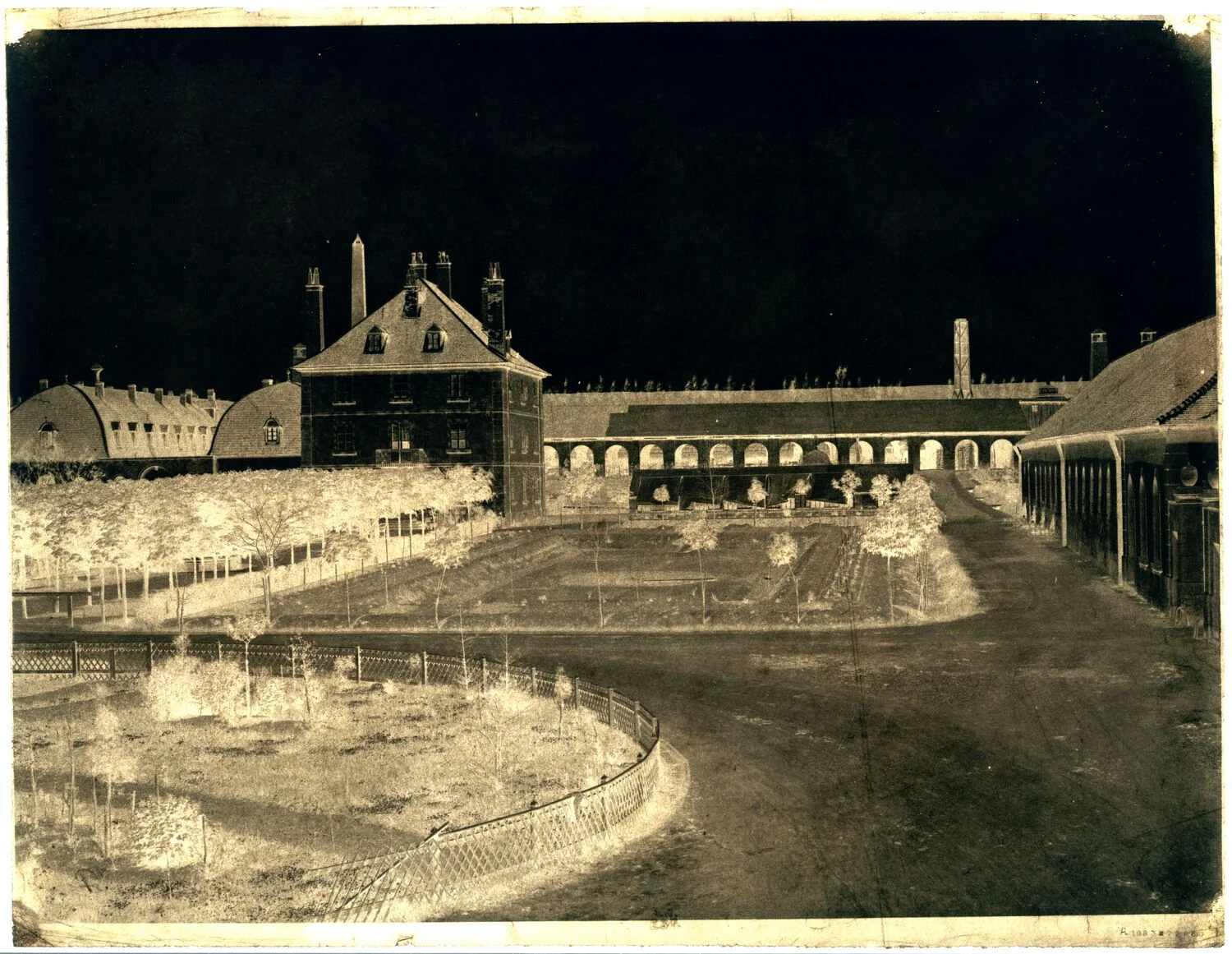
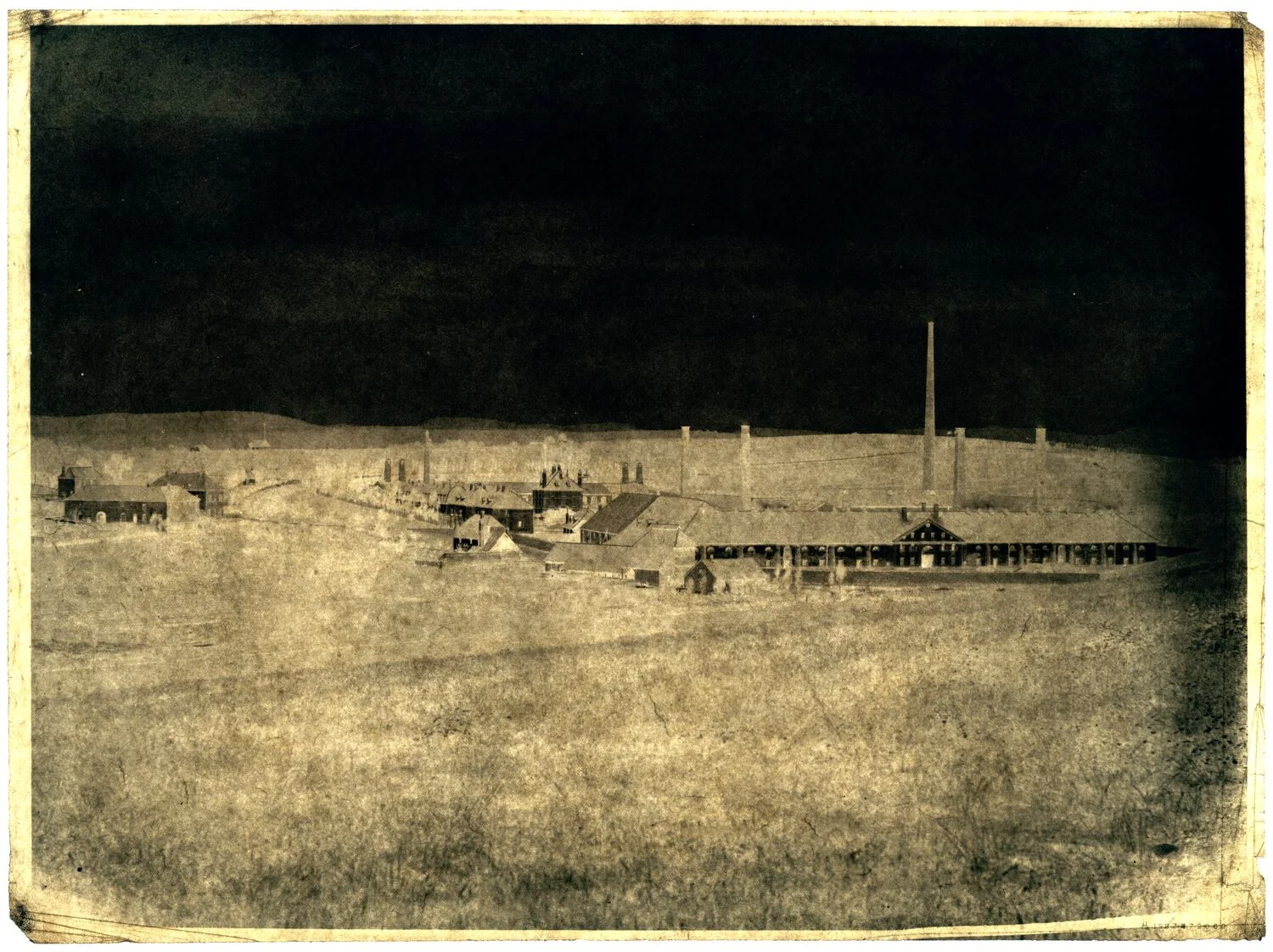
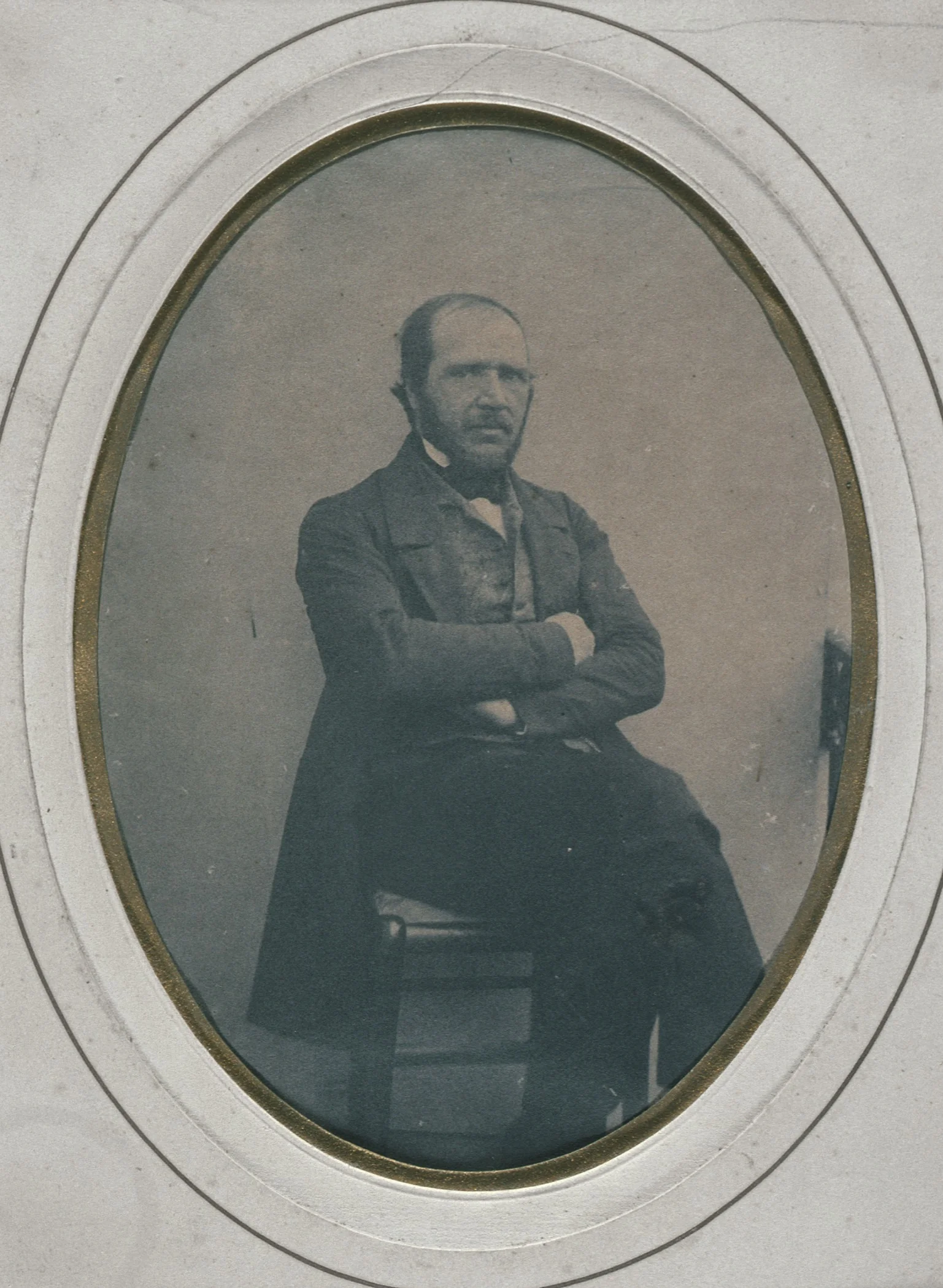
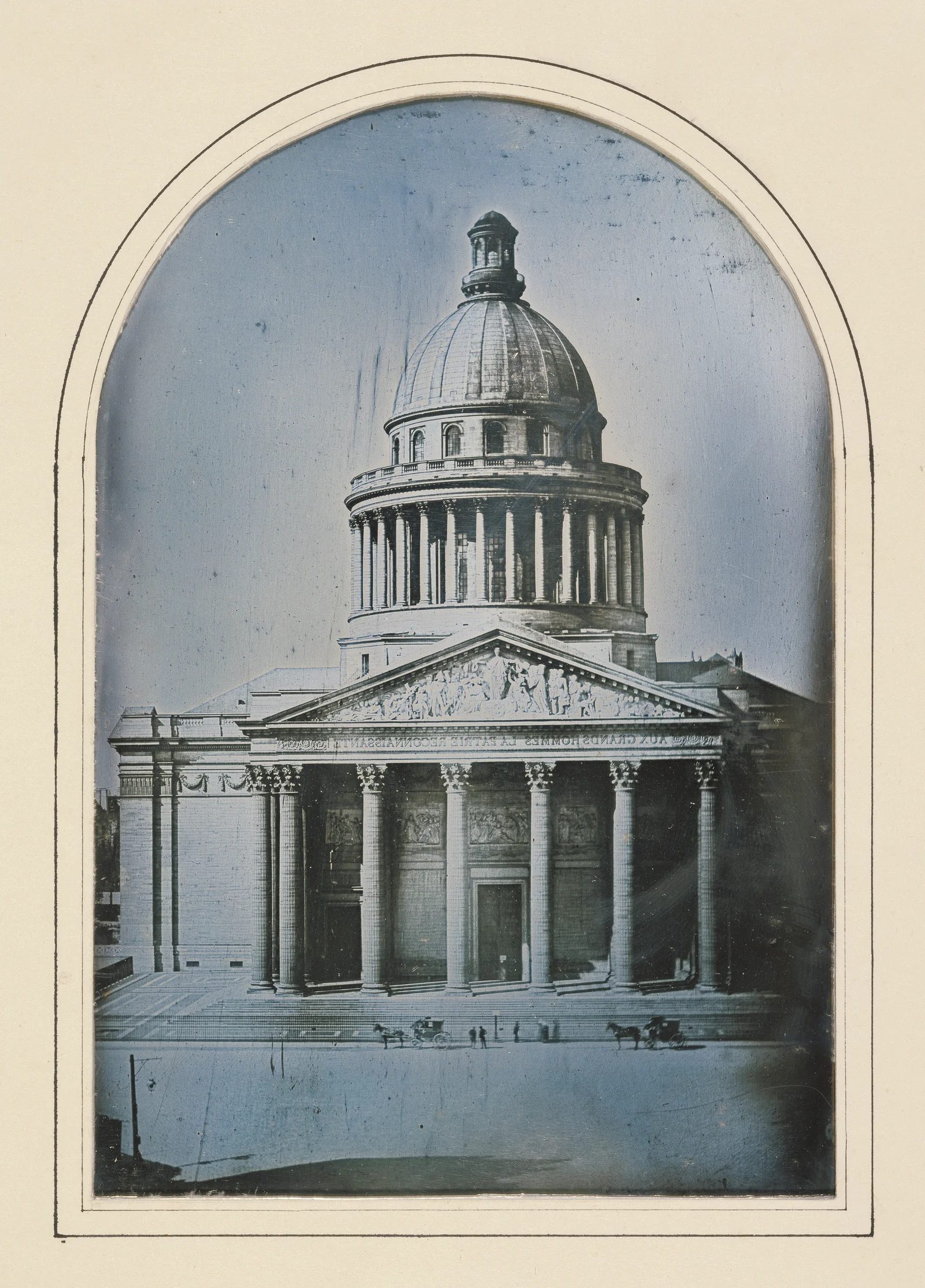
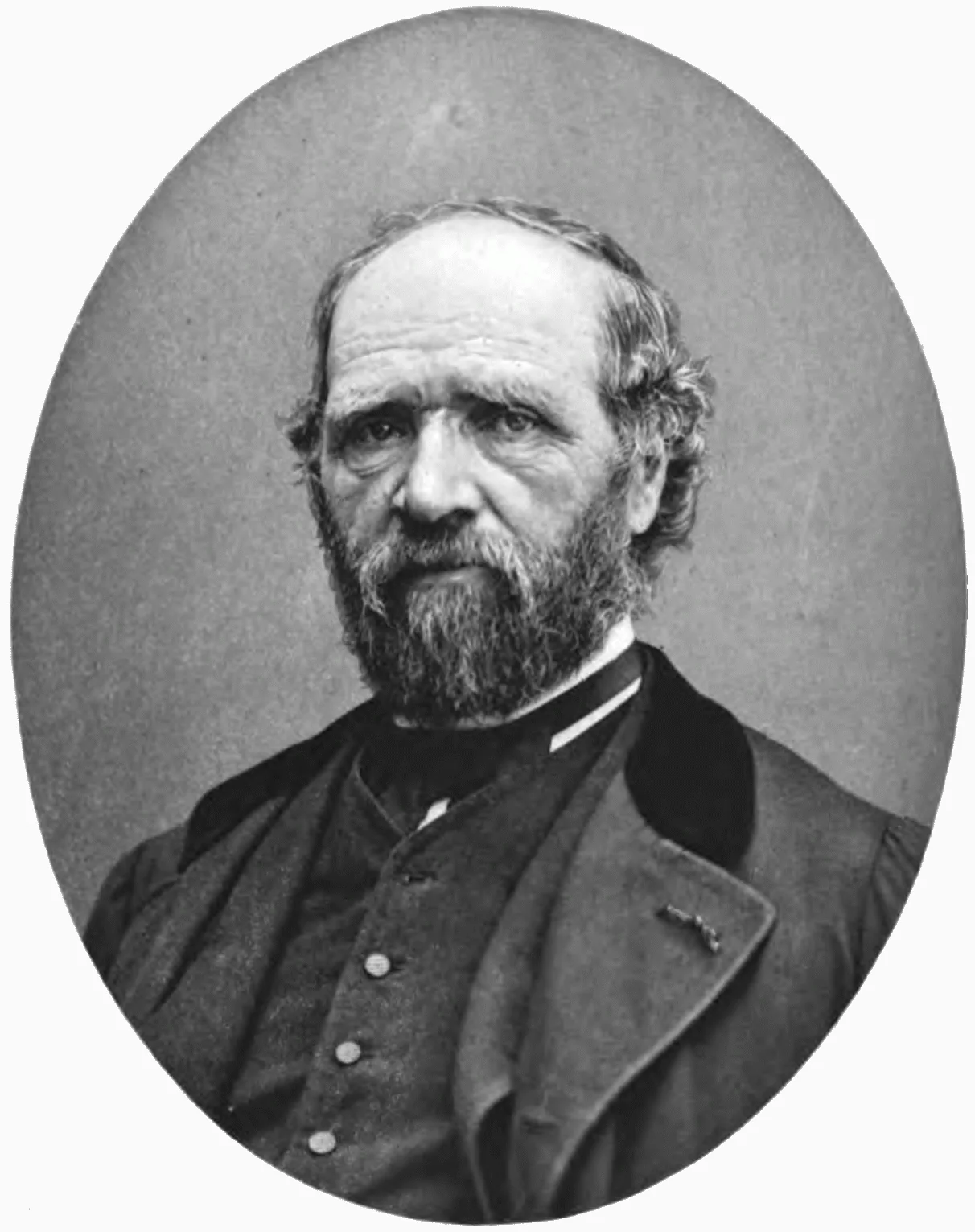
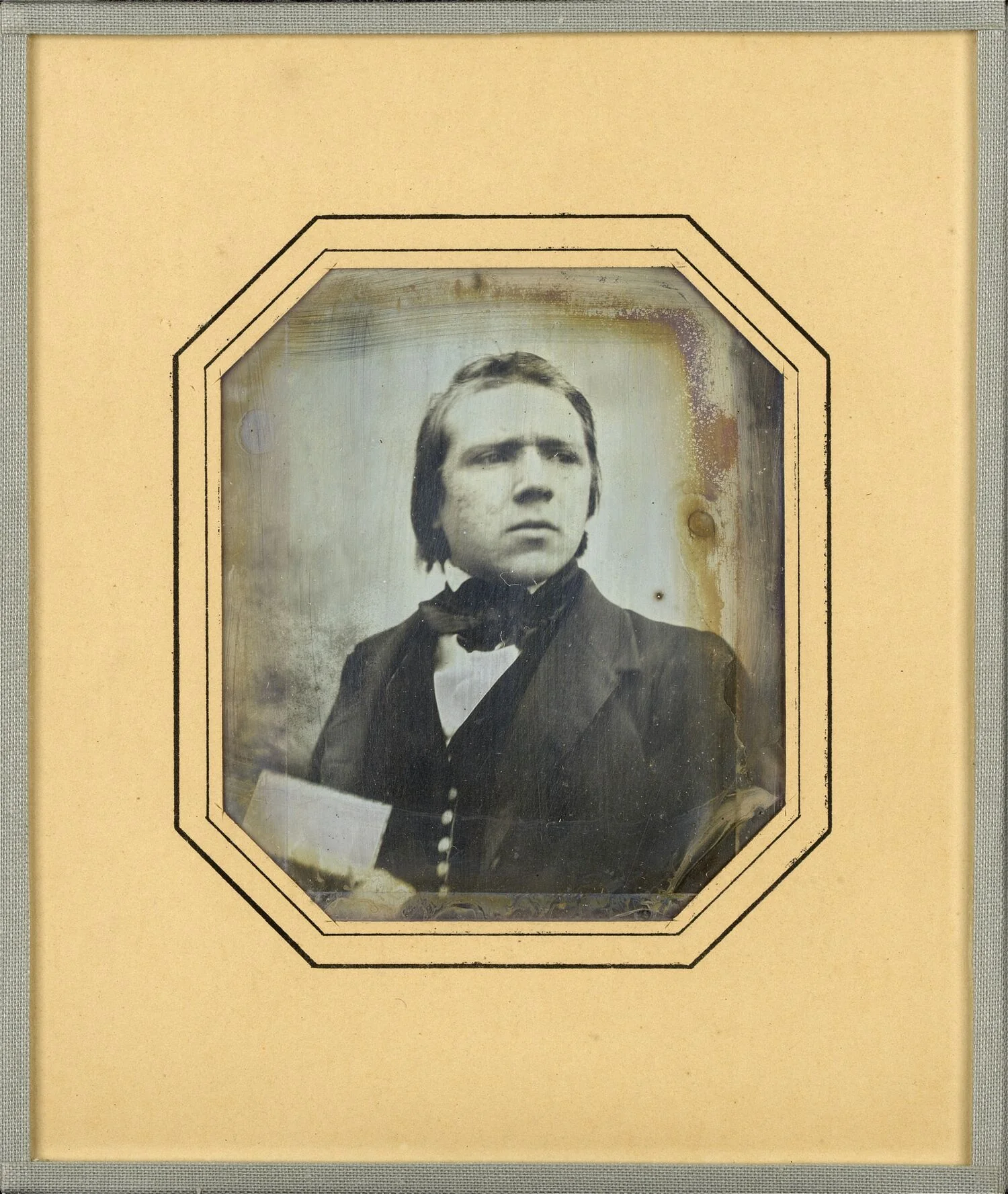
View of the Hôtel de Ville of Paris and the Pont d'Arcole, an architectural study from Poitevin's BnF archive that documents the city centre of Paris at the dawn of the Second Empire urban transformation. Louis-Alphonse Poitevin (1819-1882), engineer of the École Centrale des Arts et Manufactures (class of 1843), is the chemist who in 1855 filed the three foundational patents that opened the pigment era of photography: gum bichromate, the carbon process and photolithography — each derived from his demonstration that potassium dichromate sensitises pigmented colloids such as gum arabic and gelatin combined with carbon black. In 1862 he was awarded the Duc de Luynes Prize by the Société française de photographie for his work on photolithography, and the same year published the Traité de l'impression photographique sans sels d'argent, the reference manual on silver-free pigment processes. This Paris view belongs to the corpus of architectural plates Poitevin built throughout the 1860s as test prints for his procédés, photographing monuments and provincial heritage from the salt works of Gouhenans (Haute-Saône) to the medieval keep of Mondoubleau. The Hôtel de Ville pictured here is the 16th-century Renaissance building burned during the Commune of 1871 — making the plate, today held by the Bibliothèque nationale de France (Gallica), a pre-fire document of major urban-history value. At Maison Picturale, an architectural study of this register can be reinterpreted as a contemporary gum bichromate print using the non-toxic Aquaprint reformulation developed by Vision Picturale — a direct homage to the inventor of the very process, now practised without dichromate salts.
Original held at : Bibliothèque nationale de France
Reference file source : Gallica BnF (Public Domain)