Image being indexed
Adolphe Braun · 1867
Panorama de Paris
- Year
- 1867
- Original process
- Carbon print panorama
- Held at
- Musée Unterlinden, Colmar
Key facts
- Edition
- Signed and numbered limited edition
- Authenticity
- Official certificate of authenticity
- Chemistry
- Non-toxic process (Vision Picturale recipes)
- Year
- 1867
- Original held at
- Musée Unterlinden, Colmar
- Public domain
- Since 1948 (CPI L.123-1)
- Printer
- Maison Picturale — Paris 20e studio
- Lead time
- Hand-made · 3 to 5 weeks
Maison Picturale reinterpretation in carbon transfer
About this work
Multi-plate carbon panorama of Paris produced for the 1867 Universal Exhibition, one of the most ambitious carbon-print projects of the nineteenth century. Held by the Musée Unterlinden in Colmar, the central institutional repository for the Braun studio archive.
Reference file : Musée Unterlinden / Wikimedia Commons
Procédé Transposition
Print like Adolphe Braun today — without the toxics.
Each Maison Picturale print is a material reinterpretation of the image. Three readings of the same work — the original, its closest transposition, and a creative transposition into another procédé.
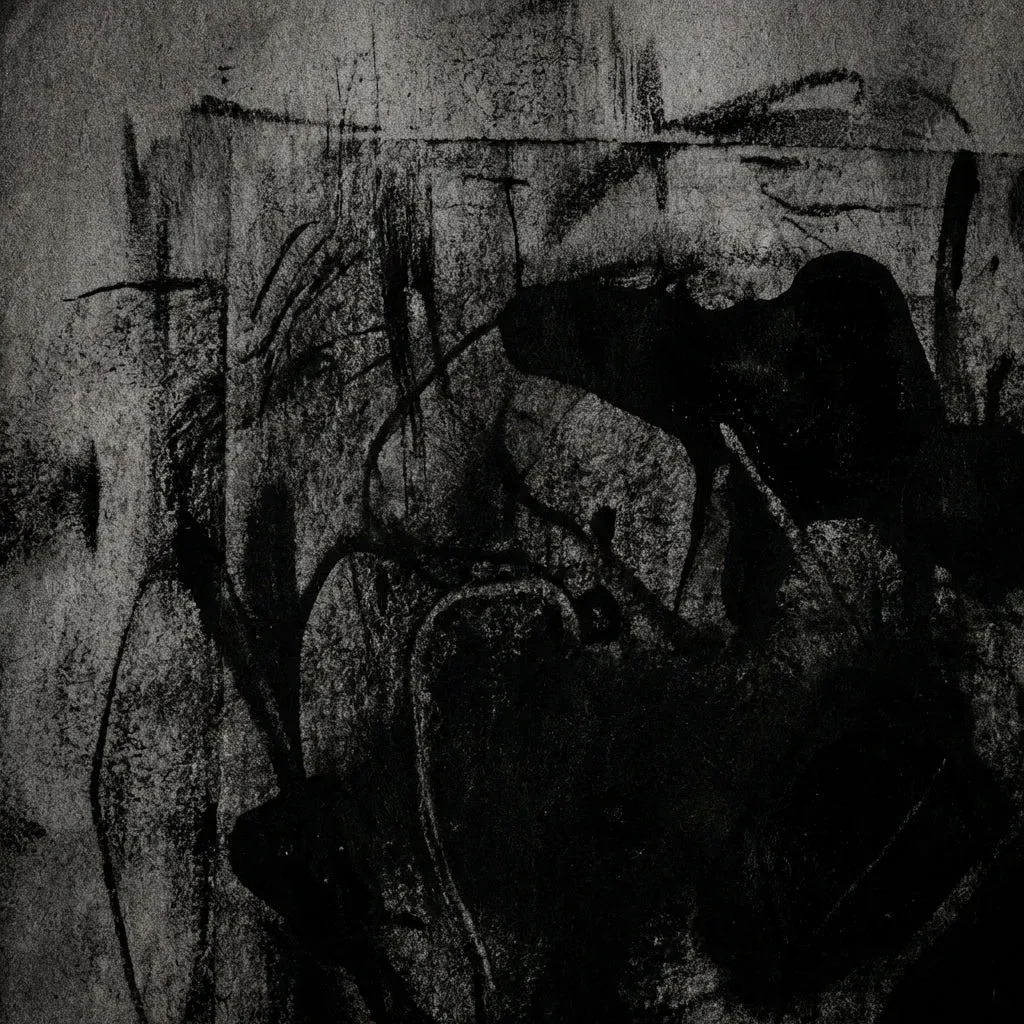
Multi-tone carbon transfer — the most permanent material in all of photography. Contemporary reinvention of the 1855 Poitevin procédé.
MP procédé — reformulated non-toxic chemistry, signed by Tristan Sidem and Raphaël Lebas de Lacour.
View the procédéOr print it yourself
The chemistry of this process, reformulated non-toxic, is available as a kit from Vision Picturale — the house’s studio brand. Your image, your hands, the same chemistry as our printers.
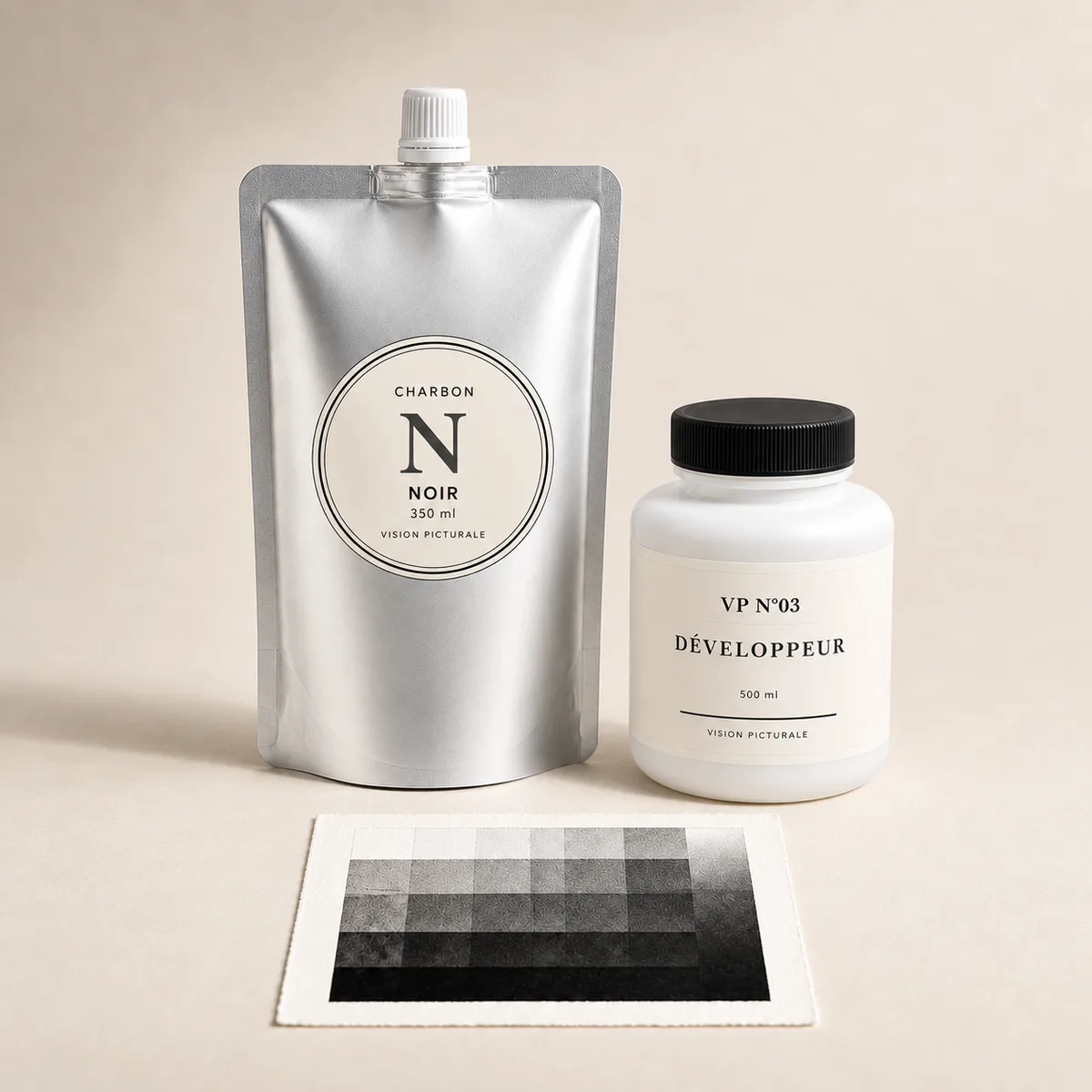
Coffret Charbon Mono — Noir Musée
History of the process
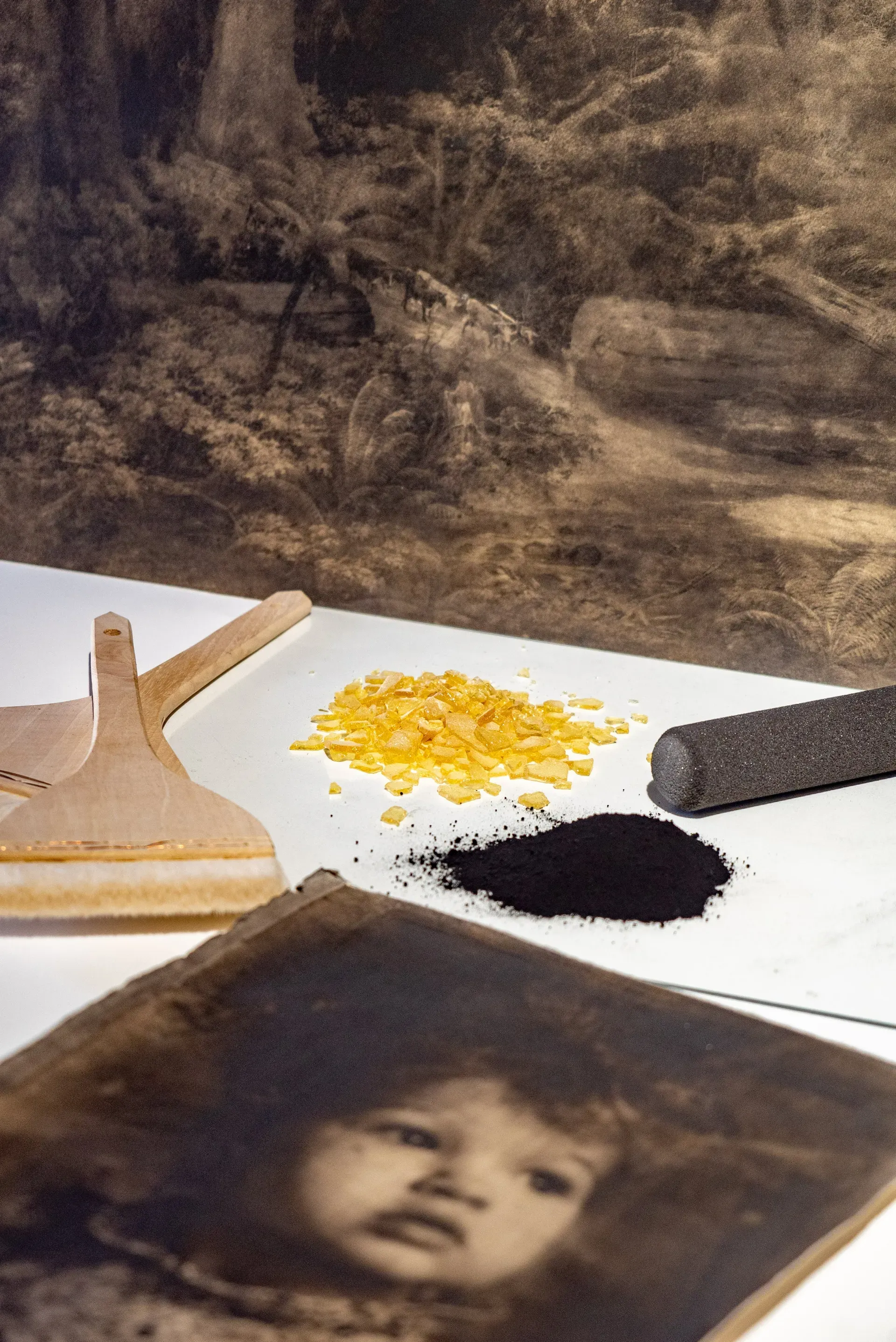
The carbon process was invented in 1864 by Joseph Wilson Swan, the British chemist and inventor also known for his work on the incandescent lamp. He presented it to the Royal Photographic Society in London that same year, patented as the Carbon Process. The principle: a pigmented gelatin hardened by UV exposure through a negative, then transferred onto a final paper.
Carbon very quickly became the reference process for serious photographic publishers. The Lumière brothers' heliographic works in Lyon, the Autotype Company in London and the Braun firm in Dornach made it their industrial process for reproducing artworks for museums. Late nineteenth-century carbon prints held at the Musée d'Orsay, at George Eastman House in Rochester and at the Metropolitan Museum of Art still show their maximum density intact today.
Our approach
A Maison Picturale carbon print is a unique piece made by hand by the master printers of the studio at 1 passage Dagorno, Tristan Sidem and Raphaël Lebas de Lacour. Each carbon print takes several days of work: preparing the pigmented gelatin, UV exposure, transfer onto the final paper, controlled drying. It is a strictly museum-grade process, intended for serious collectors and institutions.
Our 640 gsm 100% cotton satin watercolour paper suits carbon particularly well: its weight supports the transfer of pigmented gelatin without distortion, and its satin surface fully reveals the slight low relief that signs the process in raking light. This conservation paper, free of optical brighteners, guarantees the work's permanence across centuries.
Inside our studio
1 Passage Dagorno, Paris 20e. Each print is hand-crafted by Tristan Sidem and Raphaël Lebas de Lacour, using Vision Picturale's reformulated non-toxic chemistry. Limited edition, signed and numbered.
Commission this print
- Hand-printed and signed by Tristan Sidem & Raphaël Lebas de Lacour
- Reformulated non-toxic chemistry (Vision Picturale recipes)
- Limited edition, numbered, certificate of authenticity
- 1 Passage Dagorno studio, Paris 20e
- Delivery 3 to 5 weeks · ships worldwide from France
Formats and prices
- ProcédéCarbon transfer
- PriceOn request
The reference file we hold for this work is too low-resolution for us to commit to a large-format print. We are looking for a better source: write to us and we will answer on this specific point before any order.
Contemporary print after a work in the public domain (CPI L.123-1, 70 years post-mortem). Hand-crafted reinterpretation by Maison Picturale's master printers — this is not an original vintage by the master. The mention 'after [Master]' is systematic on the print and on the certificate of authenticity.