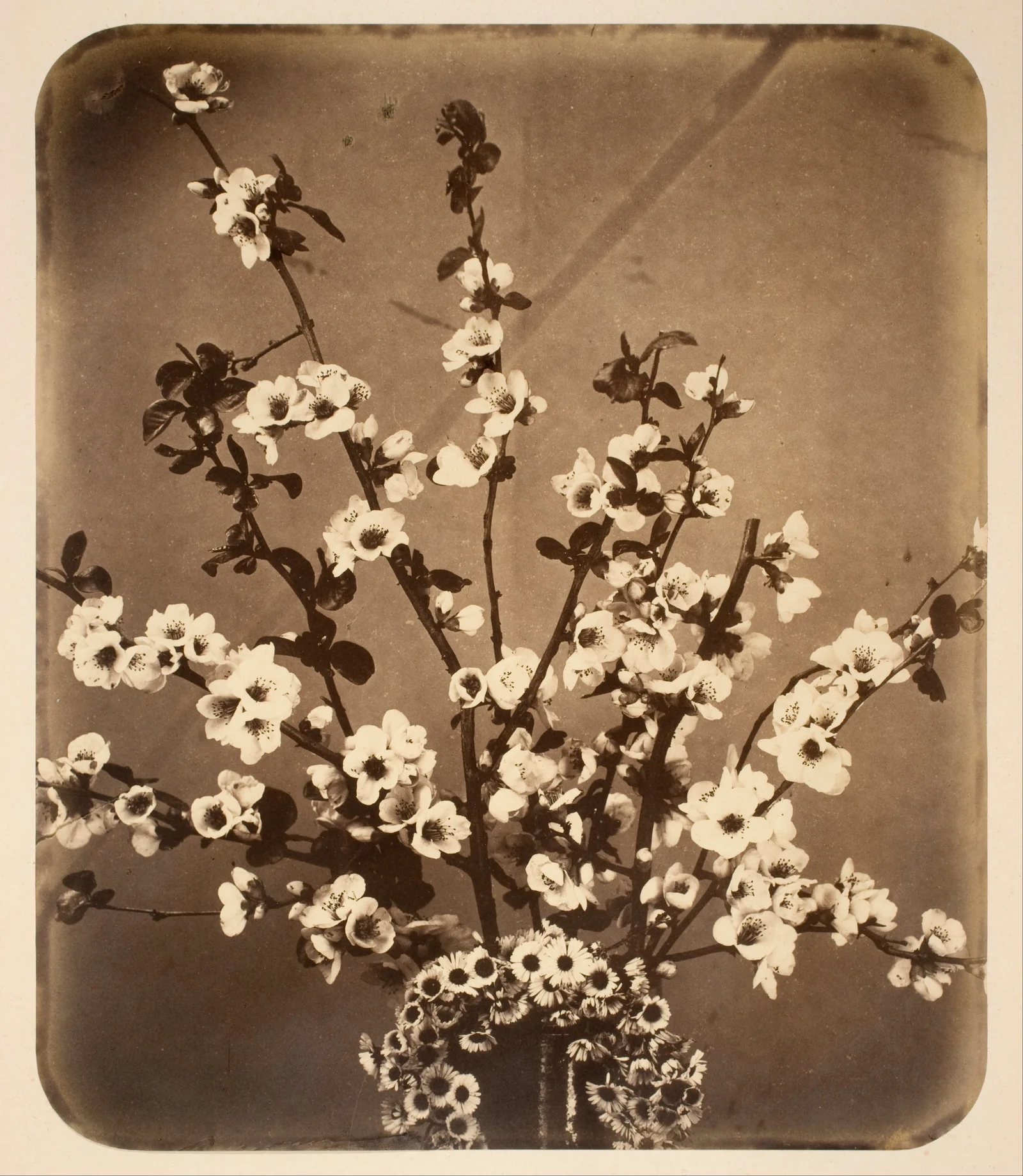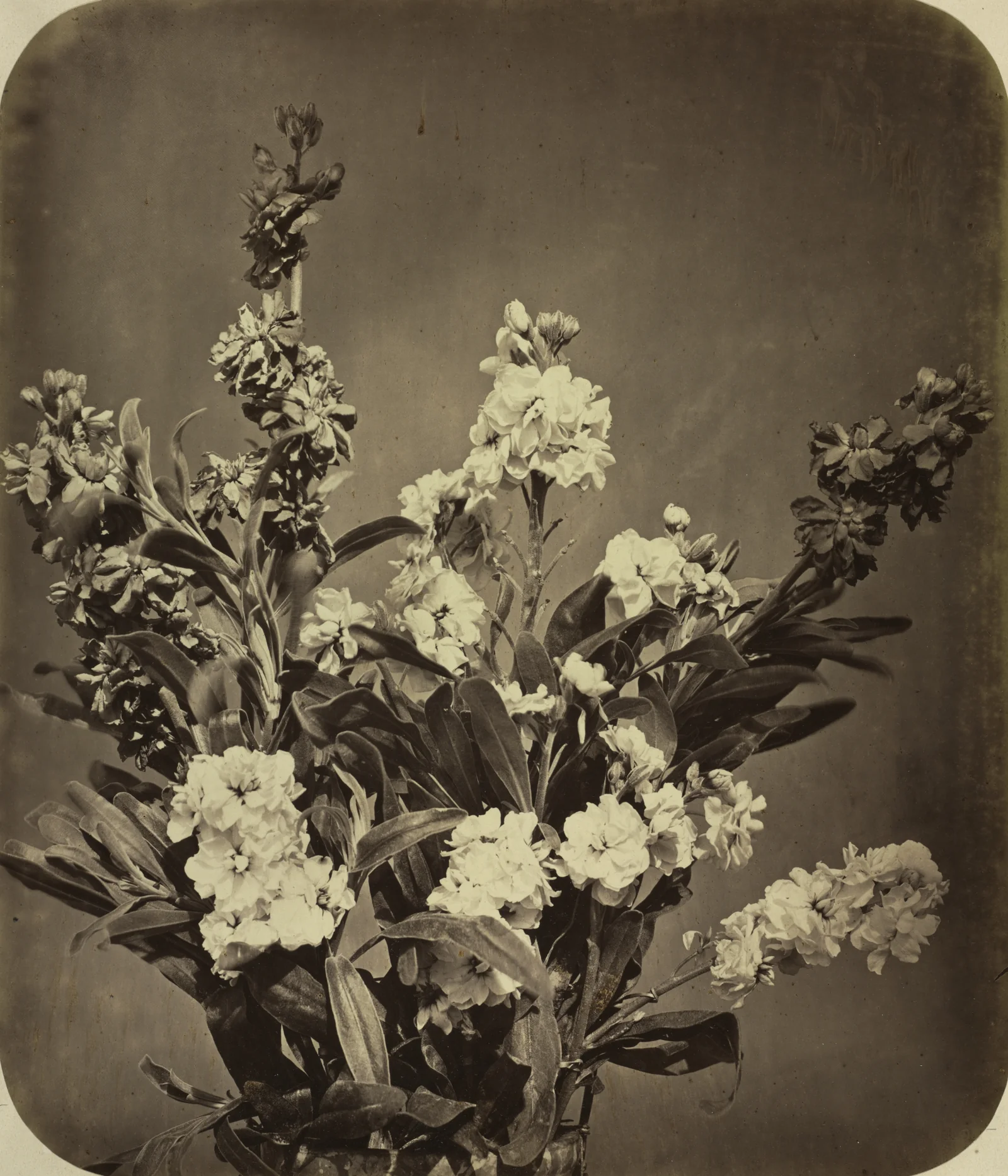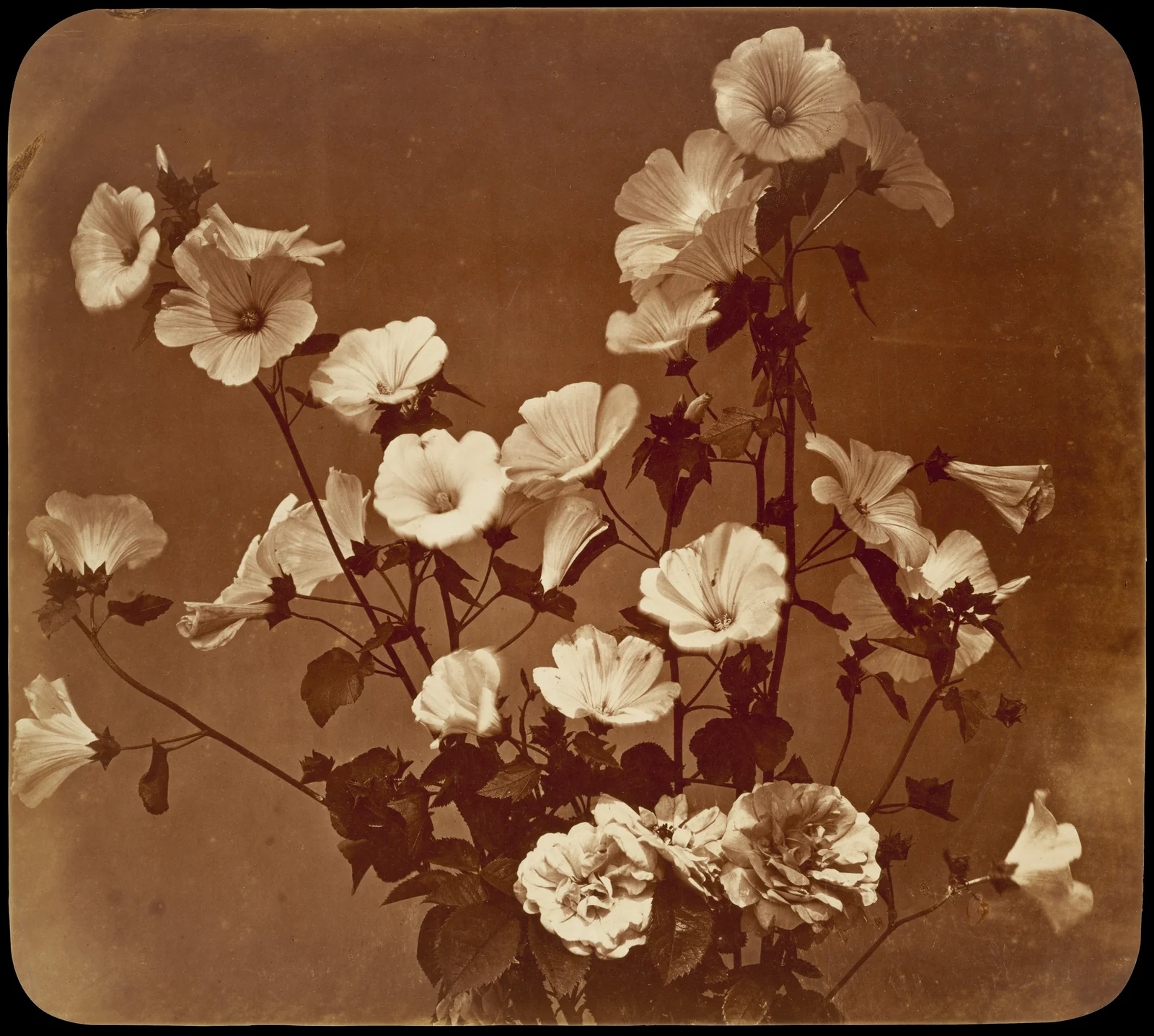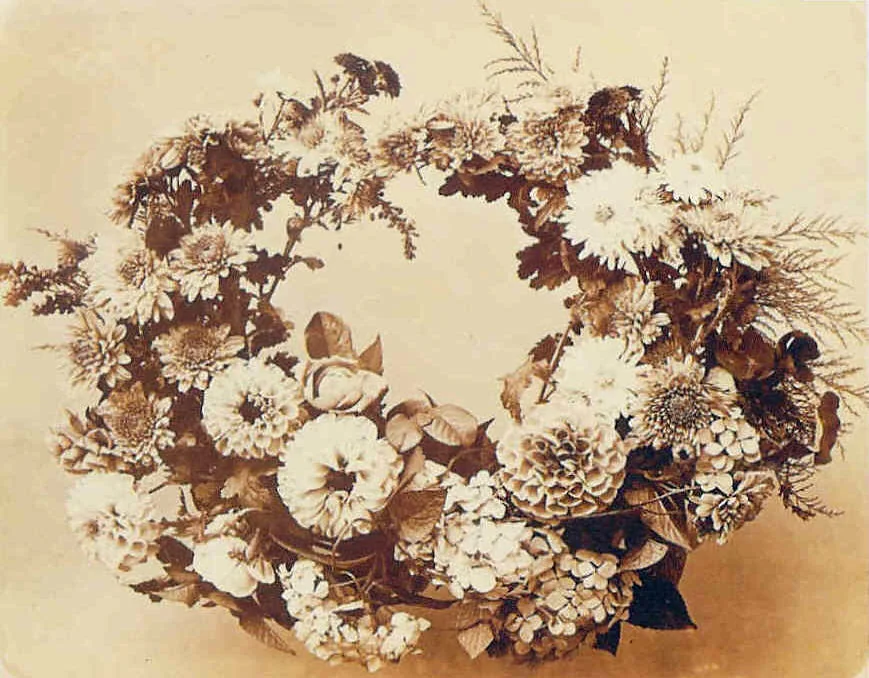
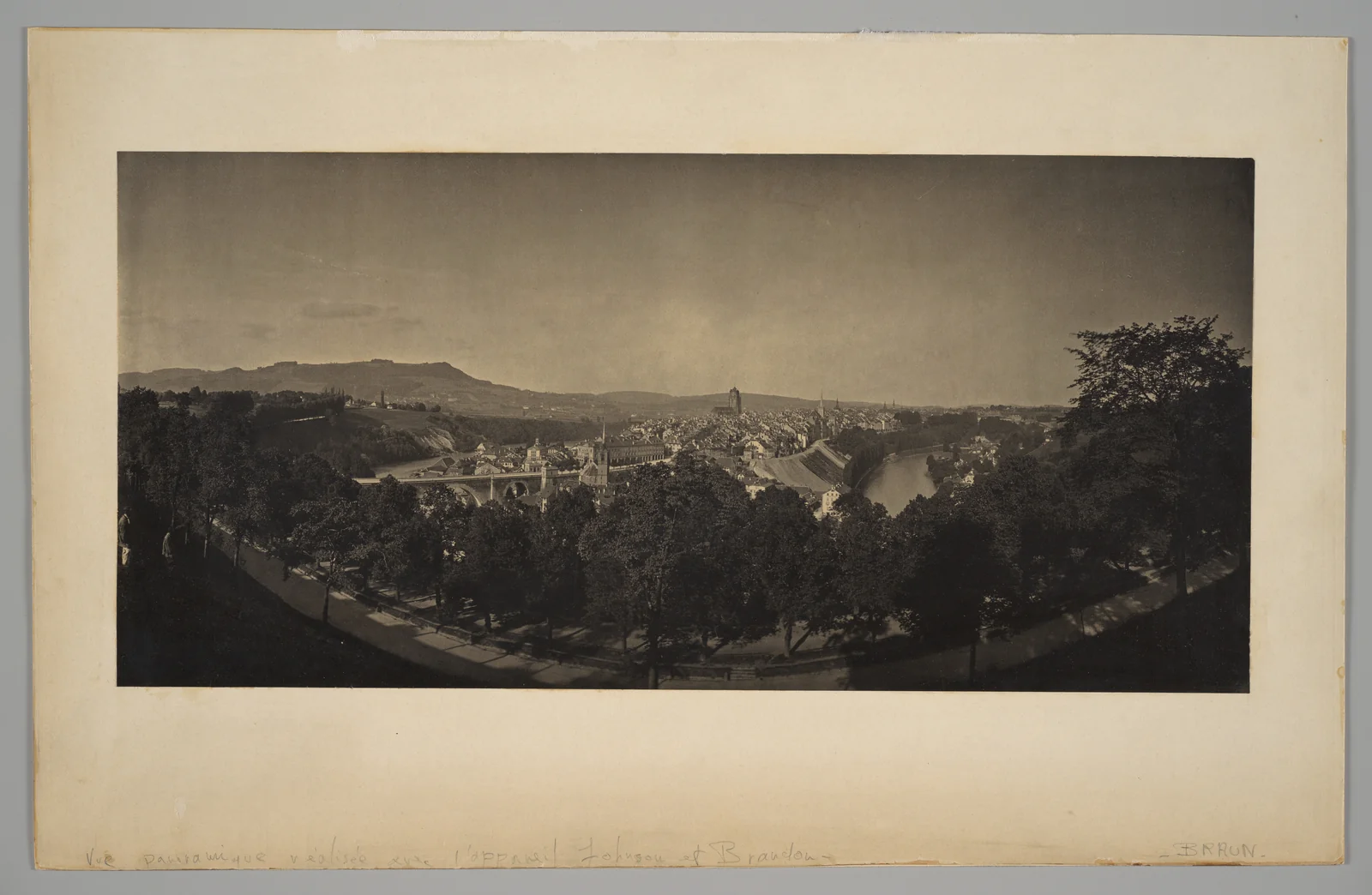
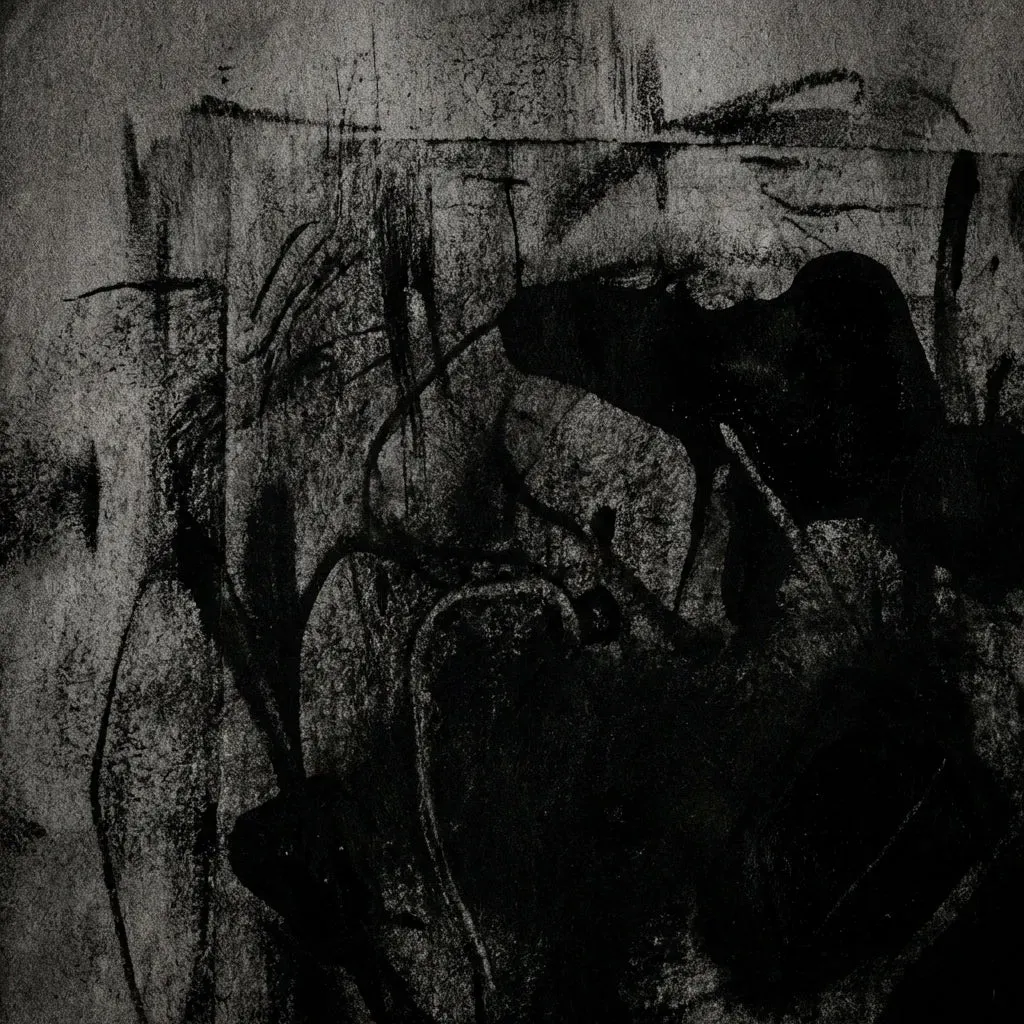
Image: the public-domain reference file. Your print is a hand-made interpretation of it, produced at the studio in Sanguine Aquaprint — its matter and tonality are its own.
Adolphe Braun · c. 1870
Berne
- Year
- c. 1870
- Original process
- Carbon transfer print
- Held at
- Metropolitan Museum of Art
Key facts
- Edition
- Signed and numbered limited edition
- Authenticity
- Official certificate of authenticity
- Chemistry
- Non-toxic process (Vision Picturale recipes)
- Year
- c. 1870
- Original held at
- Metropolitan Museum of Art
- Public domain
- Since 1948 (CPI L.123-1)
- Printer
- Maison Picturale — Paris 20e studio
- Lead time
- Hand-made · 3 to 5 weeks
Maison Picturale reinterpretation in sanguine
About this work
Carbon print view of the Swiss capital Bern by Jean Adolphe Braun (1812-1877), the Alsatian photographer-industrialist who founded the Braun studio at Dornach in the 1850s and elevated it to a full industrial photographic enterprise by 1860. The image belongs to the commercially successful « Helvetia » series documenting Swiss cities, mountains and regional costumes for the booming bourgeois tourism market and the international luxury album trade, sold both as single sheets and bound in deluxe folios. By the date of this print, Braun had secured a licence to the Swan carbon transfer process (1864) and become the first European industrialiser of the procedure, employing up to 200 staff at Dornach to produce permanent carbon reproductions for the Louvre, the Vatican and the British Museum. The carbon plate renders the medieval Bernese urban fabric — arcaded streets, sandstone façades, the river Aare loop — with a long tonal range and an archival permanence that albumen could not match, securing Braun's reputation as the leading topographic photographer of the era. Holdings of the « Helvetia » corpus are dispersed between the Metropolitan Museum of Art (which preserves this view), the Musée Unterlinden in Colmar (principal Braun studio archive), the Museum of Fine Arts in Houston and the Cleveland Museum of Art. Procédé Transposition Maison Picturale: this view is reinterpreted as a Sanguine print using the non-toxic chemistry reformulated by Vision Picturale, with a single burnt-earth pigment on 640 g/m² cotton paper — a monochrome contemporary reading of the carbon transfer Braun industrialised, aiming at its archival permanence and tonal density without the dichromate hazards of the Swan-Braun workflow.
Reference file : Metropolitan Museum of Art Open Access (CC0)
Procédé Transposition
Print like Adolphe Braun today — without the toxics.
Each Maison Picturale print is a material reinterpretation of the image. Three readings of the same work — the original, its closest transposition, and a creative transposition into another procédé.
Burnt-earth mono-pigment on gelatin paper. A tribute to Renaissance sanguine studies.
MP procédé — reformulated non-toxic chemistry, signed by Tristan Sidem and Raphaël Lebas de Lacour.
View the procédéOr print it yourself
The chemistry of this process, reformulated non-toxic, is available as a kit from Vision Picturale — the house’s studio brand. Your image, your hands, the same chemistry as our printers.
Read the recipe on Vision Picturale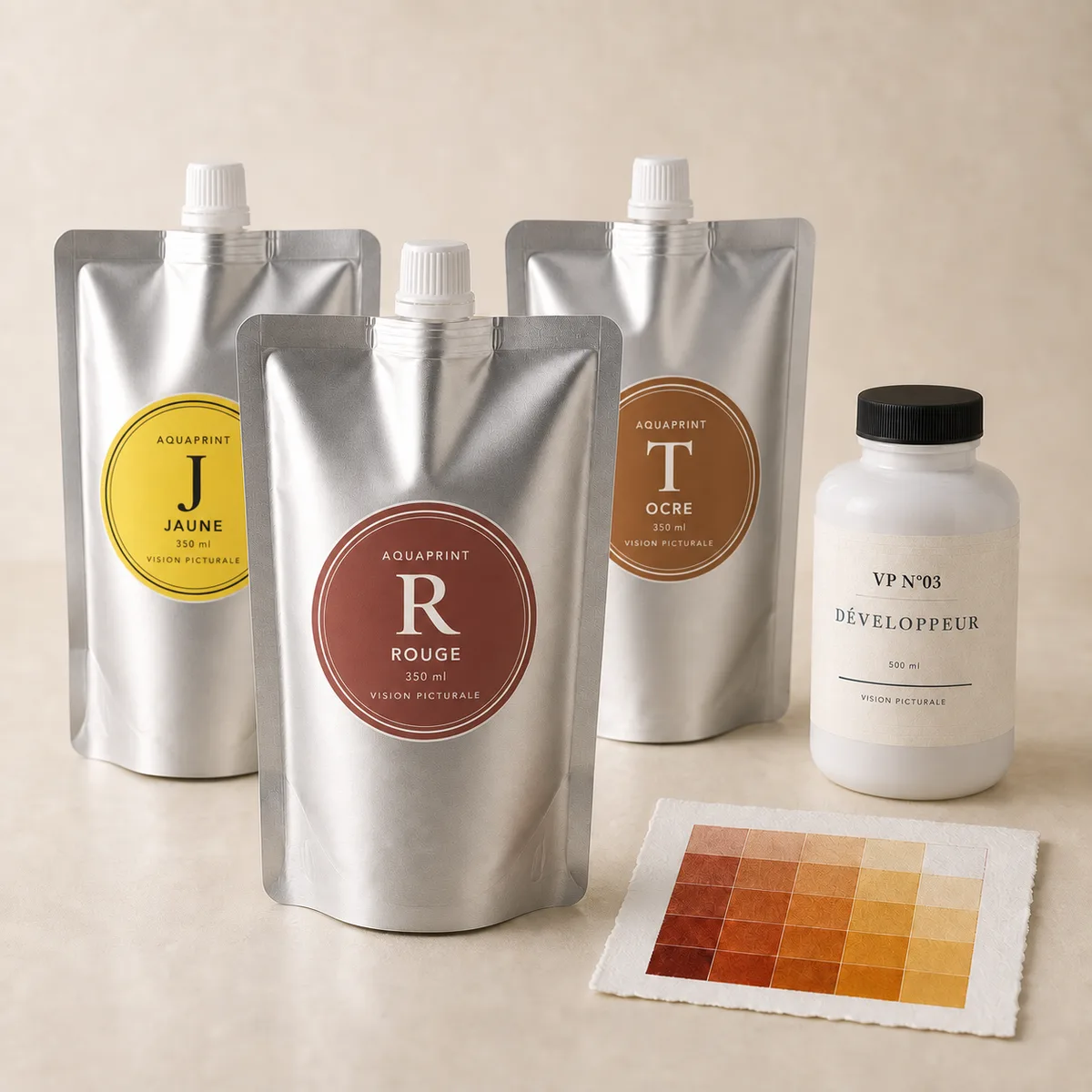
Coffret Aquaprint Sanguine
History of the process
Maison Picturale's photographic sanguine is a single-pigment variant of the classic gum print, developed within the graphic tradition of the French Beaux-Arts. It uses a single pure sienna earth pigment laid onto sensitised gum arabic, in direct reference to the red-chalk preparatory drawings that Leonardo da Vinci, Michelangelo and Raphael made on tinted paper during the Italian Renaissance.
Sanguine drawings hold a central place in the history of Western draughtsmanship. The Louvre holds Leonardo's preparatory studies for The Last Supper and the Mona Lisa; the department of drawings and prints at the Metropolitan Museum holds Michelangelo's red chalks for the Sistine Chapel; and the Albertina in Vienna holds the most complete Raphael group in the world. This graphic tradition founds the visual identity of the photographic process.
Our approach
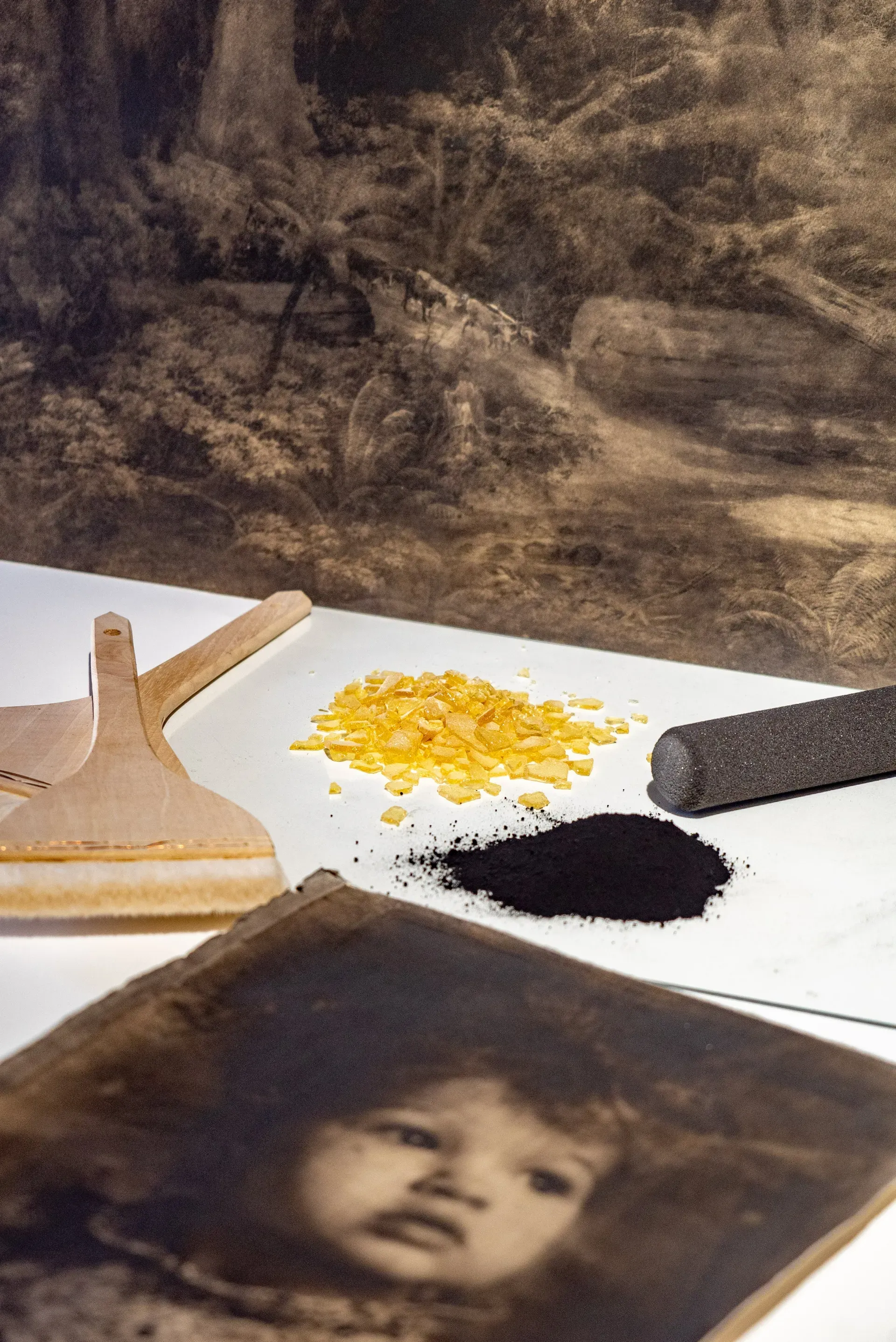
Every sanguine print made at the studio at 1 passage Dagorno is a unique piece standing on the border between drawing and photography. The brush marks left when the pigmented gum arabic is laid down are deliberately left visible, in the graphic tradition of Renaissance drawing that this process explicitly claims. It is this studio gesture that sets each print apart.
Our 640 gsm 100% cotton satin watercolour paper suits sanguine particularly well: its weight supports the multiple gum layers without distortion, and its satin surface fully reveals the brush matter and the characteristic warm sienna tonality. The final rendering recalls the old masters' sanguines on tinted paper.
Inside our studio
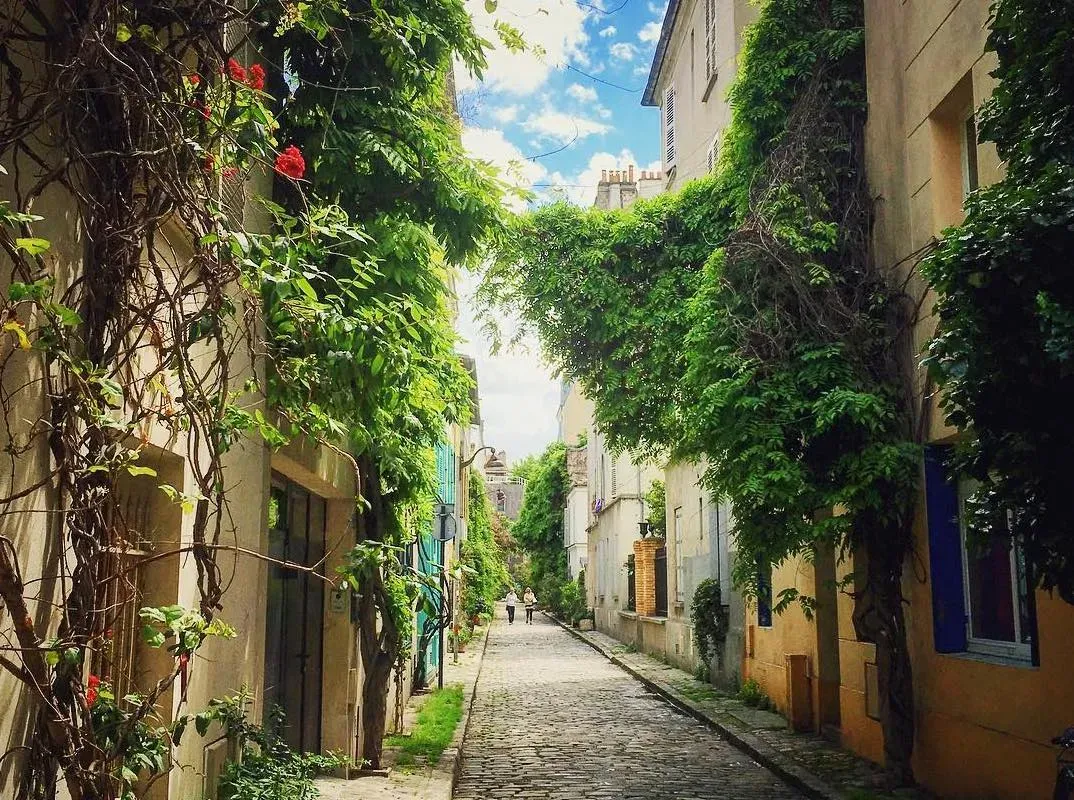
1 Passage Dagorno, Paris 20e. Each print is hand-crafted by Tristan Sidem and Raphaël Lebas de Lacour, using Vision Picturale's reformulated non-toxic chemistry. Limited edition, signed and numbered.
Commission this print
- Hand-printed and signed by Tristan Sidem & Raphaël Lebas de Lacour
- Reformulated non-toxic chemistry (Vision Picturale recipes)
- Limited edition, numbered, certificate of authenticity
- 1 Passage Dagorno studio, Paris 20e
- Delivery 3 to 5 weeks · ships worldwide from France
Formats and prices
- ProcédéSanguine Aquaprint
- Coquille44 × 56 cm200 €
- Jésus56 × 76 cm400 €
- Grand Aigle76 × 112 cm600 €
- Univers100 × 140 cm1 200 €
Firm prices: they follow from the procédé and the paper format, as on our Process pages. 100% cotton paper, 640 gsm, deckled edges. Which formats are offered depends on the resolution of the reference file we hold for this work.
Contemporary print after a work in the public domain (CPI L.123-1, 70 years post-mortem). Hand-crafted reinterpretation by Maison Picturale's master printers — this is not an original vintage by the master. The mention 'after [Master]' is systematic on the print and on the certificate of authenticity.