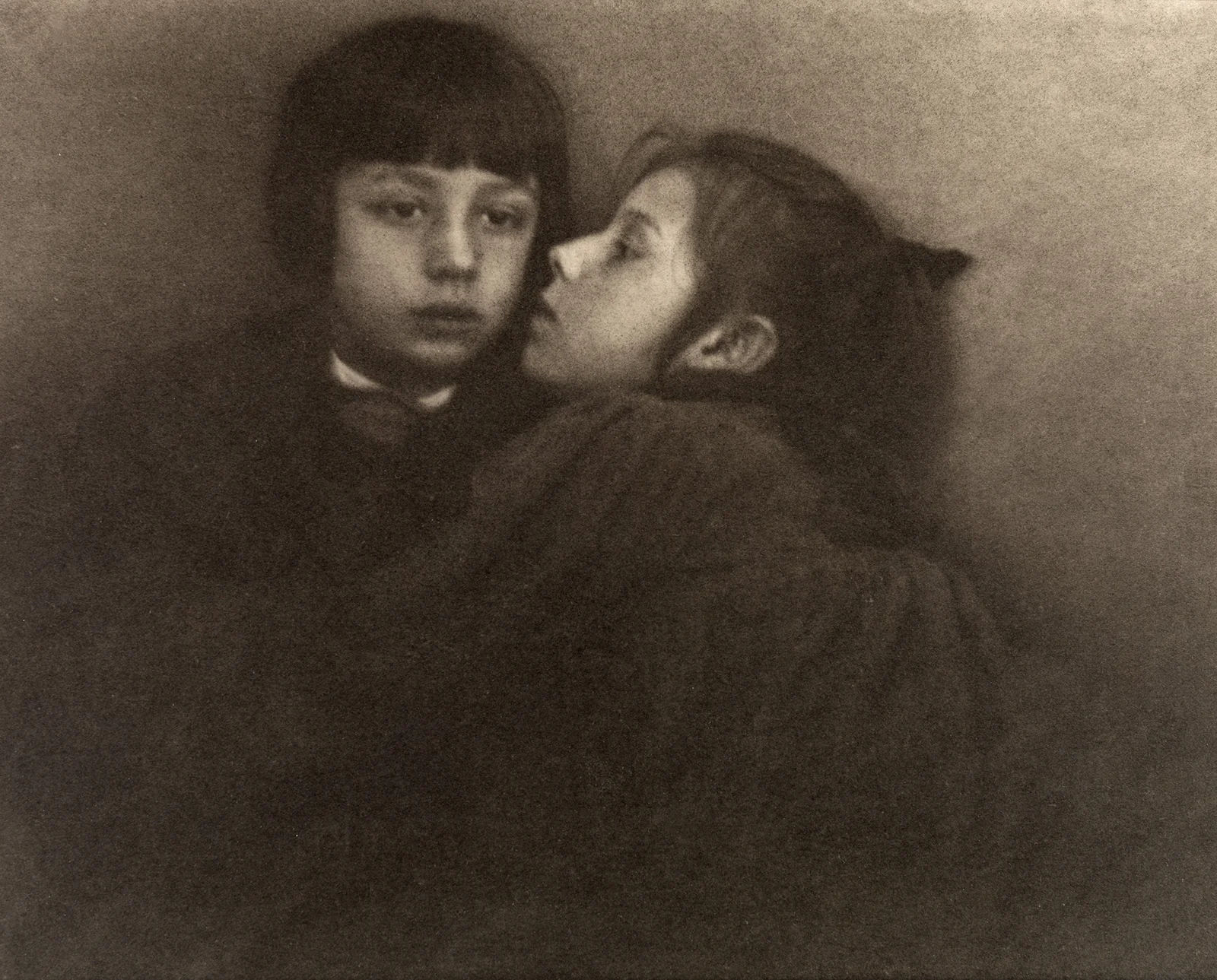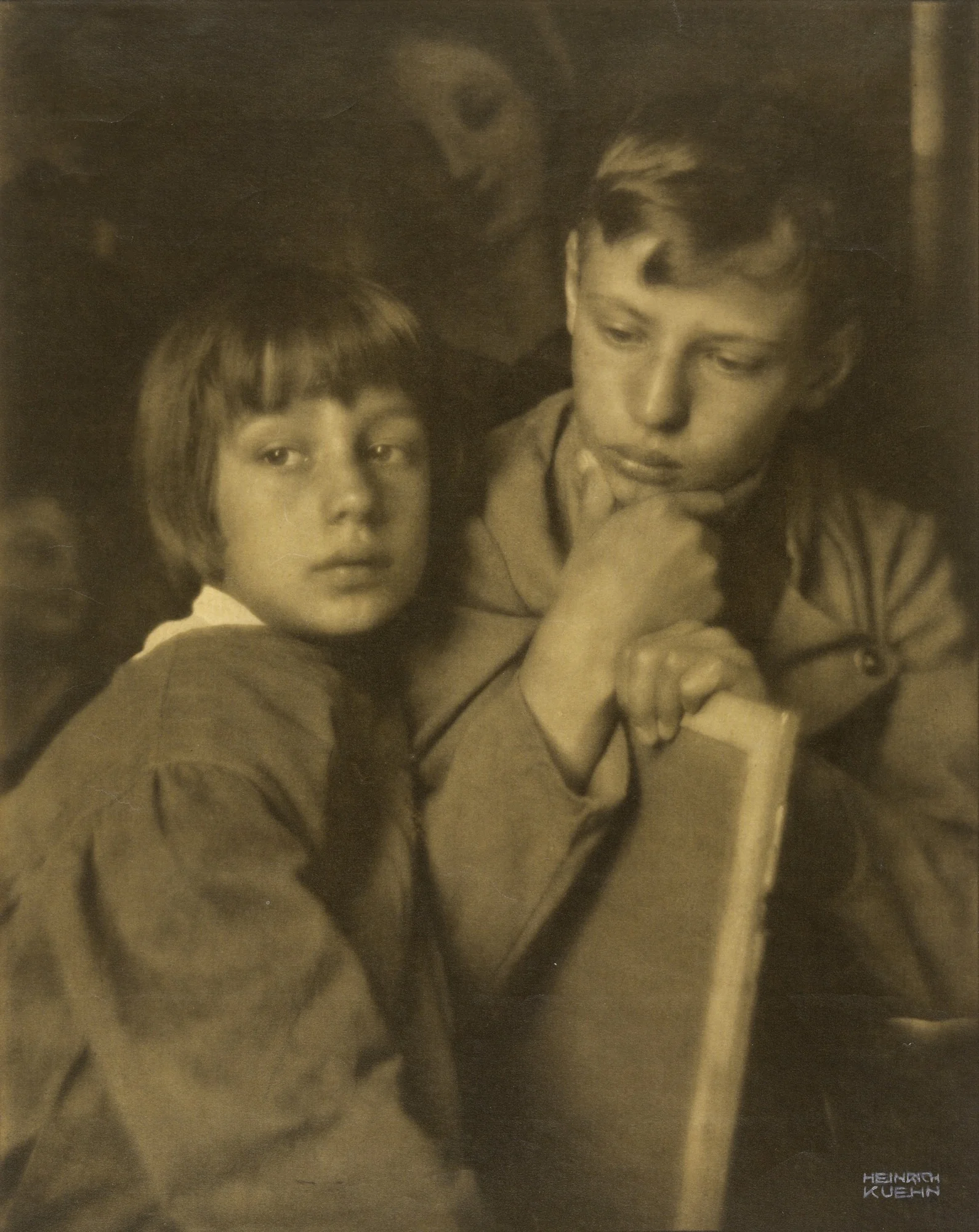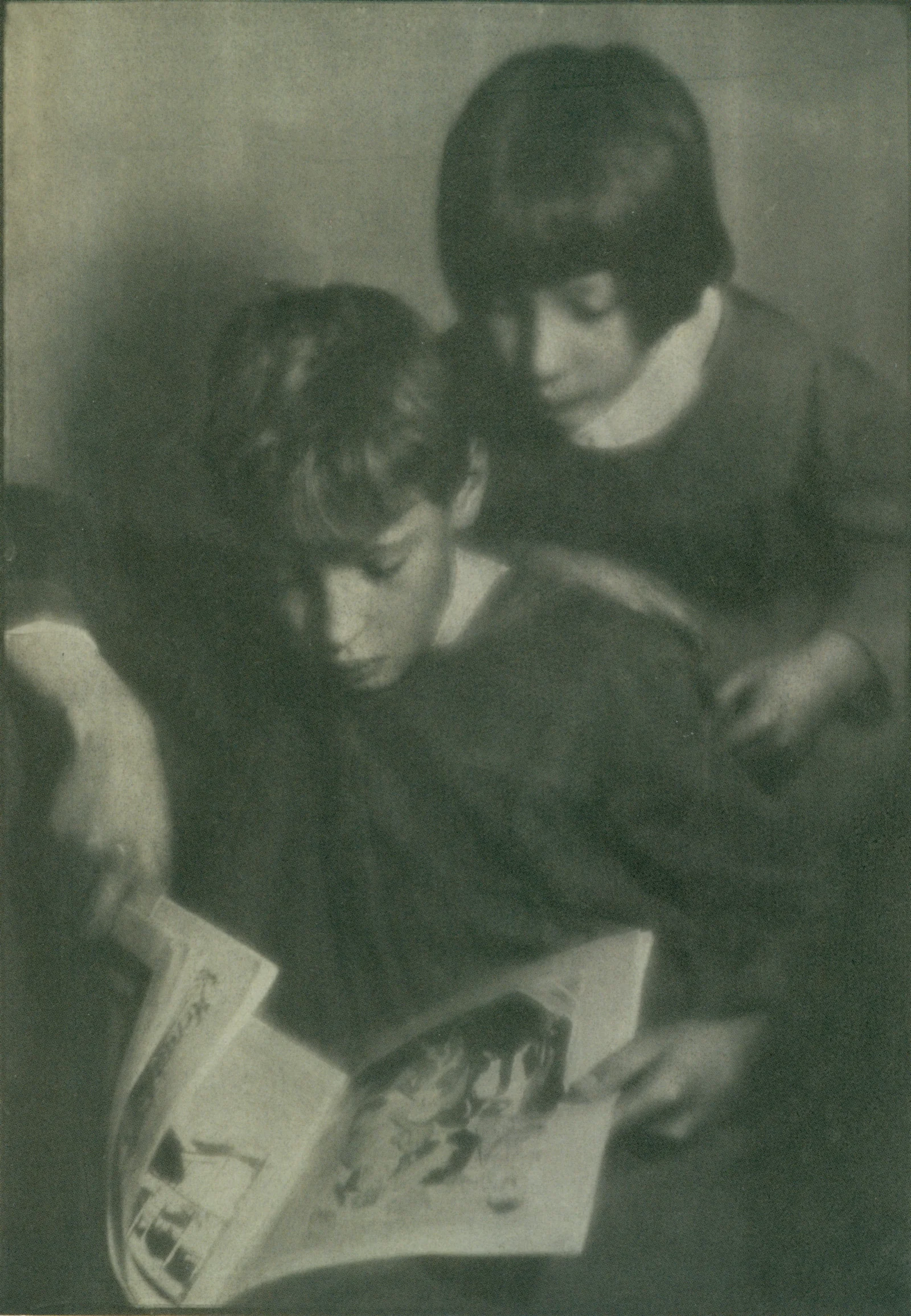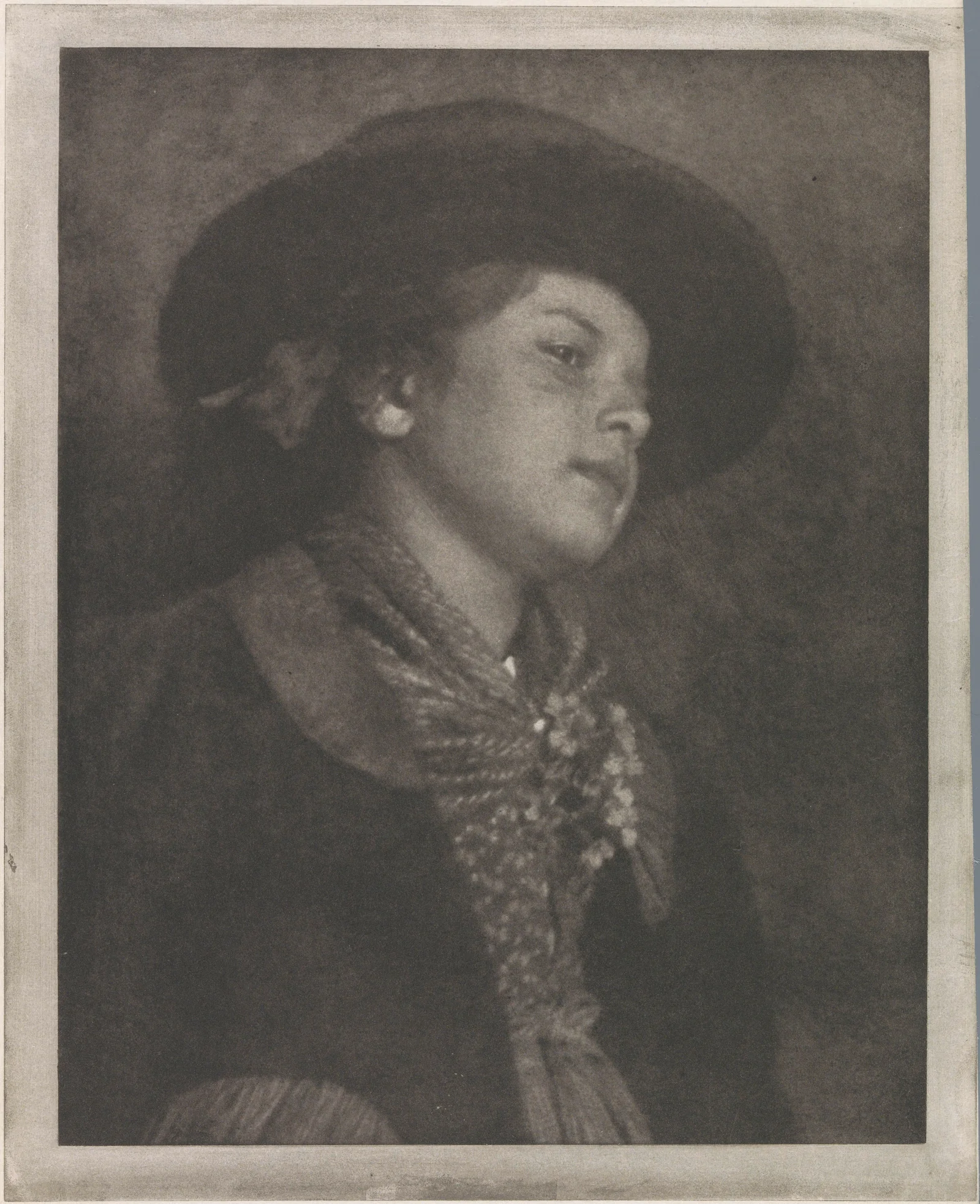
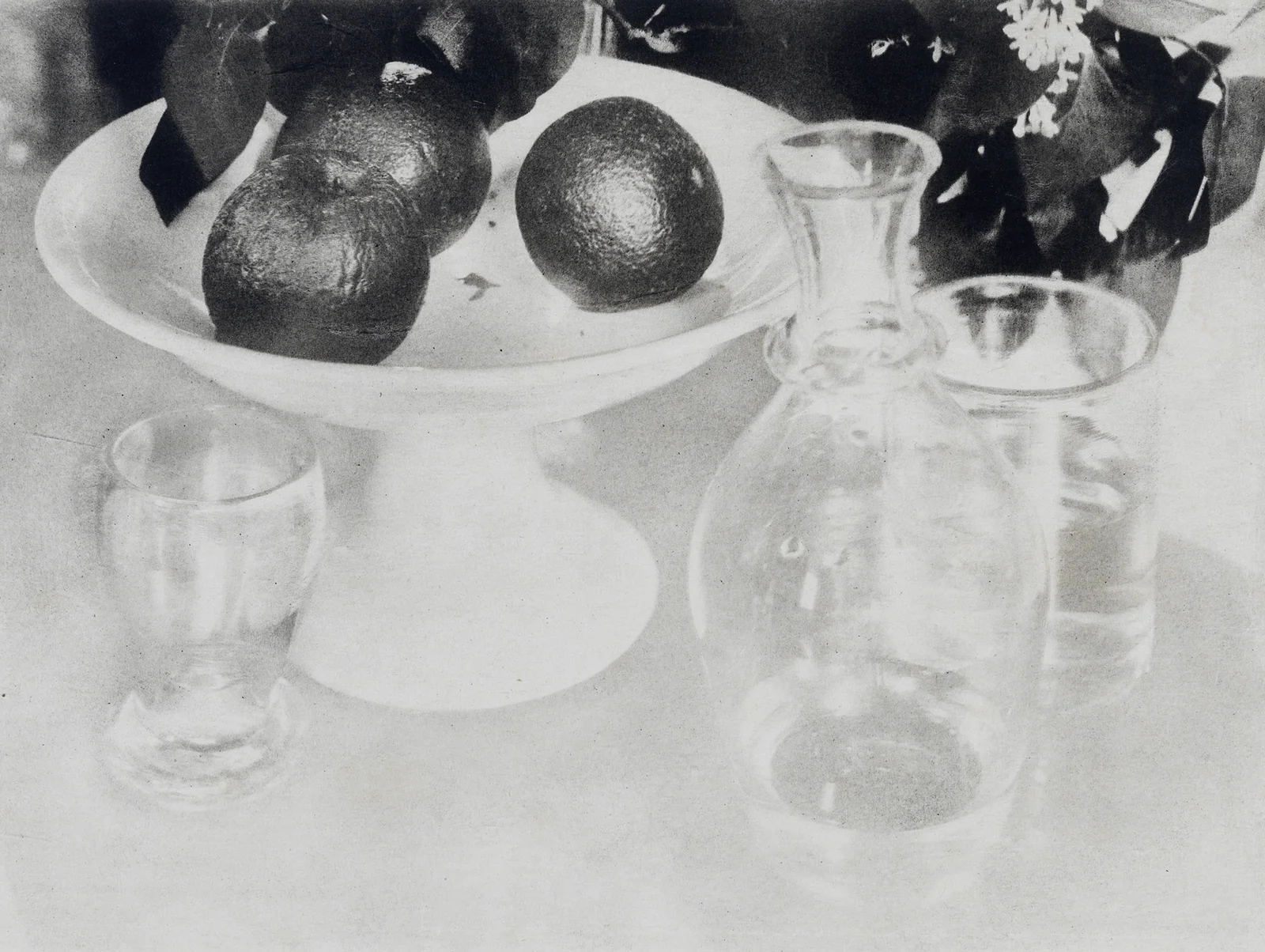
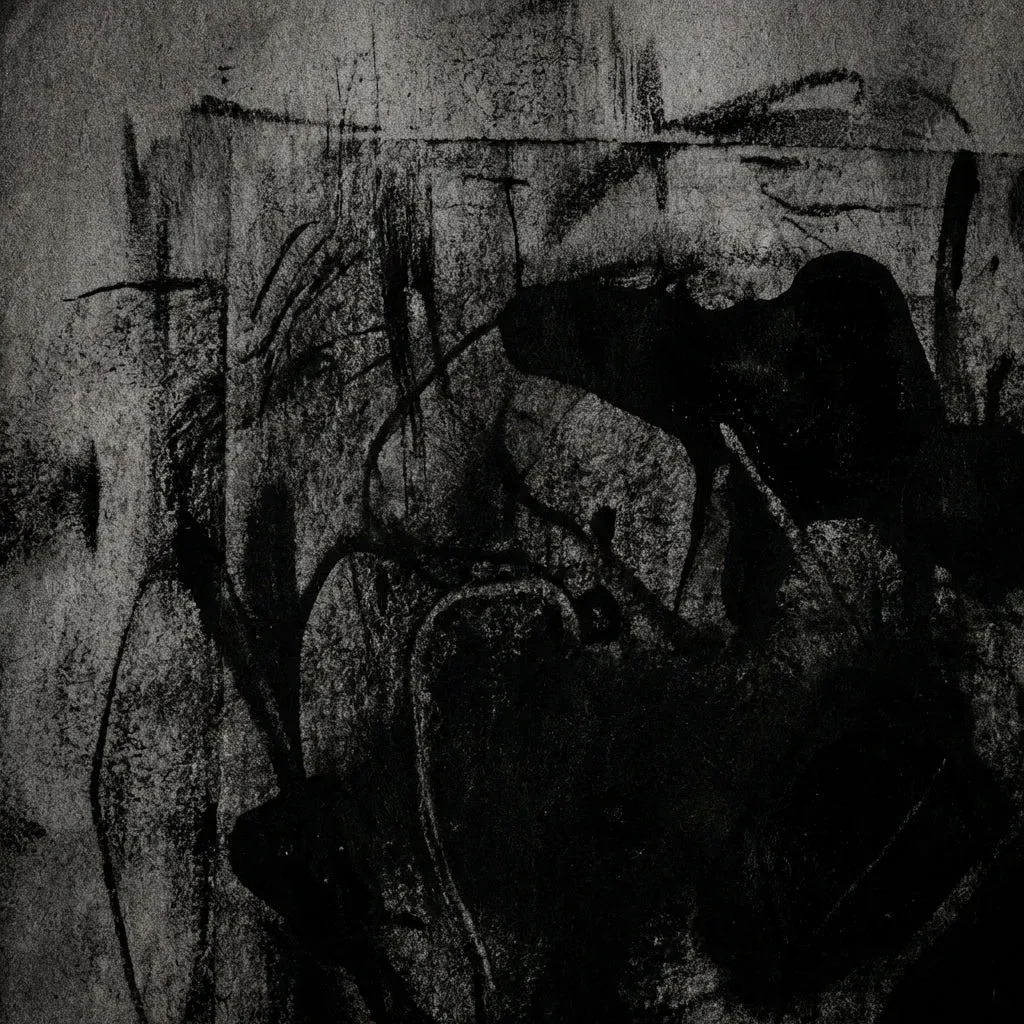
Image: the public-domain reference file. Your print is a hand-made interpretation of it, produced at the studio in Bromoil — its matter and tonality are its own.
Heinrich Kühn · c. 1909
Stillleben mit Obstschale (Still Life with Fruit Bowl)
- Year
- c. 1909
- Original process
- Oil print on paper (Ölumdruck)
- Held at
- Albertina Vienna
Key facts
- Edition
- Signed and numbered limited edition
- Authenticity
- Official certificate of authenticity
- Chemistry
- Non-toxic process (Vision Picturale recipes)
- Year
- c. 1909
- Original held at
- Albertina Vienna
- Public domain
- Since 2015 (CPI L.123-1)
- Printer
- Maison Picturale — Paris 20e studio
- Lead time
- Hand-made · 3 to 5 weeks
Maison Picturale reinterpretation in bromoil
About this work
Stillleben mit Obstschale (Still Life with Fruit Bowl, c. 1909) is a painterly still life measuring 29.3 by 39 cm, held by the Albertina Vienna. The print demonstrates Dr. Heinrich Kühn's command of the Ölumdruck (oil pigment transfer) process, in which a gelatin-and-bichromate matrix is selectively inked with greasy pigment and then transferred to paper, yielding a continuous tonal image close in surface to a lithograph or a charcoal drawing. The fruit bowl, lit with low-key directional light, allowed Kühn to deploy the medium's painterly virtues — broad tonal masses, suppressed highlights, a tactile pigment surface — on a classical studio subject inherited from the Dutch and German still-life tradition. Dr. Heinrich Kühn (1866-1944), Austrian-German pictorialist trained as a physician, settled in Innsbruck in 1888 and led the German-Austrian wing of international Pictorialism as a co-founder of the Wiener Kleeblatt (Vienna Trifolium) with Hans Watzek and Hugo Henneberg. He invented the Platingummidruck (gum-over-platinum) process and was a close correspondent of Alfred Stieglitz, who published him in Camera Work pl. 18 (1905) and pl. 33 (1911), and Edward Steichen. Kühn was among the first European photographers to adopt the Lumière Autochrome in 1907. His prints are held at the Albertina Vienna, MoMA, the Metropolitan Museum of Art, the Städel Museum Frankfurt, and Galerie Maier Innsbruck. Process Transposition Maison Picturale: the painterly pigment surface of Kühn's oil prints is transposed at the Maison Picturale Paris atelier via Aquaprint MP, the non-toxic Vision Picturale gum bichromate reformulation, which approximates the tonal mass of Stillleben without the historical dichromate hazard. Kühn entered the public domain in 2015.
Reference file : Wikimedia Commons (Public Domain)
Procédé Transposition
Print like Heinrich Kühn today — without the toxics.
Each Maison Picturale print is a material reinterpretation of the image. Three readings of the same work — the original, its closest transposition, and a creative transposition into another procédé.
Oil-based ink brushed onto a gelatin matrix. Pictorialism par excellence — a painterly surface assumed.
MP procédé — reformulated non-toxic chemistry, signed by Tristan Sidem and Raphaël Lebas de Lacour.
View the procédéOr print it yourself
The chemistry of this process, reformulated non-toxic, is available as a kit from Vision Picturale — the house’s studio brand. Your image, your hands, the same chemistry as our printers.
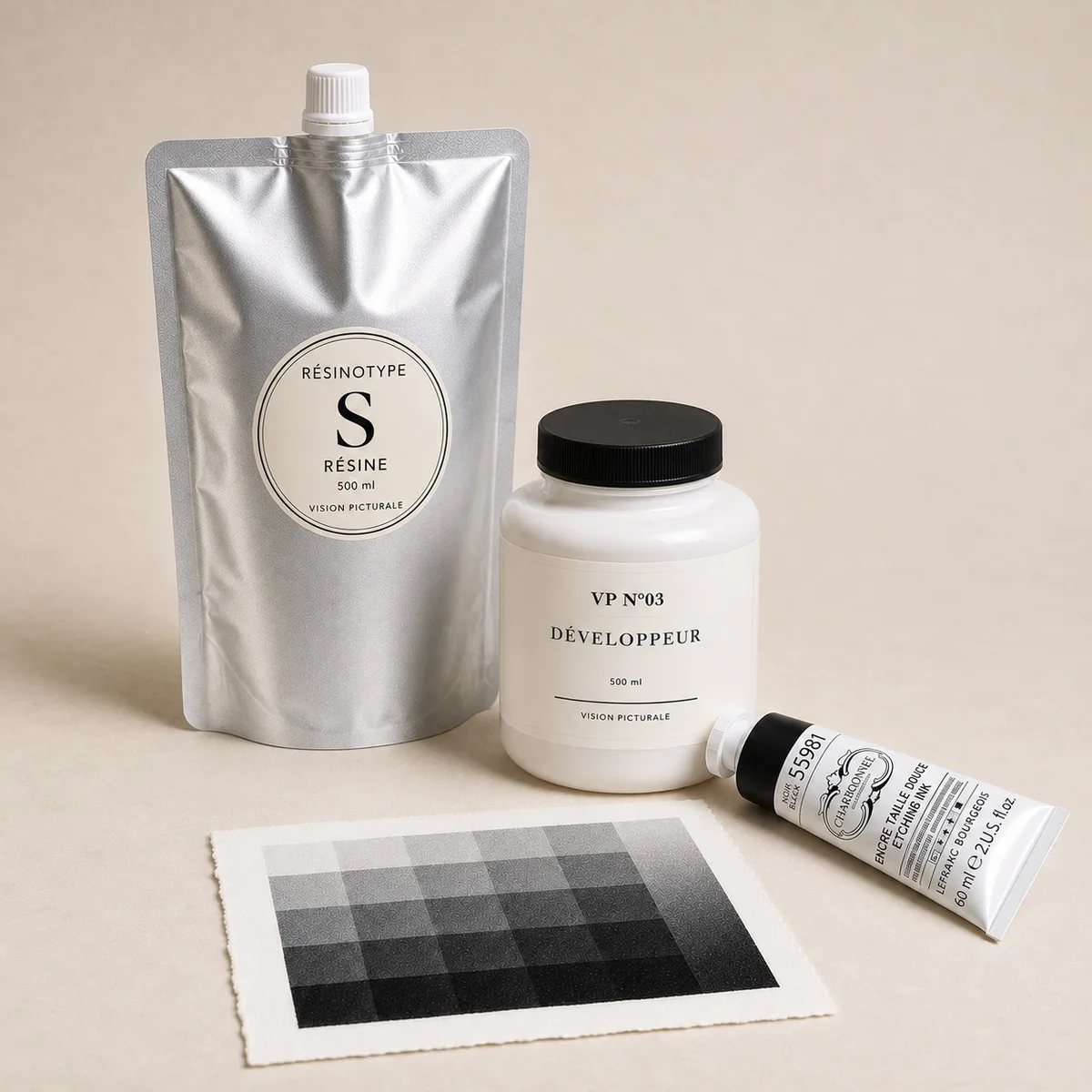
Coffret Bromoil — Huile Vivante
History of the process
Bromoil was born in London in 1907 at the instigation of C. Welborne Piper, who formalised a process for turning a gelatin-silver print into a matrix that could be inked by hand. E.J. Wall consolidated the technique in his reference work The Bromoil Process, making it one of the technical standards of the Anglo-Saxon Pictorialist movement.
French Pictorialists adopted bromoil immediately for its closeness to oil painting. Robert Demachy, the tutelary figure of French Pictorialism, produced several series now held at the Musée d'Orsay. The Royal Photographic Society Collection in London holds the major prints of the English school — evidence of the continuous dialogue between photography and the graphic arts at the turn of the twentieth century.
Our approach
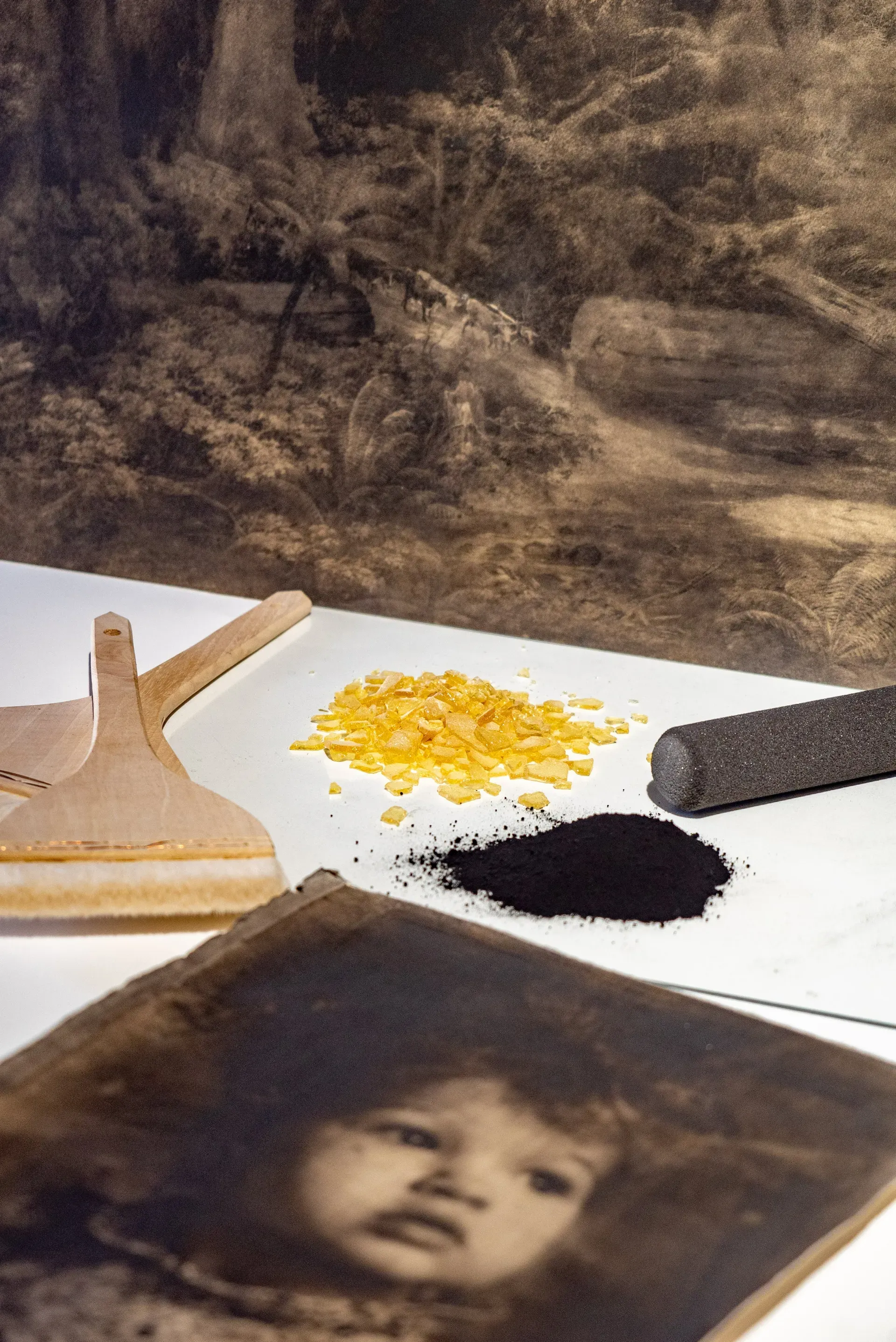
Every bromoil print made at the studio at 1 passage Dagorno is a unique piece, inked by hand by our master printers. Because the process remains editable for several hours while the roller work goes on, two prints from the same negative are never alike: gesture, pressure and ink distribution sign each copy irreducibly.
We work exclusively on 640 gsm 100% cotton satin watercolour paper, chosen for its ability to withstand the swelling of the gelatin without distortion, and for the velvety depth it gives to intaglio black. This conservation-grade paper gives the inked work a stability spanning several centuries.
Inside our studio
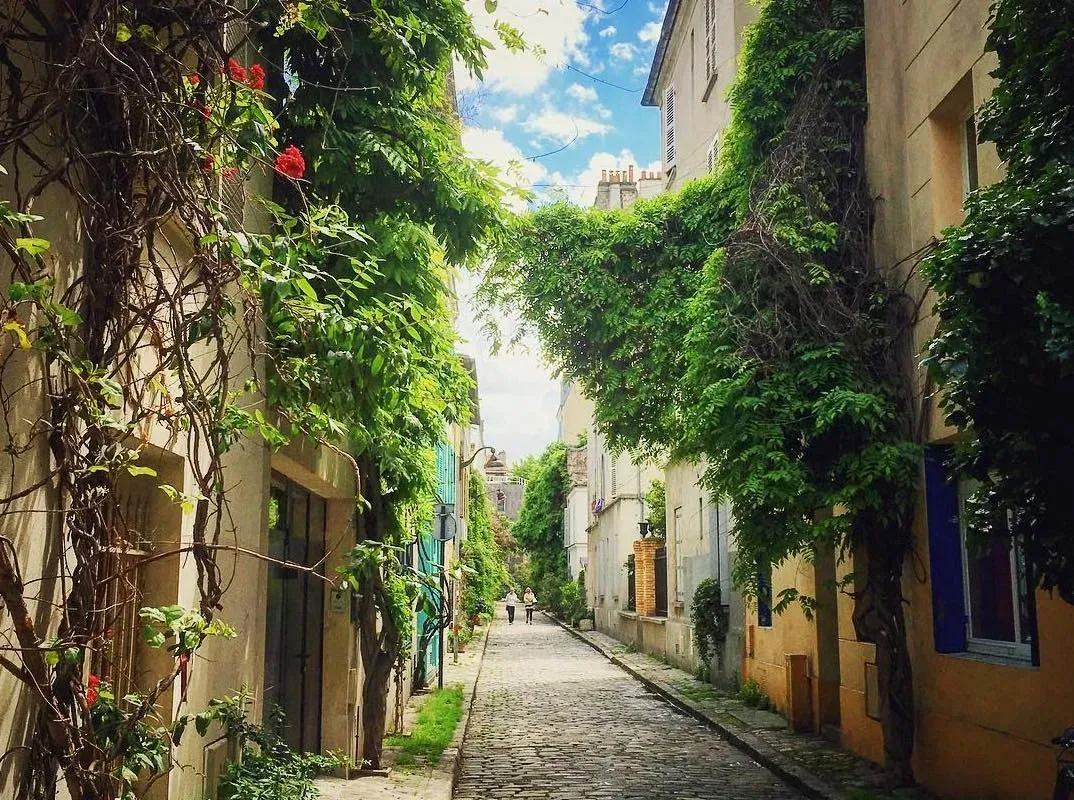
1 Passage Dagorno, Paris 20e. Each print is hand-crafted by Tristan Sidem and Raphaël Lebas de Lacour, using Vision Picturale's reformulated non-toxic chemistry. Limited edition, signed and numbered.
Commission this print
- Hand-printed and signed by Tristan Sidem & Raphaël Lebas de Lacour
- Reformulated non-toxic chemistry (Vision Picturale recipes)
- Limited edition, numbered, certificate of authenticity
- 1 Passage Dagorno studio, Paris 20e
- Delivery 3 to 5 weeks · ships worldwide from France
Formats and prices
- ProcédéBromoil
- Coquille44 × 56 cm200 €
- Jésus56 × 76 cm400 €
Firm prices: they follow from the procédé and the paper format, as on our Process pages. 100% cotton paper, 640 gsm, deckled edges. Which formats are offered depends on the resolution of the reference file we hold for this work.
Contemporary print after a work in the public domain (CPI L.123-1, 70 years post-mortem). Hand-crafted reinterpretation by Maison Picturale's master printers — this is not an original vintage by the master. The mention 'after [Master]' is systematic on the print and on the certificate of authenticity.